 By nguyentiendung24101994
 Ever caught a glimpse of your fingernails and noticed subtle lines running down them, leaving you wondering what they’re trying to tell you? You’re not alone. Those seemingly innocent ridges often spark a quiet worry, making you question if your body is trying to communicate something important about your well-being. It’s a common concern, but here’s the powerful truth: understanding these nail markings isn’t just about curiosity—it’s about empowering you with simple, effective strategies for better nail care and overall health. By the time you finish reading, you’ll have complete clarity on what those lines likely signify and discover actionable steps you can implement today for noticeably healthier, stronger nails.
Understanding the Different Types of Nail Lines
Your fingernails are far more than just a canvas for your favorite polish; they’re intricate windows offering subtle yet significant clues into your body’s daily operations. The various lines and textures you might observe on them typically fall into two main categories: vertical and horizontal ridges, each with its own story to tell.
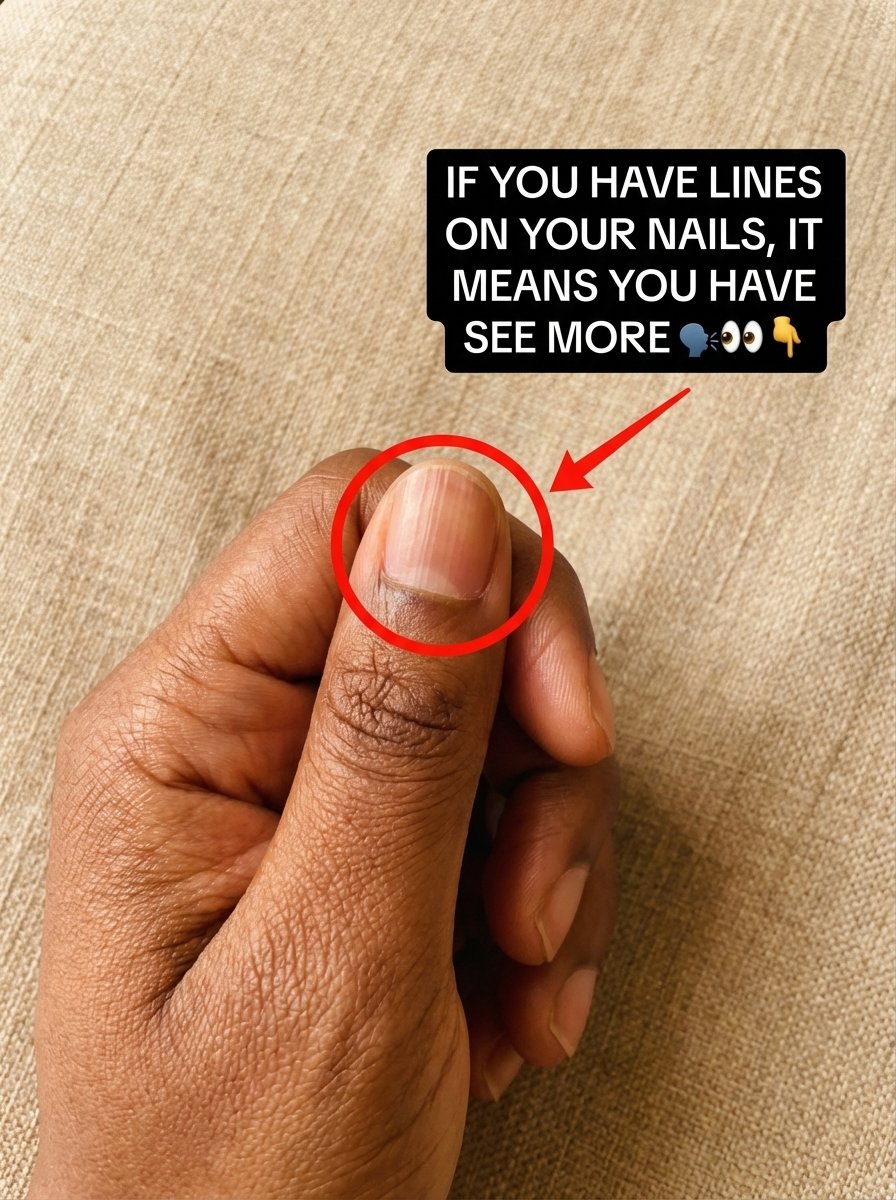
Vertical ridges, medically referred to as longitudinal striations, are those fine lines that extend from the base of your nail, near the cuticle, all the way to its tip. These are incredibly common, with most adults noticing them at some point. Scientific studies indicate that as we mature, the natural process of how our nail cells are produced and aligned shifts, often resulting in these subtle lines becoming more pronounced over the years.
In contrast, horizontal ridges, famously known as Beau’s lines, present as distinct grooves or indentations that span the entire width of your nail plate. These unique markings typically form when the nail’s growth is temporarily interrupted or slowed down, usually in response to some form of physiological stress impacting the nail matrix—the vital, living tissue underneath your cuticle responsible for generating new nail cells.
To help you quickly differentiate between these two distinct types of nail lines, here’s a straightforward guide:
- Vertical Ridges: Thin lines running lengthwise; become more noticeable with age; often affect several nails at once.
- Horizontal Ridges (Beau’s lines): Deeper grooves running side to side; may appear after significant health events or trauma.
While vertical lines frequently make their first appearance on your thumbnails or index fingers, it’s important to remember they can manifest on any nail. The critical factor in interpreting these signs lies in observing their direction and, crucially, the timing of their appearance, which can help you discern between benign, normal changes and those that might warrant a bit more attention.
Why Do Vertical Nail Ridges Happen? Common Causes
If you’re noticing those vertical lines on your nails, the most frequent and usually harmless explanation is simply the natural aging process. Much like our skin develops wrinkles and fine lines over time, our nails also experience subtle changes in how their cells are produced and align. Leading experts consistently reassure us that for the vast majority of individuals, this is a completely normal aspect of getting older and rarely indicates a serious underlying health concern.
However, it’s worth noting that several everyday factors can either contribute to the formation of these lines or make existing ones appear more pronounced. Here’s a closer look at what frequently plays a role:
- Frequent exposure to water and harsh soaps that strip moisture from the nail plate.
- Contact with chemicals in cleaning products or nail polish removers.
- Genetic predisposition to drier, more brittle nails.
Occasionally, vertical ridges can also be linked to specific nutritional deficiencies. Clinical observations suggest that an insufficient intake of vital nutrients, such as protein or iron, can indeed impact the overall texture and strength of your nails. Furthermore, certain skin conditions like eczema or severe dryness can significantly affect the health of the nail bed and surrounding area, potentially leading to more noticeable ridges.
Ultimately, for the vast majority of individuals, these vertical lines are not a cause for alarm. Instead, they simply signify the natural wear and tear of daily life and the gentle march of time, offering a subtle, visible record on your fingertips rather than a critical health warning.
When Horizontal Lines Might Mean Something More
Conversely, horizontal ridges, or Beau’s lines, often demand a more attentive glance because they distinctly indicate a temporary interruption or significant slowdown in your nail’s growth cycle. This pause can be triggered by various factors, including a high fever, a serious illness, major surgical procedures, periods of intense emotional or physical stress, or even prolonged nutritional deficiencies. What makes them particularly intriguing is that, unlike vertical ridges which integrate gradually, horizontal lines serve as a precise timestamp, marking a specific past event.
Given that fingernails generally grow at a rate of approximately 3 to 4 millimeters each month, the exact placement of these horizontal lines can actually offer a fascinating, albeit rough, estimate of when the underlying triggering event occurred—typically a few months before you spot them. When these distinct grooves appear consistently at similar positions across several of your nails, it strongly suggests a systemic, body-wide experience rather than isolated, localized trauma.
While it’s true that not every instance of horizontal lines is a cause for serious alarm, the sudden appearance of multiple such lines, especially when coupled with other noticeable changes—such as an unusual nail color, increased brittleness, or small indentations (pitting)—definitely warrants closer attention. Essentially, your nails are just reflecting a momentary pause in their growth, and simply understanding this can bring significant peace of mind while simultaneously empowering you to make more informed and proactive self-care decisions.
What Your Nails Might Be Telling You About Daily Habits
It might surprise you just how much your everyday habits influence the overall appearance and health of your nails. For instance, frequently submerging your hands in water, overly aggressive filing during a manicure, or regular exposure to harsh chemical products can severely dehydrate and compromise your nail’s inherent structure, often making those existing ridges even more prominent. The good news is that even minor tweaks to your hand care routine and broader lifestyle can spark remarkable improvements in the health and smoothness of new nail growth.
Numerous dermatologists consistently highlight the profound impact that both internal and external hydration has on individuals concerned about textured nails. The fascinating, often overlooked truth is that your nails frequently serve as an accurate reflection, a tiny mirror, revealing lifestyle habits and choices you might not even realize are having a direct effect on their condition.
Simple Steps You Can Take to Support Healthier Nails
Forget about costly salon treatments or overly complicated routines; nurturing healthier nails is far simpler than you might imagine. Here are straightforward, practical tips you can effortlessly integrate into your daily life, starting immediately:
- Moisturize daily — After every hand wash, apply a rich hand cream or specialized cuticle oil. Pay special attention to the cuticles to help seal in moisture and support the nail bed.
- Protect during chores — Slip on rubber gloves whenever you’re doing dishes, cleaning, or gardening to shield your nails from excessive water and harsh chemicals.
- Choose gentle manicure practices — Avoid over-filing the nail surface or using acetone-heavy removers frequently. Opt for milder, nourishing nail care products instead.
- Focus on nutrition and hydration — Eat a balanced diet including proteins, healthy fats, vitamins, and minerals from sources like leafy greens, nuts, fish, eggs, and fruits. Drink plenty of water throughout the day to keep your body—and nails—hydrated from within.
- Trim and file carefully — Keep nails at a practical length and always file in one direction to minimize splitting or further damage.
While these beneficial habits won’t instantly magically erase existing ridges—given that nails grow at a gradual pace—they are incredibly effective at promoting the growth of noticeably smoother, stronger nails over the subsequent months. Make a commitment to adopt just one or two of these tips today, and observe how your confidence in the appearance of your hands blossoms right alongside your revitalized nails.
Lifestyle Changes That Make a Difference
Moving beyond immediate nail care, it’s crucial to consider the profound impact your wider lifestyle choices have on the health of your nails. Persistent chronic stress and insufficient sleep can significantly impair cellular regeneration across your entire body, including the delicate nail matrix. Therefore, making a conscious effort to prioritize consistent, high-quality sleep and integrating effective stress management techniques—such as brief daily walks, meditation, or mindfulness practices—can dramatically boost your overall vitality, a positive change that will visibly manifest in healthier nails.
Many individuals have shared positive experiences, noting improved nail appearance after actively reducing their exposure to overly drying environments or making the switch to more gentle, natural household cleaning products. However, there’s a vital truth many people tend to overlook: patience is absolutely paramount in this journey. Given that it can take a full 4 to 6 months for a fingernail to completely renew itself, consistent and dedicated care truly delivers remarkable, lasting benefits.
Compelling research consistently demonstrates that adopting a holistic approach to supporting your body’s well-being results in nails that not only exhibit a healthier appearance but also possess enhanced strength and resilience. These seemingly minor lifestyle adjustments generate a powerful, positive ripple effect, elevating your overall sense of well-being every time you catch a glimpse of your hands.
When Should You Talk to a Professional?
While the majority of vertical nail ridges are indeed harmless, certain specific indicators suggest it’s highly advisable to seek consultation with a healthcare provider or a dermatologist. Be vigilant for the sudden emergence of numerous new ridges, the simultaneous appearance of horizontal lines across multiple nails, or any accompanying alterations in your nail’s color, thickness, shape, or inherent strength.
Additionally, pay close attention if your nails frequently split, peel, or easily separate from the nail bed. It’s also important to note any other concurrent symptoms, such as unexplained fatigue, persistent skin issues, or significant shifts in your energy levels. A qualified medical professional is best equipped to thoroughly evaluate whether there’s an underlying health factor contributing to these changes and to offer personalized, expert guidance.
Ultimately, it is always a wiser decision to seek professional reassurance and gain peace of mind rather than to dismiss or ignore potential health signals your body might be sending. Your overall health and well-being unequivocally deserve that extra layer of diligent care and attention whenever something feels out of the ordinary.
FAQ: Your Most Pressing Questions About Nail Lines, Answered
Are vertical lines on nails exclusively a sign of aging?
While vertical lines do become increasingly prevalent with age, primarily due to the natural shifts in nail growth patterns over time, they are not solely an indicator of aging. Factors such as dehydration, specific skin conditions, or even dietary habits can also play a role in their appearance. Fortunately, in the vast majority of instances, these lines are entirely benign and merely represent a normal aspect of your body’s progression through life.
Is it possible to completely eliminate existing nail ridges?
Since existing ridges are an integral part of the already-formed nail plate, they won’t disappear instantaneously. Nevertheless, by consistently practicing diligent moisturizing, protecting your nails from damage, and adopting overall healthy lifestyle habits, you can significantly encourage new nail growth to emerge smoother and with less pronounced ridging over time, as your nails undergo their natural renewal process.
Should horizontal nail lines always prompt a visit to the doctor?
It is definitely advisable to bring horizontal nail lines to the attention of your doctor, especially if they appear suddenly or are noticeable across several nails simultaneously. While these lines can often signify a past period of physical stress or illness experienced by the body, only a qualified medical professional possesses the expertise to accurately assess their specific cause and effectively rule out any potential underlying health concerns.
Final Thoughts
Initially, spotting lines on your nails can certainly trigger a moment of concern, yet the reassuring truth is that they are frequently a normal, harmless reflection of your life’s journey rather than an alarming health indicator. By empowering yourself with the knowledge to differentiate between the various types of nail ridges, embracing supportive daily care habits, and understanding precisely when to seek expert professional advice, you can approach your nail health with significantly greater confidence and a profound reduction in anxiety.
Why not take one simple, immediate action today? Perhaps apply a nourishing moisturizer to your hands and nails, or simply pour yourself a revitalizing glass of water. These small, conscious choices accumulate into substantial benefits, enhancing not only the health of your nails but also your overall sense of well-being. Your hands are your constant companions, guiding you through every moment—so extend them the gentle, consistent attention they truly deserve, and you’ll undoubtedly observe a positive transformation that extends far beyond mere aesthetics.
Disclaimer: This article is for informational and educational purposes only. It is not a substitute for professional medical advice, diagnosis, or treatment. If you notice concerning changes in your nails or have health questions, please consult a qualified healthcare provider for personalized guidance.