 By nguyentiendung24101994
 Imagine getting your mammogram results, only to discover a term that leaves you with more questions than answers: ‘dense breast tissue.’ If you’re one of the over 40% of women facing this reality, you might be wondering if your standard screenings are truly protecting you. The unsettling truth is, dense breasts can hide potential issues, making early detection a significant challenge. But don’t panic—groundbreaking new research and advanced screening options are revolutionizing how we approach breast health, offering clearer pathways to peace of mind and potentially lifesaving early detection. By the end of this article, you’ll have a clear, actionable roadmap to navigate your options and take control of your breast health journey.
What Exactly Is Dense Breast Tissue—and Why Does It Matter?
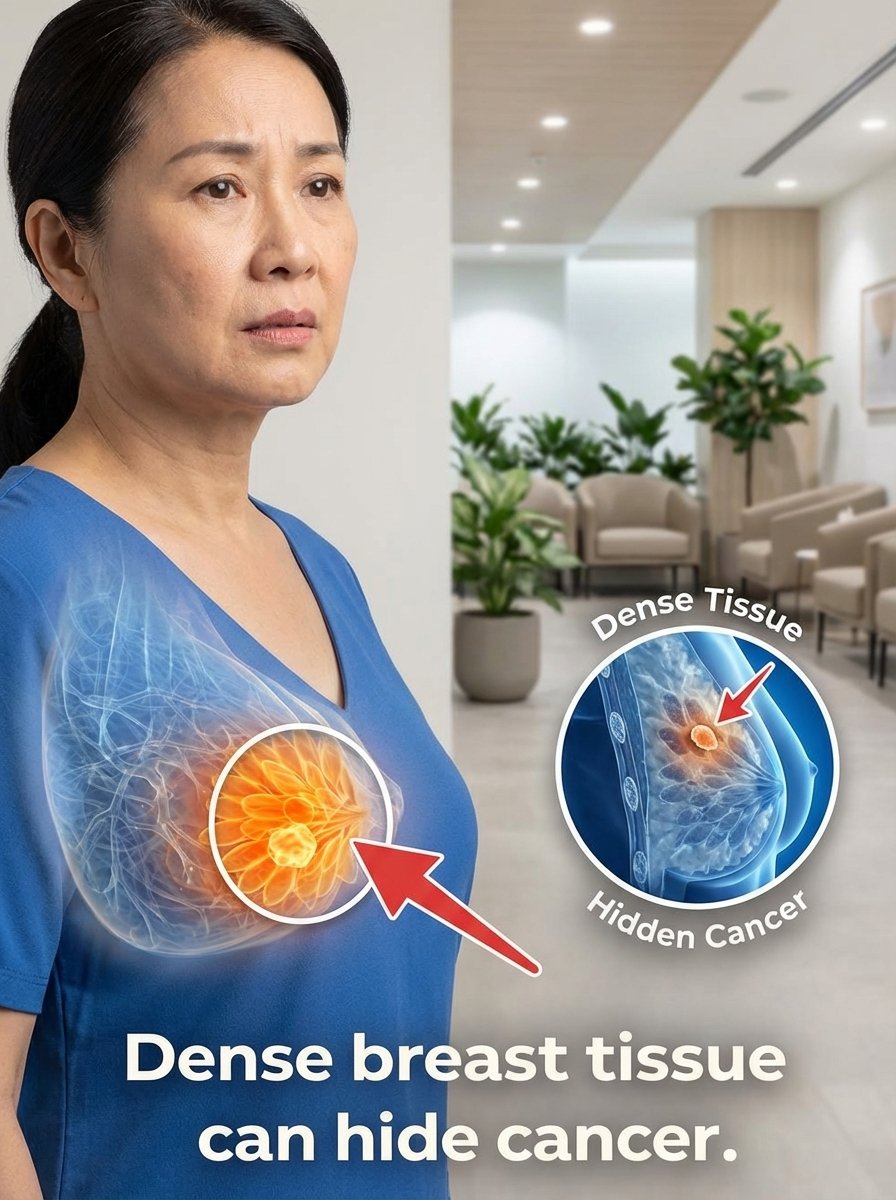
So, what exactly does ‘dense breast tissue’ mean for your body? Simply put, it describes breasts that contain a higher proportion of fibrous and glandular tissue compared to fatty tissue. This distinction is crucial because, on a traditional mammogram, both dense tissue and potential cancerous growths show up as white areas. This unfortunate visual overlap creates a ‘masking’ effect, making it incredibly challenging for radiologists to differentiate between normal dense tissue and potentially concerning abnormalities.
However, the implications extend beyond just imaging challenges. Research consistently indicates that women with dense breasts carry a higher relative risk of developing breast cancer. For instance, comprehensive meta-analyses and extensive cohort reviews reveal that individuals with extremely dense breasts might face approximately a two-fold increased risk when compared to those with scattered density. While this represents a modest elevation on its own, it’s an important factor to consider in your overall health assessment.
It’s vital to remember a critical point: having dense breasts does not automatically mean you will develop breast cancer. Numerous other factors, including family history, age, and lifestyle choices, significantly influence your overall risk profile. Yet, the statistic that resonates with so many women is staggering: roughly 40-50% of women over 40 are categorized as having dense breasts, falling into either the heterogeneously dense or extremely dense classifications on the BI-RADS scale, the standard radiologists use.
How Dense Breasts Affect Your Screening Experience
While standard 2D mammograms are still considered the foundational gold standard for breast cancer screening—proven to significantly reduce mortality over time—their effectiveness can be compromised in dense breast tissue. The sensitivity of these screenings decreases, meaning certain subtle changes or early signs of cancer might not appear as clearly as they would in breasts with less density.
But here’s the reassuring news you’ve been hoping for: recent advancements, including federal mandates for density reporting in mammogram results, ensure that you are now informed about your breast density much sooner. This transparency empowers you. However, for many women, the crucial question remains: is a standard mammogram truly sufficient, or do I need additional screening?
Growing research strongly suggests that supplemental screening options should be considered for specific women with dense breasts, particularly when additional risk factors are identified. Two significant recent studies have provided invaluable insights into this area. A large-scale randomized trial, for instance, meticulously compared various screening methods—including abbreviated breast MRI, contrast-enhanced mammography, and automated breast ultrasound—in women with dense breasts who had previously received a negative mammogram. The findings were compelling: contrast-enhanced techniques demonstrated superior detection rates for early-stage cancers compared to ultrasound alone.
Furthermore, another pivotal study revealed that integrating molecular breast imaging with 3D mammography (also known as tomosynthesis) effectively doubled the cancer detection rates in dense tissue when compared to using either method in isolation. These groundbreaking results underscore a vital point: for certain individuals, incorporating an additional layer of screening could lead to earlier detection of abnormalities. However, it’s crucial to understand that this isn’t a universal recommendation; a personalized approach is key.
Your Risk Picture: Dense Breasts + Other Factors
It’s essential to view breast density as just one critical piece within your broader health risk puzzle. To help you better understand its place, here’s a straightforward comparison of breast density categories and their implications:
- Low density (predominantly fatty): These breasts have a minimal masking effect, allowing mammograms to perform with very high accuracy.
- Scattered density: A common finding, this level of density has only a modest impact on detection capabilities.
- Heterogeneously dense: Characterized by more significant tissue overlap, women in this category may benefit from a detailed discussion with their doctor about additional screening options.
- Extremely dense: Representing the highest masking effect and the greatest relative risk increase, this is often the category where supplemental imaging options become most crucial for enhanced detection.
Beyond density, other significant factors influence your personal risk assessment, including your family history or genetic predispositions, the age you had your first period, the timing of menopause, and important lifestyle choices such as maintaining a healthy weight and moderating alcohol consumption. Powerful tools like the Breast Cancer Risk Assessment Tool from the National Cancer Institute or the Tyrer-Cuzick model can provide a more precise estimate of your individual lifetime risk—be sure to discuss these calculations with your doctor.
Yet, here’s the truly empowering takeaway that can bring genuine relief: gaining knowledge transforms worry into decisive action. Your breast density alone does not dictate your future health outcomes. Instead, it simply signals that your breast cancer screening strategy might require a more personalized and proactive approach.
Practical Steps: What You Can Do Right Now
True empowerment begins with taking concrete action. To help you navigate this important aspect of your health, here’s an immediate, step-by-step guide to move forward:
- Carefully review your most recent mammogram report. Specifically, locate your breast density category (typically classified as A, B, C, or D) and any associated notification language. If your report indicates C (heterogeneously dense) or D (extremely dense), make a clear note of it.
- Initiate an open and honest conversation with your healthcare provider. Express your concerns directly and ask, “Considering my breast density and my overall risk profile, do you recommend we explore supplemental screening options?” Feel free to mention the latest research on advanced methods like abbreviated MRI or contrast-enhanced mammography.
- Familiarize yourself with the various screening options available beyond a conventional mammogram:
- 3D mammography (Digital Breast Tomosynthesis): This advanced imaging technique is frequently recommended because it significantly enhances cancer detection rates in dense breasts for a substantial number of women, offering clearer views than 2D mammograms.
- Automated whole-breast ultrasound (ABUS): This method involves no radiation and has the capability to identify additional cancers that might be missed by mammography, though it can sometimes result in a higher rate of follow-up appointments for benign findings.
- Abbreviated breast MRI (AB-MRI): Known for its exceptional sensitivity in detecting early-stage cancers, AB-MRI is often the preferred choice for women identified as having a higher risk profile.
- Contrast-enhanced mammography (CEM): This innovative method is rapidly gaining recognition as a robust alternative, demonstrating promising detection rates by highlighting areas of increased blood flow, which can indicate cancerous activity.
- Commit to a consistent screening schedule. Adhere to established guidelines—most medical professionals advise beginning annual mammograms between ages 40-45, or even earlier if your personal risk factors are elevated.
- Incorporate supportive, healthy lifestyle habits. While these practices won’t alter your breast density, maintaining physical activity, adopting a nutritious diet, and moderating alcohol intake are all crucial steps that contribute significantly to your overall breast health and well-being.
This clear and actionable plan is designed to empower you, placing you firmly in control of your breast health journey without feeling overwhelmed.
Why These New Studies Matter for You
The two pivotal studies we discussed earlier offer crucial clarification: supplemental breast cancer screening isn’t a blanket requirement for every woman diagnosed with dense breasts. For those at average risk, standard mammograms—particularly advanced 3D mammography—are often perfectly sufficient. However, if your healthcare provider identifies you as having a higher overall risk or extremely dense breast tissue, then specialized tools such as abbreviated MRI or contrast-enhanced mammography demonstrate significant potential in detecting smaller, earlier-stage cancers, offering a vital advantage.
This carefully balanced approach intelligently prevents unnecessary tests while simultaneously providing enhanced reassurance precisely where it’s most needed. It underscores a philosophy of personalized screening tailored to your unique profile, rather than inciting panic. And for everyday women, this nuanced, proactive understanding is truly empowering.
Wrapping It Up: Take Charge of Your Screening Journey
In conclusion, while dense breast tissue is a prevalent condition that modestly increases relative risk and can complicate the effectiveness of standard mammograms, it no longer needs to leave you feeling uncertain or uninformed. Thanks to improved reporting regulations and groundbreaking new research into supplemental options like abbreviated MRI and contrast-enhanced mammography, women now possess an unprecedented array of tools to collaborate with their doctors in developing a personalized and highly effective screening strategy.
So, what’s the most crucial takeaway? Remain actively informed, maintain open and consistent communication with your healthcare team, and steadfastly prioritize your regular check-ups. Remember, early awareness is not just a phrase—it genuinely saves lives.
Your Top Questions About Dense Breasts, Answered!
Q: Does a diagnosis of dense breasts automatically classify me as high-risk for breast cancer?
A: Not necessarily. While breast density does modestly increase your relative risk (with some studies indicating a 1.7- to 2-fold increase compared to women with low density), your overall lifetime risk is influenced by numerous interconnected factors. It’s important to remember that the vast majority of women with dense breasts will never develop breast cancer.
Q: Is it a universal recommendation for every woman with dense breasts to undergo additional tests, such as an MRI?
A: Not always. Current guidelines emphasize the importance of discussing supplemental screening options based on your comprehensive individual risk profile. For women at average risk, mammograms remain the primary screening tool; however, additional tests are typically reserved for those with a higher assessed risk or extremely dense breast tissue.
Q: How can I confirm whether my mammogram included advanced 3D imaging (tomosynthesis)?
A: The easiest way is to review your mammogram report carefully or directly contact your imaging center. Many modern facilities have adopted tomosynthesis as their standard practice, recognizing its particular benefit for women with dense breasts due to its enhanced clarity.
Crucial Medical Disclaimer: Please be advised that the content presented in this article is intended solely for informational purposes and should never be considered a substitute for personalized professional medical advice. Always seek the guidance of your qualified healthcare provider for specific recommendations concerning breast cancer screening or any other health-related questions or concerns you may have. Be aware that screening guidelines can differ, and all health decisions should always be made in direct consultation and collaboration with your doctor.