 By nguyentiendung24101994
 Are you in your late 30s, 40s, or early 50s and feeling… fundamentally different? Like your body is sending you signals you can’t quite decipher, leaving you exhausted, moody, or simply not yourself? What if these confusing changes aren’t just stress or aging, but crucial messages that your body is entering a natural, powerful new phase: perimenopause? This transition can quietly begin to disrupt everything from your sleep and intimacy to your work focus and self-confidence, transforming what should be a vibrant stage of life into one riddled with frustration and self-doubt. The good news? These are often the earliest indications of perimenopause, and recognizing them early can put you firmly back in the driver’s seat. Plus, there’s one particular sign that often takes women completely by surprise, and the practical advice shared later could help you reclaim your vitality sooner than you think.
Decoding Perimenopause: What It Is and Why Your Body Starts Changing
Perimenopause is essentially the transitional period leading up to menopause, characterized by wild, unpredictable swings in your hormone levels, particularly estrogen and progesterone. For some women, this phase can kick off surprisingly early, even in their mid-30s, and it can extend for as long as ten years. As your ovaries gradually reduce their estrogen production, this hormonal shift impacts virtually every system in your body – from your menstrual cycle and brain chemistry to your overall metabolism. According to insights from the Mayo Clinic, these changes often emerge subtly, frequently catching women off guard because they don’t always manifest as the typical, well-known hot flashes. However, understanding what’s happening within your body becomes your most powerful tool.
1. Unpredictable Periods: The First Red Flag That Disrupts Your Routine
Often, the very first sign that something is shifting is your menstrual cycle itself becoming a law unto itself. You might find your periods showing up earlier or later than expected, transforming from heavy to light (or vice versa), or even surprising you with unexpected spotting between cycles. The North American Menopause Society highlights that a staggering 90% of women will encounter this during perimenopause, a direct result of increasingly erratic ovulation. But the disruption doesn’t stop there; many also report cycles that are noticeably shorter or longer, throwing their established routines into disarray. Keeping a simple log or journal of these changes can be incredibly insightful, helping you uncover patterns that strongly signal hormonal fluctuations.
2. Sudden Hot Flashes: When Your Internal Thermostat Goes Haywire
Imagine a sudden, internal inferno spreading rapidly from your chest upwards to your face, leaving you flushed and glistening with sweat for several minutes – this is the hallmark of a hot flash, and it can strike absolutely anytime. Data from the Journal of Women’s Health reveals that around 75% of women will experience these during their perimenopausal transition. What often catches women off guard is that they aren’t always the dramatic, drenching events portrayed in media; sometimes, they manifest as a subtle, pervasive warmth that, despite its mildness, can still throw off your focus and comfort.
3. Disruptive Night Sweats: Waking Up Drenched and Chilled
Unfortunately, the internal heat wave doesn’t clock out when evening arrives. Night sweats are intense episodes that can leave your pajamas and bedsheets completely saturated, often followed by an uncomfortable chill that makes achieving truly restful sleep feel like an impossible dream. The Mayo Clinic indicates that over 60% of women grapple with this symptom, frequently resulting in persistent fatigue that lingers throughout the following day. The insidious trick here is that countless women attribute their disturbed sleep solely to stress, entirely overlooking the underlying hormonal culprit.
4. Wild Mood Swings: Navigating an Emotional Rollercoaster You Didn’t Board
One moment you’re perfectly calm, the next you’re inexplicably irritable or on the verge of tears – all within minutes, and far more intensely than any premenstrual syndrome you’ve experienced before. Research from Harvard Health reveals that up to 50% of women observe these amplified mood fluctuations, directly tied to how fluctuating estrogen levels influence your brain’s serotonin. The emotional toll can be significant, putting a strain on relationships and leaving you feeling like a stranger in your own skin. However, simply grasping the root cause is the critical first step toward restoring your emotional equilibrium.
5. Crushing Fatigue: When Exhaustion Becomes Your Constant Companion
Despite logging what feels like a full night’s rest, you might wake up utterly drained, battling a profound exhaustion that makes even the simplest daily tasks feel insurmountable. A study published in the journal Menopause highlights that approximately 60% of women encounter this pervasive fatigue, which is often exacerbated by sleep disturbances stemming from other perimenopausal symptoms. Yet, this isn’t merely about feeling tired; this deep-seated fatigue can transform once-enjoyable activities into overwhelming chores, completely eroding your motivation and zest for life.
6. Vaginal Dryness: A Hidden Challenge Impacting Comfort and Intimacy
As estrogen levels continue their decline, the delicate tissues of the vagina can become thinner and less elastic, resulting in noticeable dryness, persistent itching, or discomfort during sexual activity. The American College of Obstetricians and Gynecologists estimates that a significant 40-50% of women will experience these changes once menopause sets in. This particular shift can subtly but profoundly chip away at confidence and intimacy within relationships, yet many women silently endure it, often too embarrassed to speak up and unaware that it’s a remarkably common and highly treatable symptom of this transition.
7. Stubborn Midsection Weight Gain: When Your Body Redefines Its Shape
You might find yourself gaining weight, particularly around your midsection, even if your diet and exercise routines haven’t significantly changed. This frustrating phenomenon occurs as your metabolism naturally decelerates, and fat distribution tends to shift. Research published in Obesity Reviews connects this specific abdominal weight gain to declining estrogen levels in over 50% of women navigating this transitional phase. What makes it so disheartening is how stubborn it feels, seemingly resistant to your usual efforts, yet even minor strategic adjustments can make a real difference in rebalancing your body.
8. Changes in Hair and Skin: Visible Shifts That Impact Confidence
Your hair might start feeling noticeably finer, or you could observe more strands falling out than usual, while your skin begins to lose its natural moisture, feeling tighter, drier, or even flaky. The British Journal of Dermatology indicates that these visible changes impact up to 40% of women, primarily due to the hormonal influence on oil production and hair follicles. Such alterations to your appearance can understandably deal a heavy blow to your self-esteem, but the good news is that they frequently respond well to specific, targeted care strategies.
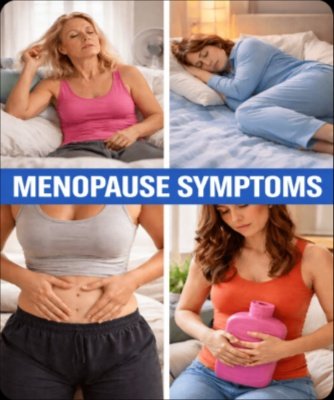
9. Persistent Sleep Disturbances: The Hidden Thief of Your Rest and Well-being
Waking up frequently throughout the night, wrestling with racing thoughts, or simply struggling to fall asleep in the first place can significantly amplify all your other perimenopausal symptoms. The Sleep Foundation reveals that a staggering 60% of women in this life stage battle with disrupted sleep, frequently exacerbated by night sweats or heightened anxiety. These pervasive sleep problems create a relentless, vicious cycle that intensifies fatigue and destabilizes mood, making them one of the most profoundly impactful, yet frequently underestimated, signs of this transition.
Here’s a snapshot of the 9 key signs to watch for (keep this handy!):
- Unpredictable menstrual cycles
- Sudden waves of hot flashes
- Drenching night sweats
- Intensified mood swings
- Relentless, unexplained fatigue
- Increased vaginal dryness
- Stubborn weight gain around the abdomen
- Noticeable hair thinning and dry skin
- Frequent sleep disruptions
Empowering Steps: Practical Actions You Can Take Right Now
Here’s the truly empowering news: you don’t have to simply endure these changes. Instead, you can proactively take control. Below are actionable, medically-informed steps that countless women have found incredibly beneficial in managing their perimenopausal journey:
- Start a symptom journal – Grab a notebook or download a free app to meticulously log your menstrual cycles, mood fluctuations, and hot flash occurrences for at least two weeks. This detailed data will be invaluable for your healthcare provider to quickly identify patterns and offer precise guidance.
- Optimize your sleep environment – Make your bedroom a sanctuary for rest: ensure it’s cool (ideally around 65°F or 18°C), power down all screens well before bedtime, and establish a consistent, calming sleep routine.
- Incorporate daily movement – Aim for at least 30 minutes of moderate physical activity most days, such as a brisk walk, cycling, or yoga. Studies consistently show that regular exercise significantly supports mood stability, healthy weight management, and crucial bone density.
- Nourish your body for hormonal health – Shift your focus towards a diet rich in whole foods, prioritizing sources of calcium, vitamin D, fiber, and healthy fats. Remember to stay well-hydrated. If you notice caffeine or alcohol worsen your symptoms, consider reducing your intake.
- Seek professional medical advice – Don’t hesitate to schedule a comprehensive check-up with your doctor. This is essential to rule out any other potential health conditions and to explore personalized treatment options that are specifically tailored to your unique needs.
- Integrate stress-reduction techniques – Dedicate a few minutes each day to mindfulness practices, deep-breathing exercises, or meditation. These simple yet powerful techniques can remarkably soothe mood swings and significantly enhance the quality of your sleep.
You might be surprised at how quickly these seemingly minor adjustments can begin to create a noticeable, positive impact on your well-being, often within just a few weeks.
Final Thoughts: Empowering Yourself Through This Transformative Chapter
By understanding and acknowledging these nine unexpected signals of perimenopause, you’re not just gaining knowledge; you’re transforming confusion into empowered confidence. Remember, perimenopause is a perfectly natural and healthy phase of life, not an illness, and countless women navigate it to emerge feeling more resilient, self-aware, and deeply connected to their bodies. Embracing early awareness, making thoughtful lifestyle adjustments, and maintaining honest, open dialogues with your healthcare provider are the keys to smoothing this journey and truly thriving in this exciting new chapter.
Your Top Questions About Perimenopause, Answered
1. How can I tell if my symptoms are due to perimenopause or simply stress?
While stress can certainly mimic some symptoms, perimenopause typically presents with a distinct cluster of signs, such as consistently irregular periods combined with hot flashes or significant sleep disturbances. If these symptoms are persistent and align with the typical age range for perimenopause, discussing your symptom journal and potentially a blood test with your doctor can provide a clear diagnosis.
2. Are these perimenopausal symptoms permanent?
The good news is that for most women, the majority of these symptoms will gradually diminish or resolve entirely once they reach menopause (officially defined as 12 consecutive months without a menstrual period). While the perimenopausal transition itself can span several years, many women ultimately report feeling more balanced, energetic, and stable in the post-menopausal phase.
3. At what point should I consult a doctor regarding my perimenopause symptoms?
It’s always wise to reach out to your healthcare provider if your symptoms are significantly disrupting your daily life, if you’re experiencing unusually heavy bleeding, or if you notice new and concerning issues like heart palpitations, overwhelming anxiety, or any other unexplained changes. Your doctor can help rule out other potential health conditions and provide tailored, professional guidance specific to your situation.
Important Disclaimer: Please be aware that the information provided in this article is intended strictly for general informational purposes. It should not be considered a substitute for professional medical advice, diagnosis, or treatment. Always prioritize consulting with your trusted healthcare provider before implementing any changes to your health regimen, starting new supplements, or making decisions about your medical care. Every individual’s experience is unique, and only a qualified medical professional can offer advice specifically tailored to your personal health circumstances.