 By nguyentiendung24101994
 Ever stared in the mirror, baffled by those tiny, persistent white bumps clinging to your cheeks, nose, or under-eye area? You’ve tried every cleanser, every spot treatment, yet they stubbornly refuse to budge, making your skin look textured and less-than-perfect. This isn’t just frustrating; it’s a common skincare enigma, especially when your usual acne remedies prove utterly useless against them. These perplexing little pearls are known as milia, and while they pose no health risk, they can feel like an unending cosmetic struggle. The exciting news is that achieving that coveted smooth complexion is entirely possible! By unlocking the secrets behind what milia truly are and adopting gentle, expert-approved strategies, you can transform your skin safely and effectively. Keep reading, because I’m about to reveal one surprising daily habit most people completely miss that could be silently sabotaging your efforts—and the easy tweak that often delivers dramatic results.
What Exactly Are Milia?
So, what exactly are these mysterious intruders? Milia are essentially tiny, keratin-filled cysts that develop just beneath the outermost layer of your skin. It’s crucial to understand they are fundamentally different from acne; they don’t originate from bacteria or oil clogging open pores. Instead, these distinctive white or yellowish bumps appear when dead skin cells and a protein called keratin become trapped in minuscule pockets within the skin. When you touch them, they feel noticeably firm and typically measure only a millimeter or two in diameter.
While dermatologists encounter milia across all age groups, they tend to be particularly prevalent in newborns and adults, especially those who favor heavy, rich facial creams or have a history of significant sun exposure. Here’s a huge relief: they are absolutely not an indicator of poor hygiene or any serious underlying health problem. Rather, they’re simply your skin’s unique way of responding to this trapped cellular material.
Why Do Milia Appear? Common Triggers
Here’s a critical insight many people overlook: milia frequently emerge when your skin’s natural exfoliation and shedding process either decelerates or becomes obstructed. A range of common, daily factors can play a significant role in their formation.
- Using heavy, “occlusive” moisturizers or facial oils that create a barrier on the skin’s surface, inadvertently trapping dead cells underneath.
- Extensive or prolonged sun damage, which can lead to a thickening of the skin’s outermost layer.
- Specific skincare ingredients or certain medications that interfere with healthy cell turnover.
- Minor skin injuries or trauma resulting from cosmetic procedures like laser treatments or dermabrasion.
Research indicates a strong link between a history of extensive sun exposure and the increased likelihood of developing milia in adults, primarily because harmful UV rays can thicken the epidermis and impede the skin’s natural exfoliation cycle. However, here’s where a major misconception lies: many believe aggressive scrubbing or harsh physical exfoliants will help, but these actions actually worsen the issue by irritating the skin and provoking even more keratin buildup.
Milia vs. Other Skin Bumps: How to Tell the Difference
It’s incredibly common to confuse milia with other skin blemishes like whiteheads or closed comedones, but distinguishing between them is absolutely crucial for effective treatment. To help clarify, here’s a concise comparison:
| Feature | Milia | Whiteheads/Acne |
|---|---|---|
| Appearance | Hard, pearly white, no visible opening | Softer, often with a visible or ready-to-surface tip |
| Cause | Keratin trapped beneath the skin’s surface | Pores clogged with a mix of oil, dead skin cells, & bacteria |
| Can you pop it? | Never safely at home; requires professional extraction | Potentially, but carries significant risks of scarring & infection |
| Response to acne products | Typically shows little to no improvement | Often responds well to targeted acne treatments |
Grasping these fundamental differences is key. It will not only save you precious time and hard-earned money from investing in ineffective products but also empower you to select the precise, gentle approaches that genuinely deliver results for your skin.
The Dangers of DIY Popping and Harsh Remedies
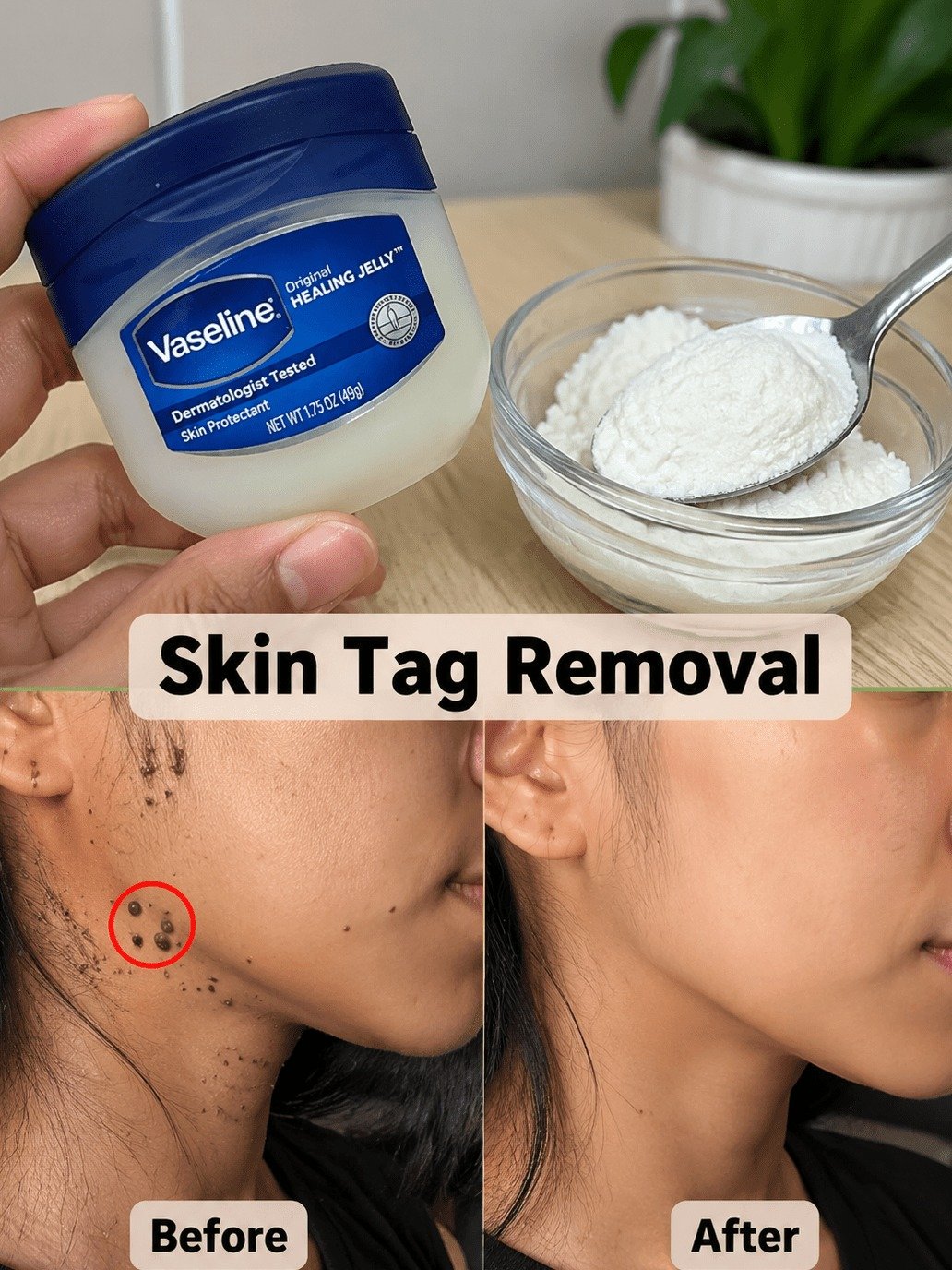
Now, here’s the crucial warning that often catches people off guard: attempting to squeeze, pick, or “lance” milia yourself at home is one of the most detrimental actions you can take for your skin. Unlike a pimple, milia lack an open pore, meaning any attempt to “pop” them will likely result in unsightly scarring, painful infection, or even trigger the formation of more milia as your skin struggles to heal. And beware of those viral TikTok “hacks”—like concocting mixtures of Vaseline and baking soda or using sharp objects—these can severely compromise your delicate skin barrier and create far more serious issues than the original bumps.
The undeniable truth is, your skin possesses incredible resilience, but it thrives on patience and appropriate care, not aggressive force or dangerous DIY methods.
Gentle At-Home Approaches That Can Help
The truly encouraging news is that you absolutely don’t need drastic measures to achieve noticeable improvement. Many individuals experience significantly smoother skin simply by implementing a few consistent, gentle adjustments to their routine. Skincare experts and dermatologists frequently advise concentrating on nurturing your skin’s inherent renewal mechanisms.
When selecting products, keep an eye out for these highly beneficial ingredients:
- Retinoids: Consider over-the-counter options like adapalene, which are excellent for accelerating healthy cell turnover.
- Alpha-Hydroxy Acids (AHAs): Gentle formulations containing glycolic or lactic acid, especially in lower concentrations, can aid in mild exfoliation.
- Non-Comedogenic Moisturizers: Opt for formulas specifically labeled “non-comedogenic” to ensure they won’t contribute to pore clogging.
- Broad-Spectrum Sunscreen: Make daily application of a broad-spectrum SPF an absolute non-negotiable part of your morning routine.
Always remember this golden rule: consistency will always triumph over intensity. Integrating these gentle solutions regularly and patiently will yield far superior and safer results compared to any harsh, aggressive treatment.
Your Step-by-Step Milia Management Routine (Actionable Tips)
Are you ready to finally reclaim your smooth skin? Here’s an actionable, straightforward 4-week plan you can integrate into your routine starting right now:
- Cleanse with Care: Wash your face gently twice daily using a mild, non-foaming cleanser. Absolutely avoid excessively hot water and any form of harsh scrubbing, which can exacerbate the issue.
- Exfoliate Intelligently: In the evenings, begin by applying a tiny, pea-sized amount of an over-the-counter retinoid like adapalene or a gentle AHA serum (like glycolic or lactic acid) about three times a week. Always follow this with a lightweight, hydrating moisturizer.
- Prioritize Daily Protection: Apply a broad-spectrum sunscreen with an SPF of 30 or higher every single morning, regardless of the weather. Remember, sun damage is a primary culprit for milia formation.
- Try a Gentle Warm Compress: For particularly stubborn milia, gently press a clean, warm (not scalding hot) washcloth onto the affected area for 5–10 minutes, a few times a week. This can help soften the skin and encourage the natural shedding process.
- Cultivate Patience: Understand that visible improvement doesn’t happen overnight. Consistent effort typically yields results within 4–8 weeks as your skin’s natural cell turnover gradually pushes out the trapped keratin cysts.
Many individuals report seeing the most significant transformation when they combine these steps with a truly surprising yet simple swap: transitioning from heavy, rich night creams to lighter, often gel-based moisturizers. This seemingly minor adjustment alone can drastically reduce the likelihood of keratin getting trapped, leading to a noticeable decrease in new milia formation for many.
Professional Treatments for Stubborn Milia
Should your dedicated at-home regimen not yield the desired results after consistent application, seeking professional assistance can safely accelerate your progress. A qualified dermatologist or a highly trained aesthetician can skillfully perform a straightforward extraction using a sterile lancet and precise, gentle pressure—an infinitely safer and more effective approach than any DIY attempt. For more extensive or persistent cases, other in-office solutions like cryotherapy or minor resurfacing procedures might be recommended.
The best part? These professional treatments are typically quick, involve minimal to no downtime, and can often deliver visibly smoother skin within just a few days.
Prevention Tips to Keep Skin Looking Smooth
Preventing milia is surprisingly straightforward once you’re armed with the right knowledge of what to avoid. Incorporating these key habits into your daily routine can significantly help in keeping those tiny bumps at bay:
- Always opt for non-comedogenic and lightweight skincare products, ideally those clearly labeled “oil-free.”
- Ensure you thoroughly remove all makeup every single night; residual product is a frequent contributor to milia formation.
- Commit to applying broad-spectrum sunscreen year-round, and remember to reapply every two hours when spending time outdoors.
- If you’re particularly prone to milia, consciously steer clear of thick, heavy creams, especially around the delicate eye area.
- Practice regular but gentle exfoliation—the key is consistency without ever overdoing it, which can irritate the skin.
By diligently adhering to these simple yet powerful guidelines, you actively support your skin’s natural renewal processes, making it far less hospitable for those frustrating, stubborn bumps to reappear.
Final Thoughts
While milia can certainly feel like an exasperating, never-ending skin challenge, rest assured they are entirely manageable with the correct understanding and a gentle, consistent approach. By truly grasping their root causes, consciously sidestepping common pitfalls, and committing to a thoughtful, nurturing skincare routine, you are well on your way to enjoying noticeably smoother, more luminous skin. Remember, the ultimate secret lies in patience and truly tuning into your skin’s needs, rather than desperately chasing after aggressive, instant solutions.
Frequently Asked Questions
Can milia go away on their own?
Indeed, many instances of milia, particularly in infants, can resolve spontaneously over several weeks or months as the skin naturally exfoliates the trapped keratin. For adults, however, gentle at-home care or professional intervention often helps to significantly expedite this process.
Is it safe to remove milia at home?
Categorically, no. Attempting to squeeze, pick, or otherwise remove milia at home carries a high risk of causing permanent scarring, leading to painful infections, or even worsening the condition. Professional extraction performed by a dermatologist is by far the safest and most effective method for stubborn bumps.
Are milia a sign of a more serious skin condition?
Almost without exception, no. Milia are benign, harmless cysts and are generally not indicative of any underlying serious health concerns. Nevertheless, if you observe sudden, widespread changes in your skin, or experience any other concerning symptoms, it is always prudent to seek advice from a qualified dermatologist.
Disclaimer
Please note: This article is intended strictly for informational purposes and should never be considered a substitute for professional medical advice. It is always crucial to consult with a qualified dermatologist or healthcare provider before embarking on any new skincare regimen or treatment, particularly if you have sensitive skin or pre-existing conditions. Individual outcomes and results may vary significantly.