 By nguyentiendung24101994
 Are you constantly battling a bloated belly and sluggish digestion, wondering if it’s just ‘normal’ to feel that way? What if that persistent discomfort, infrequent bowel movements, and the feeling of being constantly ‘full’ are actually signs of a much bigger problem lurking in your gut? When waste hardens and accumulates in your system, it doesn’t just cause minor inconvenience; it can lead to intense pressure, unexpected leakage, and a draining cycle that impacts your energy and mood. The good news is that understanding these crucial warning signs and common triggers empowers you to take control of your digestive well-being. But there’s one incredibly simple, often-overlooked daily habit that could be the key to breaking free from this cycle—and I’ll reveal exactly what it is before you finish reading.
What Are Constipation and Fecal Impaction?
Constipation occurs when your bowel movements become less frequent or significantly more challenging than usual. While most adults aim for at least three bowel movements each week, many find themselves going less often. When this happens, stools often become hard, dry, or lumpy, making them uncomfortable or even painful to pass.
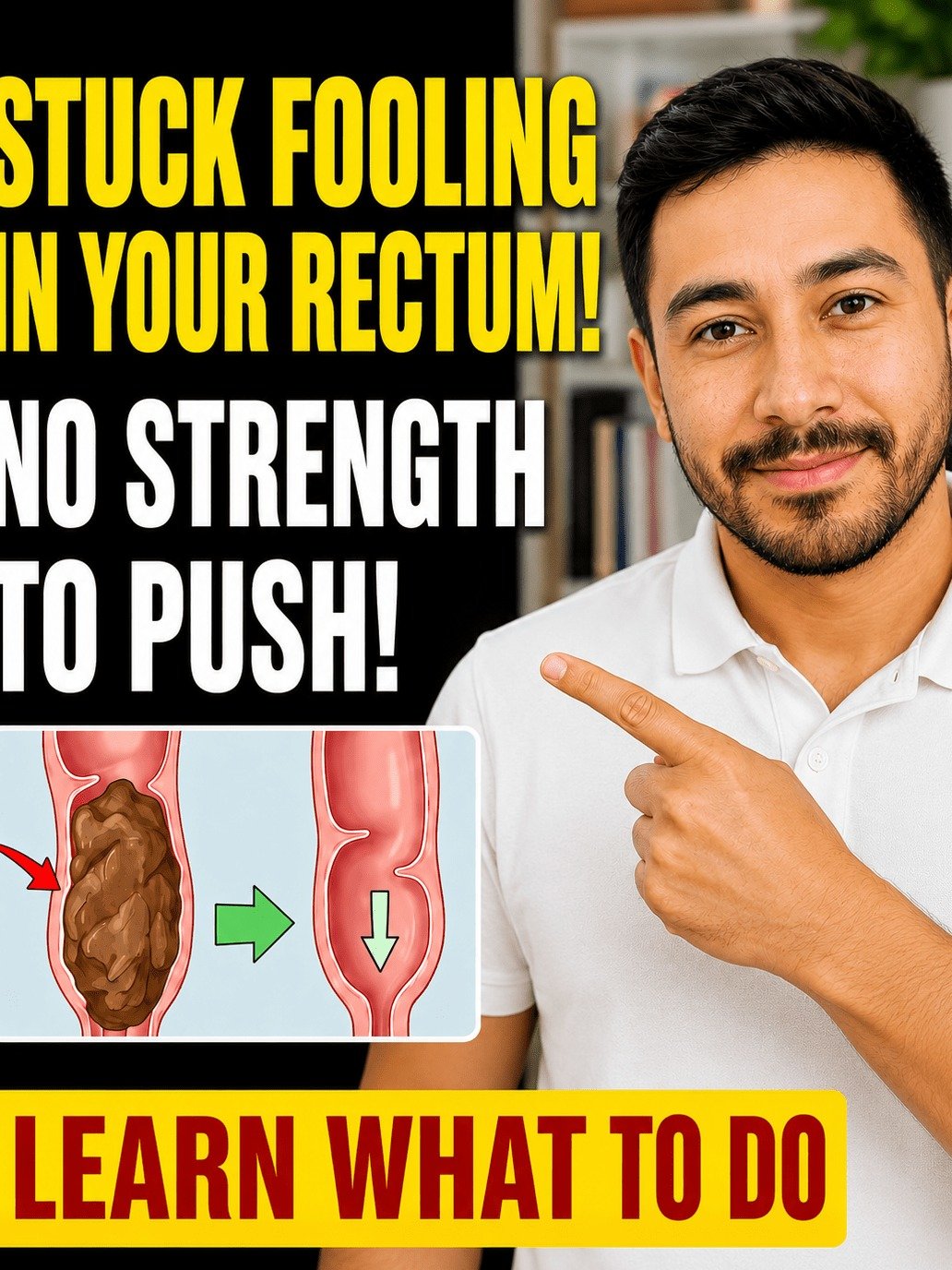
Fecal impaction represents a more severe stage of this issue. It happens when a substantial, hardened mass of stool becomes firmly lodged in the rectum or the lower part of the colon, making natural passage impossible. This buildup is typically a direct consequence of prolonged, untreated constipation rather than an abrupt occurrence. In an attempt to bypass the blockage, the body might sometimes allow liquid stool to leak around the hardened mass, which can be confusing as it might feel like diarrhea, masking the true underlying problem.
However, what many people don’t fully grasp is that both these conditions frequently stem from the same underlying issues, yet an impaction carries significantly higher risks if not addressed promptly.
Common Causes of Constipation and Fecal Buildup
A variety of everyday elements can contribute to a sluggish digestive system, setting the stage for these uncomfortable problems. Extensive research from leading health organizations consistently highlights that lifestyle choices play a pivotal role, though certain medications and existing health conditions also contribute significantly to the risk.
Here are the most frequent culprits:
- Skipping out on fiber-rich foods: An insufficient intake of fruits, vegetables, and whole grains results in harder, slower-moving stool.
- Not drinking enough water: Without adequate fluids, your colon extracts more water from waste, leading to dry, compact stools.
- A sedentary lifestyle: Prolonged periods of sitting reduce the natural muscle contractions essential for propelling stool through your digestive tract.
- Specific medications: Pain relievers like opioids, certain antidepressants, iron supplements, and some blood pressure medications can significantly slow down bowel function.
- Consistently delaying bathroom trips: Repeatedly ignoring the urge to have a bowel movement can train your body to hold waste longer than it should.
- Pre-existing health issues: Conditions such as hypothyroidism, various neurological disorders, or a history of bowel problems can elevate your risk.
The reality is, these factors rarely act in isolation. Someone with a demanding schedule who often opts for processed meals, rarely drinks water, and relies heavily on caffeine might not notice the gradual slowdown in their system until significant discomfort becomes undeniable.
Spotting the Warning Signs Early
While the symptoms of general constipation might feel familiar—like straining, hard stools, and that frustrating feeling of incomplete emptying—fecal impaction often introduces a new level of intensity that demands your immediate attention.
Be on the lookout for these common indicators of constipation:
- Fewer than three bowel movements over a week
- Stools that are hard, lumpy, or unusually dry
- Experiencing pain or significant straining during passage
- A sensation that your rectum feels blocked or obstructed
When fecal impaction begins to develop, the situation can change dramatically. You might start to experience:
- Persistent and severe abdominal bloating or cramping
- The paradoxical leakage of liquid stool (often called overflow diarrhea) around the blockage
- A constant, ineffective urge to have a bowel movement
- Reduced appetite, feelings of nausea, or even vomiting in more severe instances
- Lower back pain or noticeable changes in urinary function due to pressure on adjacent organs
The crucial distinction? Impaction frequently presents with that confusing