 By nguyentiendung24101994
 Are you tired of staring at dull skin, battling stubborn blackheads, or feeling self-conscious about rough texture in every close-up photo? It’s incredibly frustrating when pricey skincare products promise a radiant glow but often fail to deliver, or worse, leave your complexion irritated. You’ve probably scoured the internet for affordable, natural remedies that actually work to give you smoother, brighter-looking skin without breaking the bank or causing unwanted reactions. That’s precisely why a humble kitchen staple—baking soda—has become a viral sensation as a potential quick fix. But here’s the crucial detail most online tutorials conveniently forget: while baking soda offers some truly intriguing possibilities for your skin, applying it to your face carries significant risks that could cause more damage than good if you’re not absolutely careful. The truly safe, dermatologist-approved ways to incorporate it into your routine might just shock you.
Why People Are Turning to Baking Soda on Their Face
Amidst an overwhelming market filled with luxurious serums and complex multi-step routines, baking soda emerges as a surprisingly simple, budget-friendly alternative. It’s readily available in nearly every kitchen and has gained immense popularity in beauty circles as a natural method to revitalize tired or lackluster skin. If you’re constantly fighting against persistent oily patches, minor blemishes, or a dull complexion that even your best moisturizer can’t seem to revive, the appeal of such a basic ingredient is undeniable. Beyond its accessibility, countless individuals rave about its ability to provide a ‘just polished’ sensation through its gentle exfoliating action. However, despite its promising allure, truly grasping the scientific principles behind its interaction with your skin is absolutely essential to prevent potential disappointment—or, more critically, severe irritation.
The Science Behind Baking Soda and Skin
Let’s dive into the chemistry: baking soda, scientifically known as sodium bicarbonate, is inherently alkaline, boasting a pH level typically ranging from 8 to 9. In stark contrast, your skin’s natural surface thrives within a slightly acidic range, ideally between 4.5 and 5.5. This crucial acidic mantle is what forms your protective barrier, shielding against environmental aggressors and retaining vital moisture. When baking soda is applied directly, it can drastically disrupt this delicate pH balance. Studies suggest that this significant pH imbalance can compromise your skin’s ability to retain hydration and effectively defend itself against irritants. Simultaneously, its fine, abrasive texture functions as a physical exfoliant, meticulously helping to buff away dull, dead skin cells. However, here’s the critical nuance: while many users report a noticeably brighter complexion after very infrequent use, these very same properties that lend it effectiveness are also precisely what can trigger adverse reactions if applied too frequently or without proper care.
Potential Benefits of Baking Soda on Your Face
When used with extreme caution and mindfulness, numerous individuals genuinely report experiencing noticeable improvements in their skin. Among the most frequently discussed and highly praised advantages are:
- Effective Exfoliation: It works to gently slough off dull, lifeless skin cells, revealing a smoother, more vibrant complexion underneath.
- Oil Control: Individuals with oily or combination skin frequently observe a significant reduction in shine and excess oil after a careful, light application.
- Minor Antibacterial Properties: Research indicates that baking soda possesses qualities that might help diminish surface bacteria, potentially contributing to a visibly clearer skin appearance.
While these immediate effects can leave your skin feeling wonderfully refreshed and looking healthier in the short term—especially if you’ve been disappointed by other products—it’s vital to remember a key point: these are largely anecdotal, user-reported benefits. Individual results will vary dramatically, and these applications are most effective as a very occasional, supplementary treatment, never a part of your daily skincare regimen.
The Risks You Need to Know Before Trying It
Now, let’s address the elephant in the room—the critical information often glossed over in those trending online videos: baking soda is far from a benign ingredient when it comes to the delicate skin on your face. Its intensely high alkalinity can severely compromise your skin’s natural pH balance, leading to persistent dryness, noticeable redness, and a heightened sensitivity over extended periods. Furthermore, the seemingly gentle gritty texture can actually create microscopic abrasions, particularly on the more vulnerable areas of your face, resulting in an uncomfortable tight or reactive sensation. In the worst-case scenarios, it can aggressively strip away essential protective oils, leaving your skin far more susceptible to irritation, inflammation, or even exacerbated breakouts. Dermatologists consistently warn that while the initial sensation of effectiveness might be compelling, consistent or regular use can dangerously weaken your skin’s vital barrier, ultimately creating a cascade of issues far worse than the problems you were trying to solve. If your skin is inherently sensitive, already dry, or prone to conditions such as eczema, exercising extreme caution is not just advisable—it’s absolutely imperative.
However, this isn’t the complete story. Numerous skincare experts vehemently stress that the inherent risks associated with baking soda escalate dramatically with overuse or when applied in an undiluted form. This crucial distinction underscores precisely why mastering the correct, safe application methods is absolutely paramount for anyone considering this DIY treatment.
Safe Ways to Use Baking Soda on Your Face
Should you choose to cautiously experiment with baking soda, remember that moderation is not just important—it is absolutely everything. Restrict its application to a maximum of once per week, ensure it is always properly diluted, and pay extremely close attention to how your unique skin reacts. Below are three gentle, widely favored approaches that many users find significantly less irritating and more compatible with their complexion:
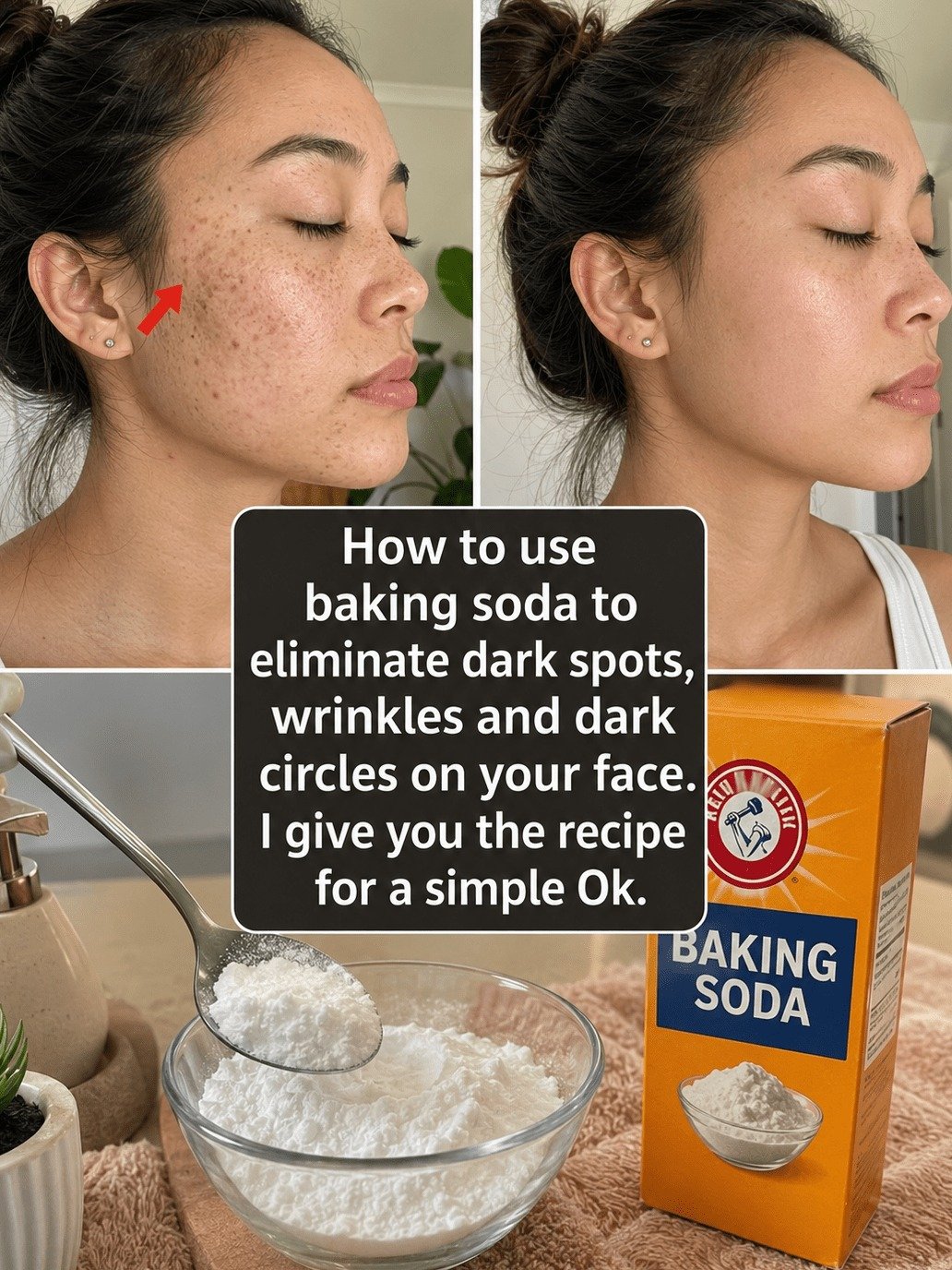
- The Gentle Baking Soda Paste: Begin by combining 1 teaspoon of baking soda with 2–3 teaspoons of water (or, for an even milder approach, your preferred gentle facial cleanser) until a smooth, workable paste forms. Using very light, circular motions, apply this mixture to your face for no longer than one minute, meticulously avoiding the delicate eye area, then rinse completely with water.
- Soothing Honey & Baking Soda Blend: Create a calming mask by mixing 1 teaspoon of baking soda with 1 tablespoon of raw honey. The natural properties of honey will help counteract any potential dryness, while the baking soda offers its exfoliating action. Allow this blend to sit on your skin for a brief 2–3 minutes before rinsing thoroughly with lukewarm water.
- Moisturizing Oil-Based Treatment (Ideal for Dry Skin): For those with drier skin types, try blending 1 teaspoon of baking soda with 1 teaspoon of a nourishing carrier oil, such as jojoba or almond oil. Gently massage this mixture onto your face, then rinse meticulously to help retain your skin’s natural moisture barrier.
Crucially, these carefully formulated recipes are designed to significantly temper the potency of baking soda, making the mixture considerably milder and far more skin-friendly compared to applying baking soda on its own.
Golden Rules for Safe Baking Soda Use
To safeguard your skin and achieve the best possible outcomes, diligently adhere to these indispensable guidelines:
- Perform a Patch Test: Always, without exception, conduct a small patch test on a discreet area like your inner arm at least 24 hours prior to applying it to your face.
- Limit Frequency: Restrict usage to no more than once a week; applying it more frequently significantly increases the risk of irritation and damage.
- Avoid Sensitive Areas: Never apply baking soda to broken, compromised skin, or anywhere near your delicate eye area.
- Post-Exfoliation Care: Always follow up with a rich, hydrating moisturizer and diligent daily sunscreen application, as any form of exfoliation can heighten your skin’s sensitivity to the sun.
- Listen to Your Skin: Discontinue use immediately if you experience any signs of redness, stinging, excessive tingling, or general discomfort.
How Baking Soda Compares to Other Exfoliants
| Aspect | Baking Soda (DIY) | Chemical Exfoliants (AHA/BHA) | Physical Scrubs (Store-Bought) |
|---|---|---|---|
| Cost | Very low | Medium to high | Medium |
| Exfoliation Type | Physical (gritty) | Chemical (gentle dissolving) | Physical |
| Risk of Irritation | Higher if overused | Lower when matched to skin type | Varies |
| Best For | Occasional refresh | Regular use | Mild weekly exfoliation |
This insightful comparison clearly illustrates why baking soda appeals to many for its undeniable affordability. However, for sustainable, long-term skin health, gentler, professionally formulated, and pH-balanced exfoliating alternatives consistently prove to be the superior choice.
Actionable Steps to Try It Responsibly
Feeling ready to cautiously experiment with this ingredient, but safely? Here’s a straightforward, step-by-step guide you can easily incorporate into your routine, perhaps even tonight:
- Cleanse Your Face: Begin by thoroughly cleansing your face with your usual gentle cleanser, then pat it dry completely.
- Fresh Preparation: Always prepare your chosen baking soda recipe fresh for each use; never attempt to store any leftover mixture.
- Gentle Application: Using clean fingertips, apply the paste or blend lightly to your face in small, soft circular motions.
- Thorough Rinse: Rinse your face completely and meticulously with cool or lukewarm water to ensure no residue remains.
- Hydrate Immediately: Gently pat your skin dry, then immediately follow up with your favorite hydrating moisturizer and any preferred serums to lock in moisture.
By diligently adhering to these crucial steps, you’ll maximize your skin’s potential for a refreshed appearance while minimizing any unnecessary stress or potential adverse reactions.
Conclusion: Is Baking Soda Right for Your Skin?
In summary, baking soda can indeed serve as a beneficial, occasional supplementary tool for achieving a smoother, more radiant complexion—but only when utilized with extreme precision and in very limited quantities. The absolute cornerstone is to profoundly respect its inherent power, meticulously weighing its exfoliating advantages against the undeniable and very real risks of pH imbalance and irritation. By rigorously adhering to the safe application methods outlined previously and, most importantly, by truly listening to and understanding your skin’s unique responses, you can cautiously explore this natural option without unwelcome repercussions. Ultimately, the most enduring and healthiest glow always originates from a consistent, gentle skincare regimen that is specifically customized to your individual complexion.
FAQ
1. Is it safe to use baking soda on my face daily?
Absolutely not. Daily application is vehemently discouraged because it will severely disrupt your skin’s critical natural pH balance, inevitably leading to chronic dryness, heightened sensitivity, and persistent irritation. For the vast majority of individuals, an absolute maximum of once a week is the only truly safe and responsible approach.
2. Can baking soda effectively treat acne-prone skin?
While baking soda might offer some minor exfoliation and a degree of oil absorption that a few individuals find beneficial for a clearer appearance, it is definitively not a scientifically proven or recommended treatment for acne. The overwhelming consensus among dermatologists is to opt for much gentler, pH-balanced alternatives specifically formulated for acne, as baking soda’s harshness could potentially exacerbate breakouts.
3. What immediate steps should I take if baking soda causes skin irritation?
If you experience any irritation whatsoever, cease use immediately. Thoroughly rinse your face with cool water and then apply a soothing, fragrance-free moisturizer to calm your skin. If the irritation persists or worsens, it is crucial to consult a dermatologist promptly. Remember, performing a patch test beforehand is an invaluable preventative measure against such reactions.
Disclaimer: This article is for informational purposes only and is not a substitute for professional medical advice. Always consult a dermatologist or qualified healthcare provider before trying any new skincare ingredient, especially if you have sensitive skin, existing conditions, or concerns about irritation. Individual results may vary.