 By nguyentiendung24101994
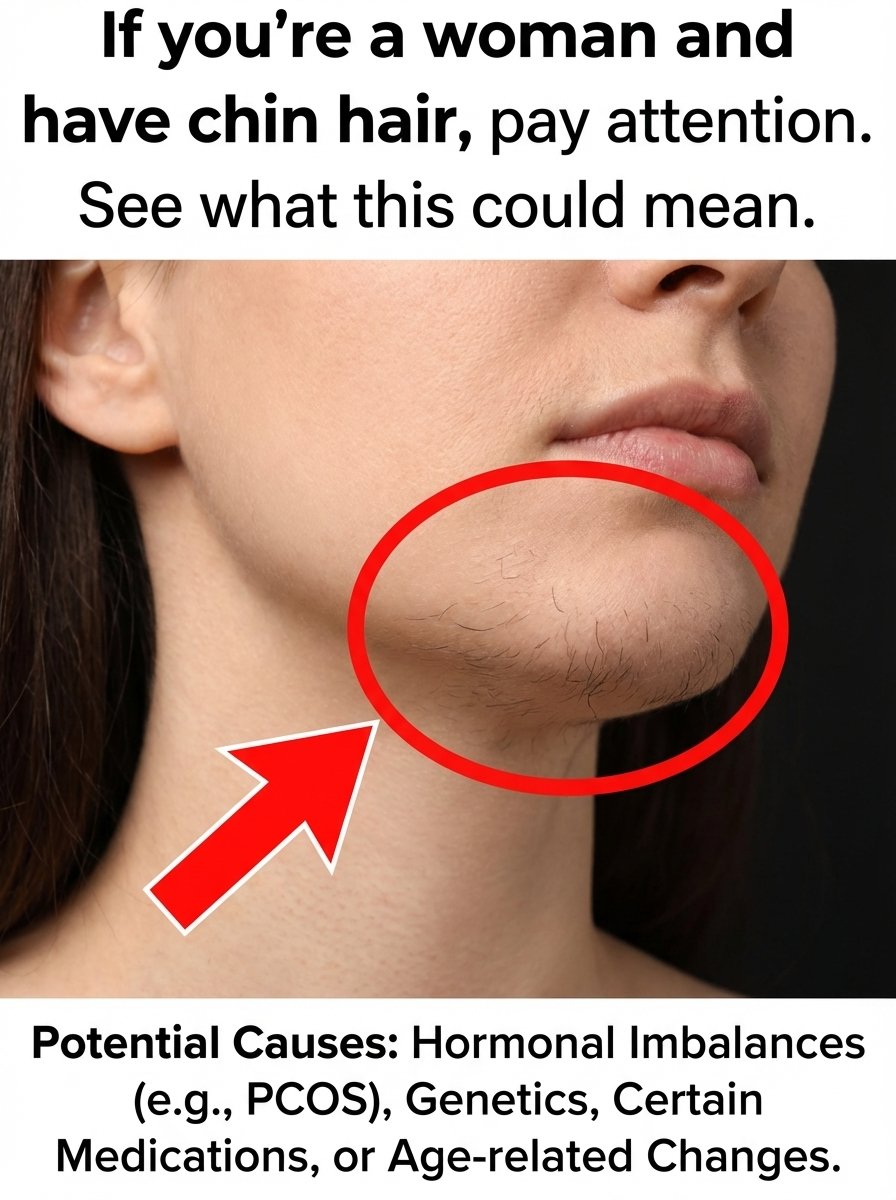
 Ever caught a glimpse of a stray chin hair and felt a sudden jolt of panic or self-consciousness? You’re definitely not alone. While often dismissed as just a minor beauty annoyance, those pesky hairs might actually be whispering crucial secrets about your inner health and hormonal balance—secrets many women completely overlook. It’s time to decode what your body is truly trying to tell you, because understanding the root cause can transform your approach to both your appearance and your well-being.
Is Chin Hair in Women Normal? The Surprising Truth
Let’s get one thing straight: noticing a few hairs on your chin is incredibly common for countless women, so you’re not an anomaly. The way hair grows is deeply personal, influenced by a unique mix of genetics, ethnic background, and your body’s natural hormone symphony. Some women simply have hair follicles that are more responsive, or a heightened sensitivity to androgens—those hormones often labeled “male hormones” like testosterone, which women naturally produce in smaller, vital amounts.
However, what feels “normal” can be a spectrum. A lone dark hair making an occasional appearance is typically nothing to worry about. The true signal to pay attention to is a noticeable change: when those hairs suddenly become thicker, coarser, darker, or start multiplying rapidly. This shift isn’t just a random occurrence; it’s your body’s subtle nudge, inviting you to investigate what might be unfolding internally.
Unmasking the Culprits: Common Causes of Chin Hair Growth
When chin hair suddenly becomes more prominent, the most frequent underlying factor is a subtle shift in your hormonal equilibrium, specifically an uptick in androgen activity. This doesn’t necessarily imply an “excessive” amount of testosterone; instead, it often indicates that your body’s hair follicles have become more sensitive or responsive to the androgens you already produce naturally.
Why is this crucial to understand? Because many seemingly innocuous daily factors can quietly tip these delicate hormonal scales, often without you even realizing it.
1. Everyday Hormonal Fluctuations You Might Be Missing
Believe it or not, your daily routine significantly impacts your hormones. Factors like persistent stress, insufficient sleep, and even the natural ebb and flow of your menstrual cycle can trigger temporary spikes in androgen levels. Compelling research highlights that chronic stress, by elevating cortisol, can indirectly stimulate androgen production in certain women. The tangible outcome? Those unexpected chin hairs that seemingly sprout overnight, signaling an imbalance.
2. The PCOS Connection: A Major Red Flag
For many women, excessive facial hair, particularly on the chin, can be a key indicator of Polycystic Ovary Syndrome (PCOS). This widespread hormonal condition impacts a significant portion of women—up to 10% of those in their reproductive years, as confirmed by comprehensive studies from the Endocrine Society.
If chin hair is a concern, keep an eye out for these accompanying symptoms, which often appear together:
- Unpredictable or absent menstrual cycles
- Stubborn acne breakouts on your face, chest, or back
- Mysterious weight gain, especially concentrated around your belly
- Noticeable thinning of hair on your scalp
PCOS critically interferes with your body’s natural hormone symphony, resulting in elevated androgen levels. These heightened androgens then actively stimulate hair growth in typical “male pattern” areas, including the chin, upper lip, and neck.
3. The Unavoidable Shift: Menopause and Perimenopause
As women transition through perimenopause and into menopause, a natural and inevitable hormonal recalibration occurs. Estrogen levels progressively decrease, causing androgens to become relatively more prominent in the body’s hormonal landscape. This widespread and entirely normal shift for millions of women often manifests as new facial hair growth, frequently accompanied by thinning scalp hair and increased skin dryness.
It’s fascinating to note that many women begin observing these subtle yet significant changes as early as their mid-40s, even while their menstrual cycles are still regular. This is simply your body gracefully adapting and navigating its way into a brand new life stage.
4. The Family Link: Blame Your Genes
Sometimes, the explanation for unwanted chin hair is as simple as looking at your family tree. If your mother, grandmother, or other female relatives displayed noticeable chin hair, there’s a strong likelihood you’ve inherited a similar genetic predisposition. Your genes play a powerful role in determining how sensitive your hair follicles are, the speed at which your hair grows, and even the unique way your body processes and responds to its normal hormone levels.
5. Medication Side Effects You Need To Know
It’s important to be aware that certain prescription medications can inadvertently trigger additional hair growth as an unwelcome side effect. Frequently implicated drugs include corticosteroids, specific types of hormonal therapies, and even some medications prescribed for conditions like endometriosis or other health issues.
If you’ve observed a noticeable increase in chin hair shortly after beginning a new medication, it’s absolutely crucial to bring this to your doctor’s attention. In many cases, a simple adjustment to your prescription or dosage could be all it takes to resolve the issue.
When Your Chin Hair Becomes a MUST-SEE Doctor Visit
While most instances of chin hair are entirely benign, there are critical moments when it’s not just smart, but essential, to investigate further. Don’t dismiss these signs.
You should pay immediate and closer attention if you begin to notice any of the following:
- A dramatic and sudden surge in the quantity or density of your chin hair
- The rapid emergence of dark, notably coarse hairs
- Chin hair appearing alongside other concerning symptoms like erratic periods, persistent acne, or unexplained, rapid fluctuations in weight
- New hair growth extending to other typically “male” areas, such as your chest, back, or stomach
These combined patterns can be powerful indicators of a deeper, underlying hormonal imbalance that absolutely warrants a thorough medical evaluation. The incredibly positive news is that identifying and addressing these issues early often leads to much simpler and more effective management strategies.
Your Ultimate Guide: How to Banish Chin Hair Safely and Effectively
If chin hair is a source of frustration, you absolutely don’t have to tolerate it. Fortunately, a wealth of safe, highly effective options are available, offering both immediate relief and more lasting solutions to suit your needs.
Quick Fixes: Temporary Solutions You Can Master at Home
- Tweezing: Perfect for tackling a few isolated stray hairs with speed and precision. Remember to always sanitize your tweezers before each use to prevent irritation.
- Waxing or Threading: These methods pull hair directly from the root, promising weeks of beautifully smooth skin.
- Shaving: Despite common myths, shaving is completely safe for facial hair when performed gently with a fresh, clean razor. Many dermatologists actively endorse it as an effective option for women.
Invest in the Future: Long-Term Options Worth Exploring
- Laser Hair Removal: This popular treatment uses concentrated light energy to target and damage hair follicles, significantly reducing growth. It yields the most impressive results on darker hair.
- Electrolysis: Recognized as the only method with FDA clearance for truly permanent hair removal, electrolysis is exceptionally effective and particularly well-suited for smaller, more delicate areas like the chin.
Crucially, if the underlying cause of your chin hair is a hormonal imbalance, your healthcare provider can also guide you toward targeted medical treatments designed to re-establish hormonal equilibrium right at the source.
Unlock Your Balance: A Simple 5-Step Action Plan for Hormonal Harmony
Ready to empower your body and optimize its natural balance? Implementing these actionable, practical steps can profoundly impact your hormonal health and overall well-being:
- Become a Symptom Detective: Track Your Cycle & Changes – Utilize a straightforward app or journal to meticulously record when chin hair appears more prominent, along with any other subtle shifts or symptoms you observe throughout your cycle. This data is invaluable!
- Nourish for Hormones: Build a Power Plate – Revolutionize your diet by prioritizing whole, unprocessed foods. Load up on fiber-rich vegetables, healthy fats (think avocado, nuts), and lean proteins, while consciously reducing added sugars and ultra-processed items that can disrupt balance.
- Move with Purpose: Daily Body Activation – Incorporate physical activity into your everyday life. Even a consistent 30-minute session of brisk walking or engaging in strength training can significantly aid in regulating insulin levels and balancing androgens.
- Master Rest & Calm: Prioritize Sleep & Stress Relief – Aim for a consistent 7–9 hours of high-quality, restorative sleep each night. Combat stress by integrating calming practices like 10 minutes of deep breathing exercises or guided meditation before winding down for bed.
- Partner with Your Doctor: Advocate for Your Health – Prepare a detailed list of all your symptoms and observations before your next medical appointment. This enables a productive discussion and helps determine if further hormonal testing or personalized guidance is necessary.
Embracing these small, consistent lifestyle adjustments can dramatically empower women, helping them regain a profound sense of control over their hormones and, by extension, their confidence.
Final Thoughts: Listen to Your Body, Understand the Signals
Ultimately, discovering chin hair as a woman is often just another natural variation in the incredible tapestry of human biology. However, it can also serve as a subtle yet powerful messenger from your body, gently urging you to pay closer attention to your hormonal landscape, stress resilience, or overall well-being. The crucial takeaway here is to observe these changes with thoughtful awareness, rather than immediate panic. While the vast majority of cases are harmless, understanding the potential underlying reasons can provide immense peace of mind.
Armed with this comprehensive knowledge, you are now empowered to make informed decisions that align with your personal comfort and health needs—whether that involves a simple, quick tweeze or initiating a more in-depth conversation with your healthcare provider. Your body is constantly communicating with you; learning to interpret its unique language is arguably one of the most profoundly empowering journeys you can embark on.
Frequently Asked Questions About Chin Hair in Women
Is it truly normal for women to have chin hair?
Yes, it’s quite common for many women to experience a few chin hairs, largely influenced by genetics and their inherent hormone levels. Nevertheless, any sudden or notably excessive increase in growth warrants a more thorough investigation.
Could chronic stress genuinely be a cause of chin hair growth?
Without a doubt. Persistent, chronic stress has a profound impact on your delicate hormone balance and can indeed amplify androgen activity, potentially resulting in more noticeable facial hair for some women.
What are the safest methods for removing chin hair at home?
For effective temporary removal, tweezing, waxing, or gentle shaving are all secure options. Always prioritize hygiene by using clean tools and follow up with a calming, hydrating moisturizer to protect your skin.
Disclaimer: Please be advised that this article is intended solely for general informational purposes and should not be considered a substitute for professional medical advice. Always consult with your qualified healthcare provider for personalized guidance regarding any health symptoms or concerns you may have.