 By nguyentiendung24101994
 Are you constantly catching those pesky skin tags on your clothes or jewelry, feeling self-conscious about those little fleshy growths on your neck, armpits, or groin? If you’re like millions desperate for a quick, cheap fix that promises overnight magic, you’ve probably stumbled upon the viral Vaseline skin tag removal trend flooding your feeds with unbelievable before-and-after photos. But hold on a second—before you grab that petroleum jelly, you need to hear the shocking truth about what really works (and what doesn’t) when it comes to banishing skin tags for good. Get ready to uncover the secrets to lasting, irritation-free skin, because we’re about to expose the myth and reveal the evidence-based solutions you actually need.
What Exactly Are Skin Tags and Why Do They Appear?
So, what exactly are these small, often irritating, skin growths? Scientifically known as acrochordons, skin tags are essentially harmless, benign outgrowths of skin cells that feel soft to the touch and typically hang from a slender stalk. They tend to emerge in areas prone to friction and moisture, such as the delicate skin of your neck, underarms, eyelids, or groin. While their appearance can be influenced by various factors like the natural aging process, carrying extra weight, genetic predisposition, pregnancy, or even underlying health conditions like diabetes, they are fundamentally non-cancerous and pose no health threat. Generally, skin tags are painless unless they become chafed by clothing or jewelry, which often prompts individuals to seek removal for cosmetic reasons or simply for enhanced daily comfort. However, a crucial detail often overlooked by trending online remedies is this: effective skin tag removal fundamentally involves either cutting off their blood supply or physically excising them—neither of which is achievable overnight with a simple product from your bathroom cabinet.
The Vaseline Skin Tag Removal Myth: What Those Viral Photos Hide
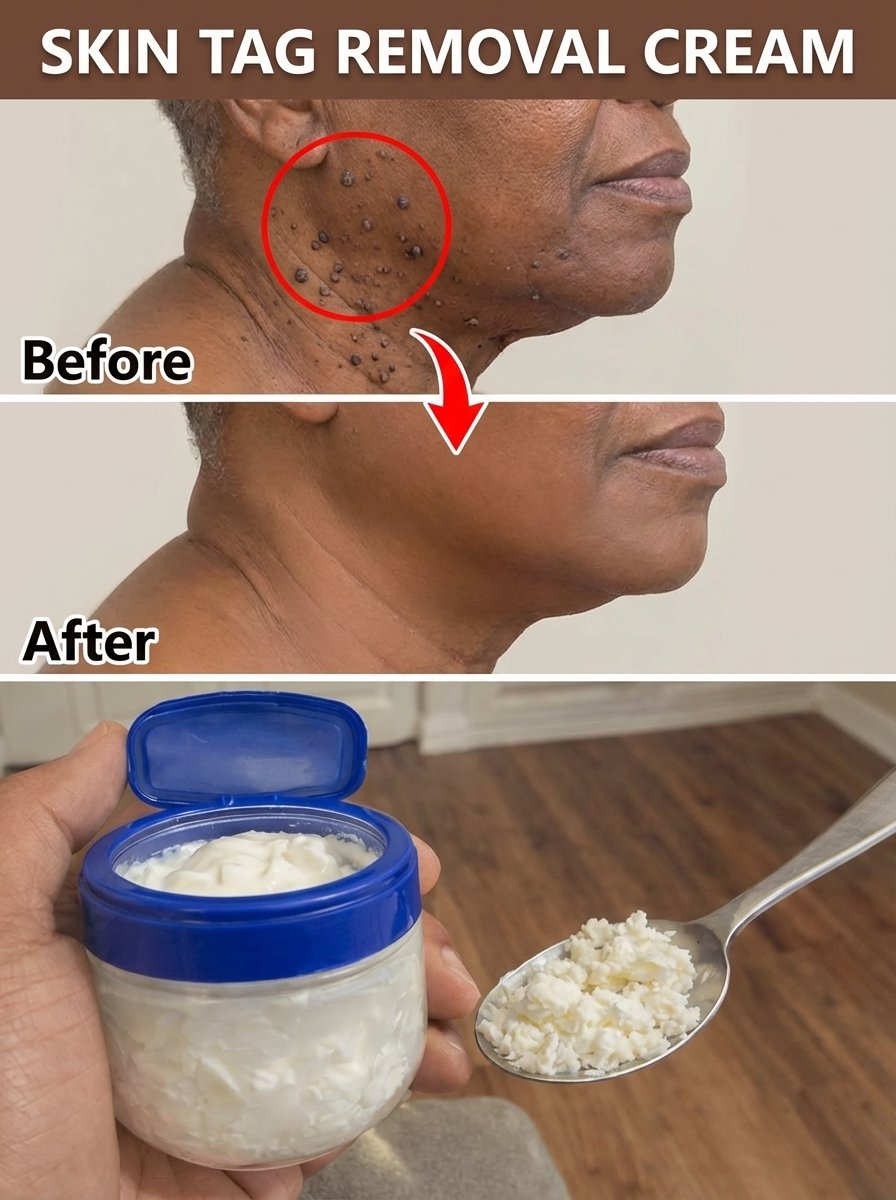
The internet is awash with captivating images: a ‘before’ shot showcasing multiple skin tags on a neck, then an astonishing ‘after’ photo revealing smooth, clear skin just hours later, with a ubiquitous tub of Vaseline as the supposed miracle cure. The theory behind this viral sensation suggests that slathering on a generous layer of petroleum jelly overnight effectively ‘suffocates’ the skin tag, thereby cutting off its vital blood supply, leading it to shrivel and detach by morning. Yet, dermatologists worldwide offer a stark reality check: Vaseline, or petroleum jelly, is designed to form a protective, occlusive barrier on the skin, sealing in moisture—it does not possess any drying properties. Esteemed medical professionals and leading dermatology organizations clarify that while petroleum jelly is invaluable for protecting and aiding the healing process after a skin tag has been professionally removed—by preventing dryness, fostering recovery, and minimizing scar formation—it completely lacks the active compounds needed to dissolve tissue, disrupt blood flow, or eliminate skin growths. As for those seemingly miraculous ‘after’ pictures? They are often the result of clever lighting tricks, altered camera angles, digital photo manipulation, temporary reductions in swelling, or simply the natural, gradual changes that some skin tags undergo over extended periods. While some skin tags may indeed eventually fall off naturally over weeks or months, this occurs independently of Vaseline application. Critically, zero scientific research supports Vaseline as an effective skin tag removal method, and online testimonials frequently fail to account for factors like skin irritation, the powerful placebo effect, or mere coincidence.
Why “Overnight” Natural Skin Tag Removal Claims Raise Red Flags
Here’s why you should be extremely wary of any claim promising ‘overnight’ natural skin tag removal. Because skin tags are living tissues nourished by their own blood supply, any legitimate removal procedure—be it freezing, ligation (tying off), or surgical excision—requires a minimum of several days to a few weeks for the tag to safely detach and the skin to heal. Methods that boast instant results often achieve this by inducing severe irritation, which can inflame the area and, in some cases, cause the tag to blacken and fall off. However, this comes at a significant risk of chemical burns, serious infections, or irreversible scarring. Leading dermatologists consistently advise against most do-it-yourself removal methods. A major concern is the potential for misdiagnosing the growth; what appears to be a skin tag could, in fact, be a mole, wart, or even a more serious skin condition, drastically increasing the risk of complications if not handled by a professional. Furthermore, the FDA has not sanctioned the safety or efficacy of the vast majority of at-home skin tag remedies. If you notice any sudden changes in a skin tag’s color, if it starts bleeding, grows rapidly, or becomes painful, it’s imperative to seek immediate medical attention from a healthcare professional, as these could be indicators of a more concerning underlying issue.
Safer Professional Options for Skin Tag Removal
For those prioritizing dependable results with the lowest possible risk, professional skin tag removal remains the undisputed gold standard. A board-certified dermatologist will first accurately diagnose the growth, ensuring it is indeed a benign skin tag, before recommending the most appropriate removal technique tailored to your specific skin type and the tag’s location. Below are the most frequently utilized and effective professional methods:
- Cryotherapy: This technique involves freezing the skin tag using liquid nitrogen, which causes the tag to naturally shrivel and fall off, typically within one to two weeks.
- Snip excision: For smaller tags, a sterile surgical instrument is used to swiftly and precisely snip the tag at its base, often yielding immediate removal.
- Electrosurgery or ligation: These methods involve either carefully burning the base of the tag with an electrical current (electrosurgery) or tying off its stalk (ligation) to safely cut off its blood supply, leading to its eventual detachment.
These medically supervised procedures are generally swift, carry minimal risks when conducted in a proper clinical environment, and are designed to significantly reduce the likelihood of scarring. Patients frequently report noticeably smoother skin within days, enjoying renewed confidence and lasting relief.
Natural Home Approaches: What Shows Promise (and What Doesn’t)
While awaiting a professional consultation or when dealing with tiny, non-irritating skin tags, certain gentle at-home practices can offer some benefit. Maintaining cleanliness and dryness in the affected area, refraining from picking or twisting the tags, and using friction-reducing powders in areas prone to rubbing are all sensible steps. However, here’s the crucial insight that often catches people off guard: even well-known natural drying agents come with significant warnings and absolutely none can deliver overnight removal. For individuals cautiously considering at-home solutions, frequently mentioned options include diluted tea tree oil, which might gradually dry out the tissue over several weeks, or carefully applied apple cider vinegar, an acidic method that carries a notable risk of skin irritation. It is absolutely essential to conduct a patch test on a small, inconspicuous area of skin first, and discontinue use immediately if any redness, discomfort, or swelling occurs. Additionally, over-the-counter freezing kits exist, designed to emulate professional cryotherapy, but they are typically less potent and still demand meticulous application. To provide a quick comparison of these methods, here’s a concise overview informed by expert dermatological perspectives:
| Method | How It Works | Typical Timeframe | Evidence Level | Key Risks |
|---|---|---|---|---|
| Professional Cryotherapy | Freezes tag with liquid nitrogen | 1–2 weeks | Strong (medical standard) | Minor blistering, temporary pigment change |
| Snip Excision | Cuts off at base with sterile tools | Immediate | Strong | Slight bleeding (rare) |
| Diluted Tea Tree Oil | Potential drying through irritation | Several weeks | Anecdotal | Allergic reactions, skin irritation |
| Apple Cider Vinegar | Acidic effect to dry tissue | Variable | Anecdotal | Burns or scarring if over-applied |
| Vaseline Alone | Moisturizes and protects | No removal | None for removal | Ineffective for tags |
This comprehensive comparison clearly underscores why scientifically supported professional care consistently delivers superior results compared to unproven, viral home remedies.
Actionable Tips You Can Start Today for Smoother Skin
Eager to embark on a safe and effective journey toward clearer skin? Implement these straightforward, dermatologist-endorsed strategies starting today:
- Initiate a prompt consultation with a board-certified dermatologist. They can accurately confirm your skin tags and outline the most suitable, personalized removal options for you.
- In the interim, make it a daily habit to gently cleanse the affected area with a mild soap and water, ensuring it is thoroughly patted dry afterward. This helps mitigate moisture, which can contribute to the formation of new growths.
- Should you opt for an at-home kit later on, strategically apply a thin layer of plain petroleum jelly around (but not directly on) the skin tag to shield the surrounding healthy skin from irritation.
- Prioritize wearing loose-fitting apparel to minimize friction against your skin tags, and conduct a monthly self-check to monitor for any alterations in their size, color, or quantity.
- Actively work towards maintaining a healthy body weight and diligently manage any underlying conditions like diabetes through balanced diet and regular exercise, as studies indicate a strong correlation between these factors and a reduction in new skin tag development over time.
Embracing these small yet impactful habits can significantly boost your confidence and help prevent future frustration, all without resorting to risky or unproven shortcuts.
Building a Long-Term Strategy Against Skin Tags
Developing a proactive, long-term strategy is just as vital as addressing existing skin tags. Concentrate on minimizing skin friction by opting for breathable clothing and diligently keeping areas prone to tags dry. Research consistently demonstrates that tackling contributing factors, such as excess weight, can significantly impede the development of new skin tags. Furthermore, an often-overlooked but encouraging fact is that many skin tags will naturally diminish or detach over several years with simple observation, requiring no active intervention whatsoever.
FAQ: Your Most Common Skin Tag Questions Answered
Can skin tags genuinely vanish overnight by using Vaseline?
Absolutely not. Petroleum jelly serves to moisturize and safeguard your skin, but it possesses no properties that enable it to remove skin tags. Viral assertions promoting this idea are entirely devoid of scientific backing, and dermatologists consistently affirm that Vaseline’s primary benefit is in aiding skin healing following professional removal procedures.
Are there any genuinely effective natural remedies for skin tags that I can use at home?
While some individuals experiment with diluted essential oils or apple cider vinegar, reporting gradual drying over time, the effectiveness of these methods varies significantly, and the risk of irritation or adverse reactions remains considerable. Professional dermatological methods consistently offer more rapid and safer results.
When should I consult a doctor regarding my skin tags?
It is strongly recommended to see a dermatologist if your skin tags are prone to bleeding, undergo rapid changes in appearance, emerge in delicate areas such as the face or genitals, or if you find yourself developing a large number of them—particularly if you have a history of diabetes or recent significant weight gain.
Final Thoughts: Choose Evidence-Based Care for Clearer, Confident Skin
The allure of a miraculous overnight Vaseline cure for skin tags is undeniably strong and easy to understand. However, the conclusive evidence demonstrates that petroleum jelly merely provides moisture and protection without actually removing these growths. Conversely, professional interventions such as cryotherapy or surgical excision consistently deliver rapid, dependable results with minimal recovery time, while sensible home care practices can help maintain healthy skin in the interim. By prioritizing scientifically validated methods and proactive prevention, you can achieve smoother, clearer skin without exposing yourself to avoidable risks or the frustration of failed remedies. You genuinely deserve effective solutions that instill lasting confidence. Therefore, reach out to a qualified dermatologist for expert, personalized advice specifically tailored to your unique skin needs.Disclaimer: This article is intended solely for general informational purposes and should not be considered a substitute for professional medical advice. Always seek the guidance of your healthcare provider for accurate diagnosis and personalized treatment recommendations pertinent to your individual health situation.