 By nguyentiendung24101994
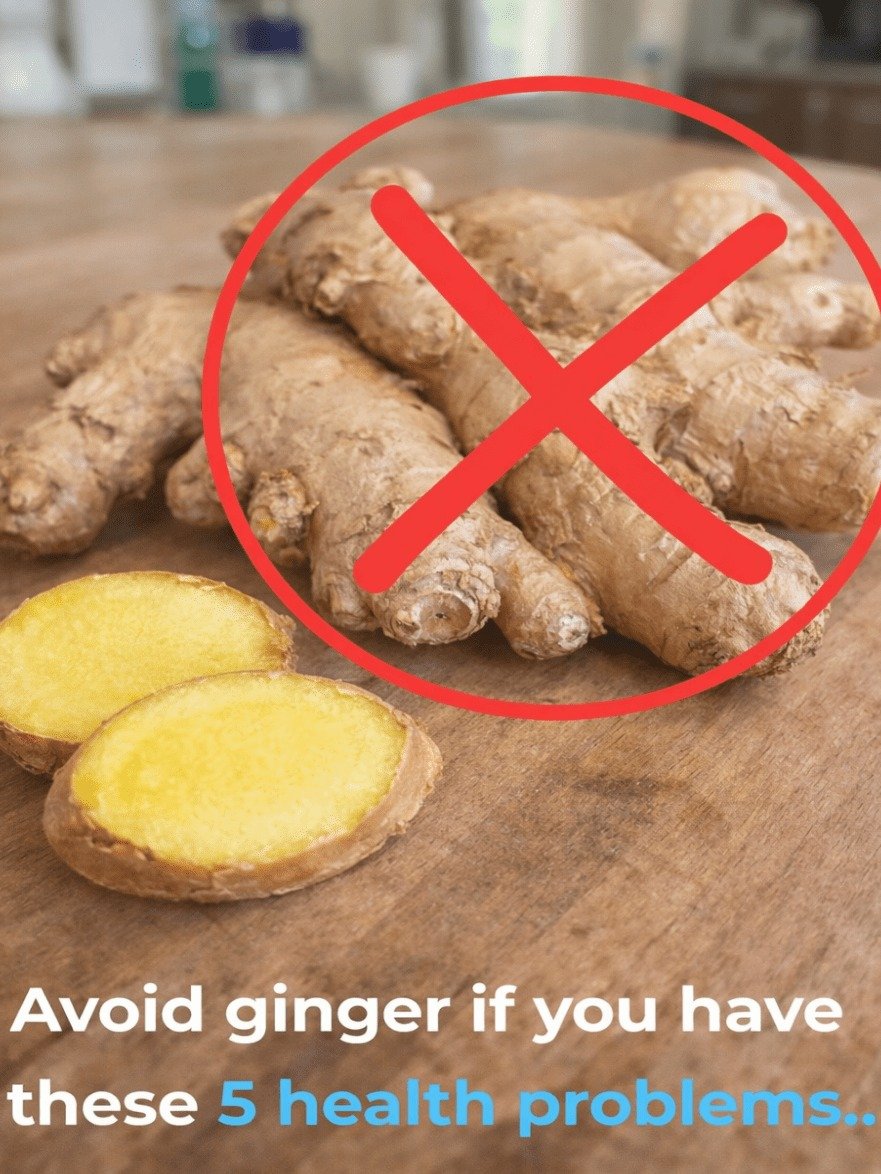
 Think ginger is a universally safe superfood? You might be shocked to learn that this beloved root, famed for soothing digestion, calming inflammation, and banishing nausea, could actually be a hidden danger for millions. For those managing specific health conditions, adding ginger to your diet could worsen symptoms or dangerously interfere with vital medications. If you’ve been reaching for ginger without a second thought, it’s time to pause – because by the end of this crucial guide, you’ll uncover exactly when to avoid it and discover safer alternatives for your health.
There’s no doubt that ginger has earned its stellar reputation for a multitude of health benefits. For the vast majority of individuals, incorporating moderate amounts of fresh or dried ginger into their diet can provide remarkable advantages without any adverse effects. However, it’s crucial to remember that even the most celebrated natural remedies have their boundaries. Scientific research clearly indicates that ginger’s potent active compounds, particularly gingerols, possess the ability to interact with the body in ways that aren’t always beneficial, especially under specific circumstances.
But here’s the critical twist you absolutely need to understand…
For some, what is typically a health-boosting ally can transform into a concerning adversary. Leading health authorities, including reputable platforms like WebMD, have repeatedly highlighted five distinct scenarios where the consistent or high-dose consumption of ginger warrants extreme prudence. We’re about to delve into each of these conditions individually, ensuring you can easily identify if any of these warnings apply directly to your well-being.
1. Bleeding Disorders or Blood-Thinning Medications
If you’re currently living with a diagnosed bleeding disorder or are regularly taking anticoagulant medications such as warfarin, aspirin, or clopidogrel, ginger’s inherent blood-thinning properties can significantly intensify these risks. Scientific investigations indicate that the active compounds within ginger have the potential to further impede blood clotting, thereby increasing your susceptibility to easy bruising, prolonged bleeding episodes, or frequent nosebleeds.
Why this matters: What seems like an innocuous addition to your daily routine, such as a simple ginger tea, could inadvertently clash with your prescribed treatment regimen in unforeseen ways. Experts strongly advise consulting with your physician before incorporating ginger, particularly in concentrated supplement forms, into your health plan.
Looking for safer alternatives? Consider focusing on other anti-inflammatory choices like turmeric (used sparingly) or increasing your intake of omega-3-rich foods such as wild salmon and walnuts. These options can support healthy circulation without posing the same concerns regarding blood clotting interference.
2. Diabetes or Blood-Sugar-Lowering Medications
Ginger possesses a natural ability to help reduce blood sugar levels by enhancing insulin sensitivity. For individuals actively managing diabetes with insulin or other oral medications, this additional drop in glucose could push levels dangerously low – potentially triggering hypoglycemia, characterized by symptoms like dizziness, excessive sweating, or mental confusion.
Research backs this up: Numerous clinical reviews have documented ginger’s measurable impact on fasting blood sugar and HbA1c levels. While this can be beneficial in some contexts, it becomes a significant risk when combined with existing diabetes treatments.
Here’s a crucial detail many overlook: even modest daily doses can accumulate and have an effect. It is imperative to diligently monitor your blood sugar levels and engage in a discussion with your healthcare provider before making any dietary adjustments involving ginger.
Gentler alternatives include cinnamon tea or green tea. Both are known to help stabilize glucose more subtly when consumed as part of a balanced diet rich in essential fiber and protein.
3. Heart Disease or Heart Medications
Individuals diagnosed with heart conditions or those taking specific cardiac medications, such as beta-blockers, calcium channel blockers, or antiarrhythmic drugs, face another important consideration. Consuming significant quantities of ginger may influence heart rhythm or blood pressure in ways that could potentially interfere with their prescribed therapeutic treatments.
The surprising reality: While moderate ginger intake is often associated with supporting healthy circulation, some studies have linked excessive consumption to adverse effects like palpitations or undesirable fluctuations in heart rate – precisely the outcomes you want to avoid when your heart requires consistent stability.
If you belong to this particular group, the safest course of action is either strict moderation or complete avoidance of ginger. Instead, gravitate towards heart-healthy choices such as garlic (when used in culinary amounts) or flaxseeds, which offer beneficial anti-inflammatory properties without posing the same risks of medication interaction.
4. Pregnancy – Especially in the Third Trimester
Many expectant mothers turn to ginger during the early stages of pregnancy to alleviate morning sickness, and it is generally considered helpful in small quantities. However, medical experts strongly advise exercising caution during the final trimester. Large doses of ginger could potentially stimulate uterine contractions or elevate the risk of bleeding as the due date approaches.
Important nuance: The quantity consumed is incredibly significant. Occasional use of fresh ginger in cooking is typically safe earlier in pregnancy, but supplements or potent ginger teas absolutely warrant a detailed discussion with your obstetrician.
Seeking safer remedies for nausea relief? Warm lemon water or a soothing peppermint tea can offer comfort without the same potential concerns. Additionally, consuming small, frequent meals throughout the day can effectively help keep discomfort at bay.
5. Gallstones or Stomach Ulcers
Ginger is known to stimulate bile production and can increase the acidity within the stomach – processes that are beneficial for healthy digestion in general but could become highly irritating if you already suffer from gallstones or peptic ulcers. This stimulation may exacerbate existing symptoms such as bloating, abdominal pain, or uncomfortable acid reflux.
What studies show: The very same compounds in ginger that assist overall digestion can, paradoxically, aggravate pre-existing gallbladder or ulcer conditions by significantly ramping up digestive secretions.
If these digestive conditions resonate with your experience, it is a prudent decision to steer clear of concentrated forms of ginger. Instead, consider soothing options like chamomile tea or aloe vera juice (in recommended amounts), which are known to calm the digestive tract more gently.
Here’s a quick recap to make it stick:
- Bleeding issues or blood thinners → Heightened risk of bleeding
- Diabetes → Potential for dangerously low blood sugar (hypoglycemia)
- Heart conditions → Possible interference with vital heart medications
- Late pregnancy → Concerns regarding uterine contractions and bleeding risk
- Gallstones or ulcers → Worsened irritation and digestive discomfort
These five crucial scenarios underscore precisely why labeling something as “natural” doesn’t automatically equate to “safe for everyone.”
Actionable Tips: How to Stay Safe and Still Support Your Health
Ready to confidently take control of your well-being? Here are practical, actionable steps you can implement starting today:
- Review your medications – Compile a comprehensive list of every medication you’re currently taking (including over-the-counter drugs and supplements) and bring it with you to your next doctor’s appointment. Specifically inquire about any potential interactions with ginger.
- Start small and track – If you’re uncertain about ginger’s effects on you, begin with minuscule amounts of fresh ginger incorporated into food (not supplements) and meticulously note how your body responds and feels.
- Choose alternatives wisely – Thoughtfully swap out ginger tea for comforting cinnamon, potent turmeric (always paired with black pepper for optimal absorption), or carefully selected lemon-ginger-free herbal blends.
- Prioritize whole foods – Make an effort to load your plate with a vibrant array of colorful vegetables, lean protein sources, and healthy fats to naturally provide many of the same beneficial effects that ginger offers.
- Consult before supplements – Absolutely never introduce ginger capsules or any high-dose extracts into your regimen without first seeking professional medical guidance, especially if you have chronic health conditions or are taking prescription medications.
Embracing these straightforward habits will help ensure your protection while still allowing you to harness the incredible power of food as a cornerstone of your health.
Why This Matters More Than Ever
Even seemingly innocuous natural ingredients like ginger possess genuine potency and can have significant effects on your body. The core principle here isn’t about fostering fear – it’s about empowering you with informed choices. By understanding these five critical health conditions where ginger demands careful consideration, you actively protect yourself and your loved ones from potentially avoidable setbacks. Most importantly, this knowledge opens the door to crafting personalized health strategies that are truly effective and perfectly suited for your unique body and needs.
FAQ – Quick Answers to Common Questions
Can pregnant women use ginger at all?
Small amounts of ginger are often helpful for nausea during early pregnancy, but experts strongly advise against larger doses in the third trimester. Always consult your obstetrician before use.
Does ginger interact with blood thinners?
Yes – ginger can enhance the effects of blood thinners, increasing the risk of bleeding. It is crucial to discuss this with your doctor before combining them, even when ginger is consumed in food.
What are the most common side effects of too much ginger?
In sensitive individuals, excessive ginger intake can lead to heartburn, diarrhea, or mild stomach upset. High doses may also exacerbate issues for those with the specific health conditions detailed above.
Bottom line: While ginger remains a wonderful and beneficial addition for many people, if any of the five health problems discussed above apply to you, prioritizing your body’s signals (and your doctor’s advice) can make all the difference in safeguarding your health.
Disclaimer: This article is for informational purposes only and is not a substitute for professional medical advice, diagnosis, or treatment. Always consult your healthcare provider before making changes to your diet, supplements, or medications, especially if you have existing health conditions or take prescription drugs. Individual results may vary.