 By nguyentiendung24101994
 Have you suddenly noticed tiny, pale white spots appearing on your arms or legs, especially after a sunny day? If you’re over 40, this sight can be surprisingly unsettling, sparking immediate concern about what might be happening to your skin. But before you jump to conclusions, let’s uncover the reassuring truth about these common, often misunderstood skin changes that affect millions of adults.
What Are These Small White Spots on Your Arms or Legs?
So, what exactly are these intriguing little marks? Picture tiny, flat, porcelain-white dots, usually no bigger than 2 to 5 millimeters, that tend to pop up on areas frequently exposed to the sun – think your forearms, shins, and occasionally your upper chest or shoulders. The good news is they’re entirely benign; they don’t itch, hurt, or cause any physical discomfort. Medically, dermatologists know them as idiopathic guttate hypomelanosis (IGH), or more simply, ‘white sun spots.’ While the name might sound complex, it essentially describes a very common, localized loss of skin pigment, a natural response of our skin to the cumulative wear and tear of life.
But the story doesn’t end with just their appearance. Many individuals first spot these changes during their midlife years, and it’s quite normal for their number to gradually increase over time. The truly reassuring part? These spots are not indicators of any serious underlying health issues, nor are they contagious or cancerous. Extensive research consistently points to their increased prevalence with age and accumulated sun exposure, impacting people across all skin tones.
Understanding the Most Common Cause: Idiopathic Guttate Hypomelanosis (IGH)
So, what’s the science behind idiopathic guttate hypomelanosis? The truth is, IGH emerges when the specialized pigment-producing cells within your skin, known as melanocytes, become less active in specific, localized areas. Numerous studies highlight that prolonged exposure to ultraviolet (UV) radiation is a significant culprit, gradually disrupting the production and even distribution of melanin – the vital pigment responsible for your skin’s unique color. Add in factors like genetics and the natural aging process, and it becomes clear why these spots are far more common after the age of 40.
Here’s a crucial distinction: unlike many other skin conditions, IGH spots remain remarkably smooth and flat, never developing any scaling or raised edges. Their defining characteristic is their inability to tan, which means they stand out much more vividly against your surrounding skin, especially during the summer months or after any significant time spent outdoors.
Why Do Small White Spots Appear on Your Skin? Key Risk Factors
The appearance of these distinct white spots isn’t due to a single cause but rather a combination of interconnected factors. Here’s what dermatological research and experts consistently identify as the key contributors:
- Chronic Sun Exposure: Decades of relentless UV ray exposure can gradually impair the normal functioning of pigment-producing cells in specific, vulnerable areas of your skin.
- Natural Aging Process: As we age, our skin’s ability to produce melanin naturally diminishes, causing certain areas to lose pigment and become more prominent.
- Genetic Predisposition: Your family history plays a role; if your parents or grandparents had these spots, you might be inherently more susceptible.
- Fairer Skin Tones: While IGH can affect anyone, individuals with lighter complexions often find these spots more noticeable due to the sharper contrast against their surrounding skin.
- Cumulative Lifestyle Factors: Every moment spent outdoors without adequate sun protection contributes to the gradual accumulation of damage, making these spots more likely to emerge over time.
Ultimately, it’s crucial to understand that these spots are a natural, anticipated part of your skin’s long-term evolution, not an unexpected or inexplicable problem that has suddenly materialized.
How to Tell These White Spots Apart from Other Skin Conditions
It’s completely understandable to wonder if these white spots might be indicative of something else entirely. To help put your mind at ease and clarify the distinctions, here’s a concise comparison of common skin conditions that might look similar:
| Condition | Appearance | Location | Other Symptoms | Typical Age Group |
|---|---|---|---|---|
| Idiopathic Guttate Hypomelanosis (IGH) | Tiny (2-5mm), flat, smooth, porcelain-white dots | Primarily on arms, legs, and other sun-exposed zones | Absolutely none | Commonly adults aged 40 and older |
| Vitiligo | Distinctly larger, irregular, milky-white patches | Can appear anywhere on the body, often symmetrically | No associated physical symptoms | Can develop at any age |
| Tinea Versicolor (Fungal Infection) | Slightly scaly, often subtly raised patches with varying colors | Frequently found on the chest, back, and upper arms | May sometimes cause a mild itch | Most common in teens to adults |
| Pityriasis Alba | Faint white patches, sometimes with a delicate scaly texture | Mainly on the face and arms | Often accompanied by mild dryness | Predominantly seen in children |
This straightforward comparison clearly illustrates why the vast majority of those small white spots on your arms and legs are indeed the harmless type. However, if you ever notice any of these spots changing shape, growing quickly, or if they’re accompanied by other concerning symptoms, it’s always wise to consult a healthcare professional for a definitive diagnosis.
Prevention Is Key: Simple Steps to Stop New Spots from Forming
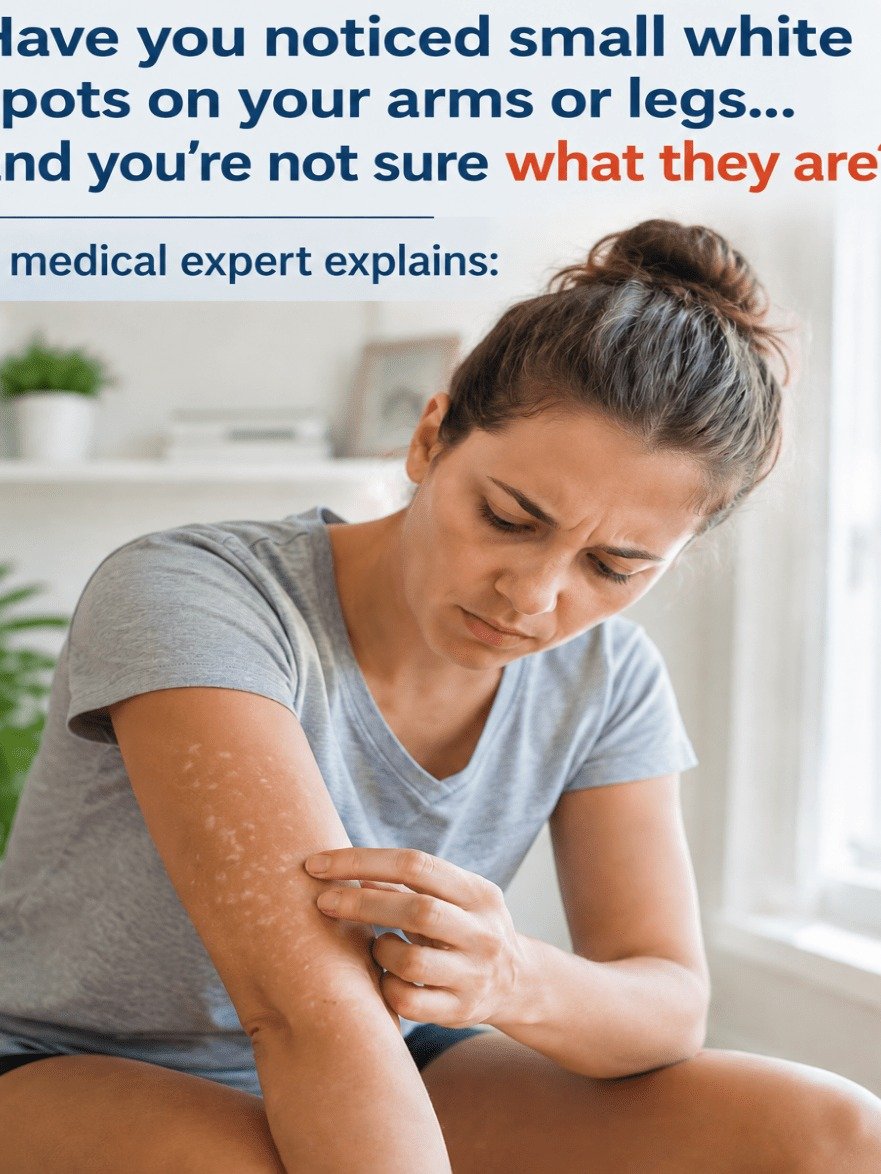
But here’s where you can truly take control: proactive skin protection today is your most powerful tool for a healthier tomorrow. Dermatologists universally agree that consistent sun protection stands as the absolute most effective strategy. Incorporating a daily broad-spectrum sunscreen with SPF 30 or higher, even when the sky is overcast, is crucial for defending against further UV damage. For extended outdoor activities, consider adding another intelligent layer of defense with lightweight long sleeves or UPF-rated clothing.
Actionable Tips You Can Start Today to Care for Your Skin
Ready to actively manage your skin’s health and minimize the appearance of new spots? Here are some practical, easy-to-adopt habits that seamlessly integrate into your daily routine:
- Make Sunscreen Your Daily Essential: Apply a broad-spectrum sunscreen with at least SPF 30 every single morning. Remember to reapply it every two hours, or more frequently if swimming or sweating, paying special attention to any exposed areas like your arms and legs.
- Hydrate Your Skin Consistently: Daily moisturizing is key. Well-hydrated skin not only looks healthier and more radiant overall but can also help to subtly minimize the visual contrast of existing spots.
- Embrace Protective Apparel: When planning outdoor activities, especially during peak sun hours (typically 10 a.m. to 4 p.m.), choose breathable long-sleeved shirts and pants to create a physical barrier against UV rays.
- Perform Regular Skin Self-Checks: Dedicate a few minutes each month to a thorough skin examination. This proactive habit empowers you to detect any new or changing spots early, fostering greater confidence and peace of mind.
- Explore Gentle Skincare Options: If you’re looking to improve overall skin tone, consider over-the-counter products containing mild retinoids or specific brightening ingredients. However, always perform a patch test first to ensure compatibility with your skin.
Adopting these seemingly small habits consistently can yield significant results over time, empowering you to feel much more in control of your skin’s future health and appearance.
When Should You Consult a Dermatologist?
While the majority of IGH cases don’t require medical intervention, a consultation with a professional dermatologist can offer invaluable reassurance. It’s definitely time to schedule an appointment if you notice the spots rapidly multiplying, developing any unusual texture changes, or if you simply have persistent concerns. A dermatologist can easily confirm the diagnosis with a visual examination and discuss potential cosmetic options, such as certain laser treatments or cryotherapy. These procedures are typically chosen purely for aesthetic improvement, as results can vary widely among individuals, and their primary goal is to enhance the skin’s appearance rather than completely eradicate the condition.
The Bottom Line: Embrace Your Skin with Confidence
Ultimately, those small white spots on your arms or legs are almost always a harmless, natural byproduct of accumulated sun exposure and the inevitable journey of aging. By arming yourself with knowledge about their nature, committing to proactive skin protection, and integrating simple daily habits, you can cultivate a much greater sense of comfort and confidence in your own skin. The powerful takeaway here is clear: informed understanding coupled with diligent care are your best allies in preventing new spots and living life free from unnecessary skin concerns.
Frequently Asked Questions (FAQ) About White Sun Spots
1. Are these small white spots on my arms and legs a cause for concern?
Absolutely not. In the overwhelming majority of instances, these spots are a benign (harmless) condition known as idiopathic guttate hypomelanosis. They pose no health risks whatsoever and do not evolve into skin cancer.
2. Will these white spots disappear on their own over time?
Unfortunately, these spots typically do not fade away completely without some form of intervention. However, diligent and consistent sun protection is highly effective in preventing the formation of new spots. Certain cosmetic treatments are available that may help to significantly reduce their visibility.
3. What are the best ways to prevent additional small white spots from forming?
The most impactful preventative measures include daily application of broad-spectrum sunscreen, wearing protective clothing, and strategically avoiding direct sun exposure during its peak intensity hours. Consistently adhering to these habits will yield the most significant long-term benefits for your skin.
Important Disclaimer
Please note that the information provided within this article is intended strictly for general educational purposes and should never be considered a substitute for professional medical advice. For a personalized diagnosis, treatment plan, or specific recommendations concerning your unique skin concerns, it is always essential to consult with a qualified dermatologist or healthcare provider. Individual outcomes and experiences with treatments may vary.