 By nguyentiendung24101994
 Ever sliced into a watermelon, only to be met with a disappointing, pale, and flavorless mess? That frustrating moment when your summer treat turns into a watery letdown ends now. Imagine a world where every single watermelon you pick is bursting with vibrant red, intensely sweet, and perfectly juicy flesh, complete with a delightfully thin rind. Most people just guess, but what if there were simple, foolproof indicators that guarantee you bring home a winner? The good news is, these expert-approved secrets are easier to master than you think. Keep reading, because I’m about to reveal the ultimate combination of checks, plus one surprising trick, that will transform your watermelon-picking game forever!
Why Your Watermelon Choice Is More Crucial Than You Think
Here’s a critical fact: watermelons don’t continue to ripen once they’ve been harvested. This means the melon you choose at the grocery store or farmer’s market is exactly what you’ll get when you cut into it at home. A truly ripe watermelon offers that coveted deep red hue, a naturally high sugar content, and maximum juiciness, all while minimizing the thick, often bitter rind that many people simply discard. Unfortunately, relying solely on a watermelon’s surface appearance or pure guesswork often leads to inconsistent and disappointing results. The great news? By understanding a few simple growth and maturity indicators, you can completely transform your next watermelon purchase into a guaranteed success.
The Ultimate Indicator: Always Check the Field Spot First
Let’s dive into the most significant clue that all the experts rely on. Carefully turn the watermelon over and locate the “field spot”—this is the creamy yellow or buttery patch where the melon rested on the ground as it matured on the vine. A vibrant golden or deep creamy yellow color is a strong signal that the melon spent ample time ripening, allowing it to develop its peak sweetness and that beautiful, vibrant red interior you’re dreaming of.
If you notice the field spot is white or a pale green, consider that a red flag. It typically indicates the watermelon was picked prematurely, which often results in a bland flavor and a less intense, paler flesh. Agricultural research consistently shows that this color transformation is one of the most reliable visual cues for ripeness. What’s even more fascinating is that the richer and deeper the yellow, the sweeter and juicier your melon is likely to be!
Master the Knock Test: Listen for the Sweet Spot
Next, gently pick up the watermelon and give it a light thump with your knuckles. A perfectly ripe watermelon will emit a deep, hollow sound—much like tapping on a full, ripe melon brimming with juice. This distinct resonance is a direct result of the firm, yet incredibly juicy flesh contained within.
Conversely, if you hear dull or flat tones, it usually means the fruit is either underripe (harder texture, less sweet) or potentially overripe (leading to a mealy, undesirable texture). While some debate the absolute reliability of the thump test in isolation, studies involving vibration analysis suggest a strong correlation with internal quality when this method is used in conjunction with other signs. Combine this with the field spot check, and you’re already making a more informed choice than 90% of other shoppers!
Feel the Heft: The Secret to Maximum Juiciness and a Thin Rind
When it comes to watermelons, heavier is almost always better. Lift a few watermelons of similar size and instinctively choose the one that feels surprisingly heavy for its dimensions. This significant weight indicates a higher water content, which directly translates to superior juiciness and that coveted sweet, red flesh.
Intriguingly, this weight test also points to a more favorable flesh-to-rind ratio—meaning you get a relatively thinner rind and more delicious edible fruit for your money. If a melon feels unusually light for its size, it’s often drier inside and comes with a thicker, less appealing rind. To make it crystal clear, here’s a quick comparison:
| Sign | Ripe & Sweet (Red Flesh Winner) | Unripe or Disappointing |
|---|---|---|
| Field Spot | Creamy yellow to deep golden | White or pale green |
| Weight | Heavy for its size | Light for its size |
| Rind Appearance | Dull, matte finish | Shiny or glossy |
| Thump Sound | Deep, hollow resonance | Dull, flat, or high-pitched |
| Rind Feel | Firm, no soft spots | Soft spots or overly hard |
Uncover Nature’s Sweetness Guarantee: Look for Sugar Spots and Webbing
This particular detail is often overlooked by most shoppers, but it’s a game-changer. Actively search for rough, brown, web-like patterns or small, dark “sugar spots” on the rind. These distinctive markings develop when bees thoroughly pollinate the flower, which allows the melon to develop extra sugars. Generally, more extensive webbing indicates a higher level of sweetness and that rich, vibrant red color you’re looking for inside.
While these natural imperfections might make the watermelon appear less aesthetically “perfect,” they are actually a genuine badge of superior flavor quality. On the flip side, avoid melons with perfectly smooth, flawless skin—these often lack that intense, mouth-watering sweetness you crave.
The Thin Rind Secret: Rind Color and Firmness
A truly ripe watermelon will exhibit a dull, matte finish on its rind, rather than a shiny or glossy appearance. A shiny skin typically suggests that the melon was harvested before it reached its peak maturity. Additionally, the rind itself should feel consistently firm and hard when you press on it, with absolutely no soft or mushy areas.
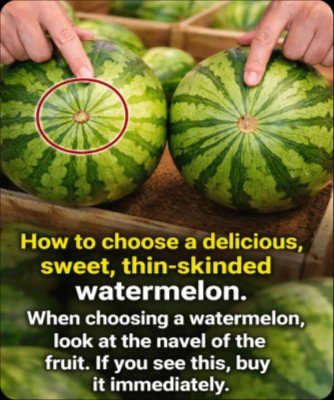
For that highly sought-after thin rind, remember that the heavy-for-its-size melons you’ve already checked are more likely to have a greater proportion of flesh and less wasted rind. Combine this with a generally uniform, symmetrical shape (either round or oval, free from significant dents or awkward bumps), and you’re well on your way to maximizing your edible portion.
Don’t Overlook the Stem and Overall Size
If the stem is still attached to the watermelon, always look for one that is dry and brown. A green stem is a strong indicator that the melon was picked too early, interrupting its natural ripening process. In terms of size, medium-sized watermelons often offer the best balance of sweetness and texture. Surprisingly, excessively giant watermelons can sometimes be more watery than intensely sweet, so don’t always assume bigger is better.
Your Expert-Level, Step-by-Step Guide to Picking the Ultimate Watermelon
Here’s the precise sequence of actions to take the next time you’re browsing at the grocery store or a local farmers market:
- Start by scanning for watermelons that display a prominent, creamy-yellow to deep golden field spot on their underside.
- Next, lift and compare the weights of several melons; select the one that feels notably heavy for its particular size range.
- Give the melon a firm thump near its center and listen intently for that characteristic deep, hollow, resonant sound.
- Carefully inspect the rind: it should have a dull, matte finish, a firm texture, and ideally some brown webbing or small sugar spots.
- If a stem is present, check that it is dry and brown, not green.
- Finally, choose a watermelon with a uniform, symmetrical shape, free from major irregularities.
By consistently following this comprehensive sequence, you will dramatically boost your chances of selecting that perfect, juicy, and sweet slice every single time you shop.
Avoid These Common Pitfalls for Consistent Watermelon Success
The biggest mistake many people make is relying on just one sign. A shiny skin or a seemingly “perfect” outward appearance often masks an underripe or flavorless fruit. Falling for the largest melon on the shelf is another frequent trap—sheer size doesn’t automatically equate to superior sweetness or quality. And remember, a watermelon will never ripen further once it’s been picked; it’s one of those fruits that must be perfectly ripe at the moment of harvest.
The Surprising Final Trick Most People Never Even Consider
Now for the secret I promised earlier, a powerful tip most consumers completely overlook: always shop during peak watermelon season (which typically runs from late spring through early fall in most regions) and prioritize buying from local farmers’ markets whenever possible. Vine-ripened melons sourced from smaller, local growers frequently offer a superior level of sweetness and a richer red flesh compared to many mass-produced supermarket options. Combine this ultimate tip with all the checks mentioned above, and you’ll almost never pick a disappointing watermelon again!
Final Thoughts: Savor Every Juicy, Sweet Bite
The days of guessing and hoping for a good watermelon are officially over. Picking a perfectly ripe watermelon with irresistible sweet red flesh and a thin rind doesn’t have to be a matter of pure luck. By consistently employing these straightforward, expert-backed checks—focusing on the field spot, weight, sound, webbing, and rind appearance—you can confidently select winners that deliver exceptional flavor and incredible value. The very next time you’re shopping, put this full routine to the test and prepare to taste the remarkable difference for yourself.
FAQ
1. Can a watermelon ripen after you bring it home?
No, definitively not. Unlike some other fruits, watermelons cease their ripening process the moment they are harvested. This is precisely why it’s absolutely critical to meticulously check for ripeness signs right at the store.
2. Does the thump test truly work, or is it just an old wives’ tale?
It’s a widely popular and genuinely helpful method, especially when it’s combined with other reliable indicators like the field spot and the melon’s weight. Agricultural experts have noted that the distinctive deep, hollow sound often correlates strongly with juicy, well-developed flesh inside.
3. Is there any foolproof way to guarantee the inside will be red before I cut it open?
While nothing is 100% foolproof without cutting, the powerful combination of a deep golden field spot, a dull rind, and the presence of sugar webbing or spots provides a very strong indication that you’ll find vibrant red, sweet flesh inside. Most commercial watermelon varieties are specifically bred for their red interiors, and proper vine ripening is what brings out that beautiful color.
Disclaimer: This article is provided solely for informational and educational purposes. It should not be considered as medical, nutritional, or dietary advice. Always consult with a qualified healthcare professional for personalized guidance regarding your diet and overall health.