 By nguyentiendung24101994
 Do you consistently wake up feeling like you ran a marathon overnight, even after a full eight hours in bed? If you’re over 60, this pervasive, unrefreshing exhaustion isn’t just a normal part of aging – it’s a critical warning sign that something deeper is disrupting your rest. While many suspect too little sleep, the real culprit often lies in the quality of your slumber, specifically a hidden condition called obstructive sleep apnea. But there’s one incredibly clear, yet often overlooked, nighttime habit that could be the definitive clue you’ve been missing, and pinpointing it could finally unlock the secret to waking up truly refreshed.
How Sleep Apnea Quietly Fragments Your Nights
When you’re sleeping soundly, your throat muscles naturally relax, but they typically maintain an open airway. However, if you have sleep apnea, these crucial muscles may relax too much, causing your airway to constrict or even temporarily close. Your brain, sensing a dip in oxygen levels, swiftly jolts you awake just enough to restore breathing – a micro-awakening you’ll likely never recall. These minuscule yet frequent interruptions, sometimes occurring dozens of times an hour, prevent you from reaching the vital deep, restorative sleep phases your body desperately needs for repair and rejuvenation.
This constant fragmentation of your sleep explains precisely why so many older adults report spending a full seven or eight hours in bed, only to wake up feeling utterly drained, mentally foggy, and immediately craving a nap. Extensive research in sleep medicine consistently confirms a powerful connection between these recurring breathing interruptions and persistent unrefreshing sleep, leading to profound daytime fatigue, a correlation that becomes even more pronounced with advancing age.
Why the Risk Rises After Age 60
As we naturally age, several physiological shifts contribute to an increased likelihood of developing sleep apnea. The muscles in your throat, for instance, tend to lose some of their natural firmness over time. Additionally, fatty tissue can redistribute around the neck and tongue, placing greater pressure on the airway. Certain prescription medications, commonly used to manage conditions like high blood pressure, anxiety, or chronic pain, can also exacerbate the problem by further relaxing these critical muscles. Even seemingly minor issues such as chronic nasal congestion from allergies or a deviated septum can encourage habitual mouth breathing during sleep, making airway collapse more probable.
Scientific studies consistently indicate a significant rise in the prevalence of sleep apnea after the age of 60. It’s not uncommon for individuals who never had a loud snoring problem in their younger years to start exhibiting symptoms later in life. The truly positive news, however, is that identifying these patterns opens the door to effective interventions and clear pathways for discussion with your healthcare provider.
The Sign Worth Checking: Mouth Open While Sleeping
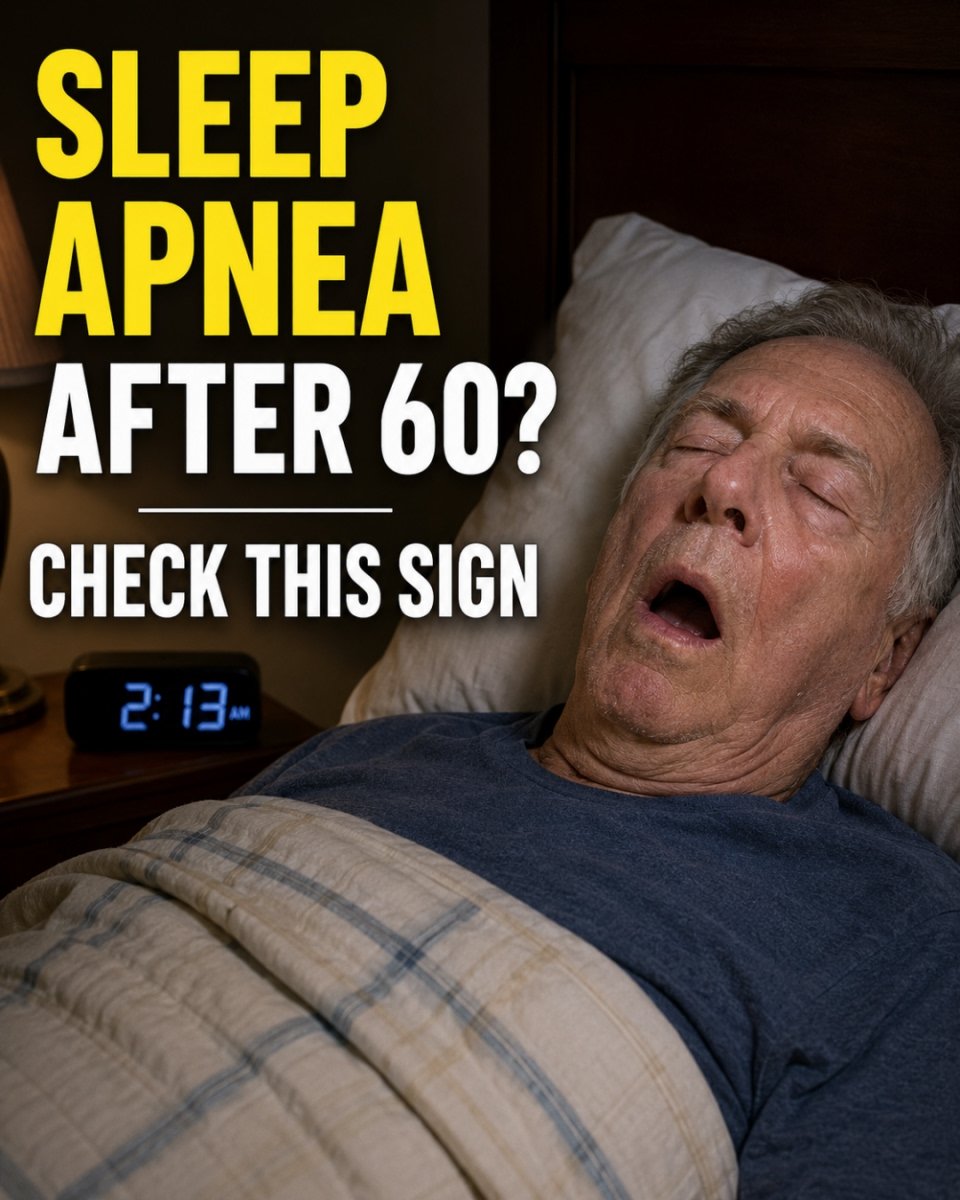
Now, here’s the crucial detail that frequently catches people off guard. One of the clearest and most observable indicators pointing towards potential sleep apnea is consistently sleeping with your mouth agape. When the upper airway experiences partial obstruction, your body’s natural response is to compensate by drawing in more air through the mouth. This prolonged mouth breathing throughout the night results in distinct symptoms upon waking, such as an uncomfortably dry mouth, a persistently scratchy throat, or even a subtle headache that tends to dissipate as the morning progresses.
Should you share your bed with a partner, they might have already observed your mouth drooping open or noted irregularities in your breathing patterns during the night. Even for those who sleep solo, that stubborn, parched sensation in your mouth immediately upon waking can serve as a vital piece of the puzzle. While this sign alone isn’t conclusive evidence, its presence, especially when coupled with persistent morning exhaustion, warrants serious consideration.
Other Symptoms That Frequently Appear Together
It’s common for individuals experiencing sleep apnea to recognize several of these correlating patterns simultaneously:
- Unusually loud or inconsistent snoring, characterized by frequent pauses and restarts
- Episodes of gasping for air, choking sensations, or abrupt awakenings accompanied by a pounding heart
- Persistent morning headaches that typically subside within a few hours after waking
- An overwhelming compulsion to nap or fall asleep during calm, inactive periods of the day
- Noticeable struggles with focus, concentration, or recalling names and important details
- Experiencing heightened irritability or a generally lower mood than is typical
- Frequent nighttime bathroom trips (nocturia)
While each of these symptoms can individually stem from various causes, their combined presence, particularly when coupled with chronically unrefreshing sleep, elevates sleep apnea significantly on the list of potential underlying issues demanding further investigation.
Factors That Raise Likelihood After 60
Specific circumstances and lifestyle elements can significantly increase the susceptibility of your airway to collapse:
- Excess body weight, particularly when concentrated around the neck and upper torso
- The use of certain medications known for their muscle-relaxing effects, such as some blood pressure drugs or sleep aids
- Consistent smoking habits or regular alcohol consumption, especially close to bedtime
- Persistent issues with nasal congestion or seasonal allergies
- A genetic predisposition, indicated by a family history of sleep apnea
- A preference for sleeping primarily in a supine (on your back) position
Identifying these contributing factors isn’t meant to cause alarm; rather, it empowers both you and your doctor with valuable information to guide a more informed and productive discussion about your sleep health.
Practical Steps You Can Take Right Now
If the symptoms and descriptions outlined here resonate with your experiences, rest assured you don’t need to navigate this journey in isolation. Below are actionable steps many individuals find beneficial as they prepare for and engage in a comprehensive medical consultation:
- Start a straightforward two-week sleep diary. Document your bedtime, wake-up time, any recalled awakenings, and specifically note instances of dry mouth or snoring. Also, rate your morning energy levels on a scale of 1 to 10. This detailed record will prove invaluable during your consultation with a doctor.
- Arrange an appointment with your primary care physician. Clearly articulate your persistent tiredness, any observed snoring or breathing irregularities, and the phenomenon of dry mouth. Your doctor can then determine the most appropriate next step, whether it’s recommending a home sleep test or referring you to a specialized sleep expert. A professional evaluation remains the definitive method for accurately diagnosing your condition.
- Experiment with sleeping on your side rather than your back for several nights. For some individuals, simply altering their sleeping posture can significantly ease breathing. A strategic body pillow or a rolled towel positioned behind your back can assist in maintaining a side-sleeping position.
- Refrain from consuming alcohol and large, heavy meals within three hours of your intended bedtime. Both substances can excessively relax throat muscles, thereby increasing the likelihood of airway constriction.
- If nasal congestion frequently bothers you, consider slightly elevating your head during sleep. Utilizing a wedge pillow or gently raising the head of your bed by a few inches can sometimes alleviate congestion and reduce the tendency for mouth breathing.
While these proactive measures can generally contribute to improved sleep quality and provide crucial insights for your healthcare team, it is essential to remember they are not a substitute for a professional medical diagnosis.
Getting the Right Support Matters
The persistent exhaustion you feel after 60 doesn’t have to be your inevitable reality. A significant number of older adults find profound relief when they connect the dots – their morning fatigue, the tell-tale sign of mouth breathing during sleep, and other subtle clues – and share these observations with a medical professional. This comprehensive understanding finally reveals the true culprit behind their stolen rest. Gaining this clear picture then paves the way for tailored treatment options designed to safeguard both your crucial nighttime recovery and your essential daytime vitality.
By simply recognizing and acknowledging how you feel, you’ve already embarked on a truly significant first step. This heightened self-awareness, when combined with expert medical guidance, represents one of the most potent strategies available for transforming your mornings into a brighter, more energetic experience once more.
Frequently Asked Questions
Is it possible to have sleep apnea without loud snoring?
Absolutely. Although snoring is a frequently associated symptom, a considerable number of individuals can experience significant airway pauses that are largely silent, particularly if they predominantly breathe through their mouth. Therefore, persistent morning tiredness and dry mouth can remain crucial indicators, even in the absence of obvious, dramatic snoring.
Can I use a smartphone app to check for sleep apnea?
While various consumer-grade smartphone applications can track sounds or movements during sleep, potentially revealing patterns that warrant attention, it’s critical to understand they are not designed as diagnostic instruments. A definitive diagnosis or exclusion of sleep apnea can only be made through proper tests prescribed and thoroughly interpreted by a qualified healthcare professional.
Does feeling tired after 60 always mean something is wrong?
Not necessarily. It’s true that energy levels can naturally fluctuate and adapt with age, alongside the influence of medications and overall activity. However, when fatigue becomes overwhelmingly extreme, is accompanied by additional symptoms such as dry mouth or noticeable breathing irregularities, and actively impedes your daily functioning, it’s certainly a situation that warrants thorough investigation rather than simply being dismissed as an unavoidable consequence of aging.
Disclaimer: This article is provided strictly for general informational purposes and should not be considered as medical advice, a diagnosis, or a treatment recommendation. It is always imperative to consult with a qualified healthcare professional for personalized guidance concerning any sleep-related issues or other health conditions you may have.