 By nguyentiendung24101994
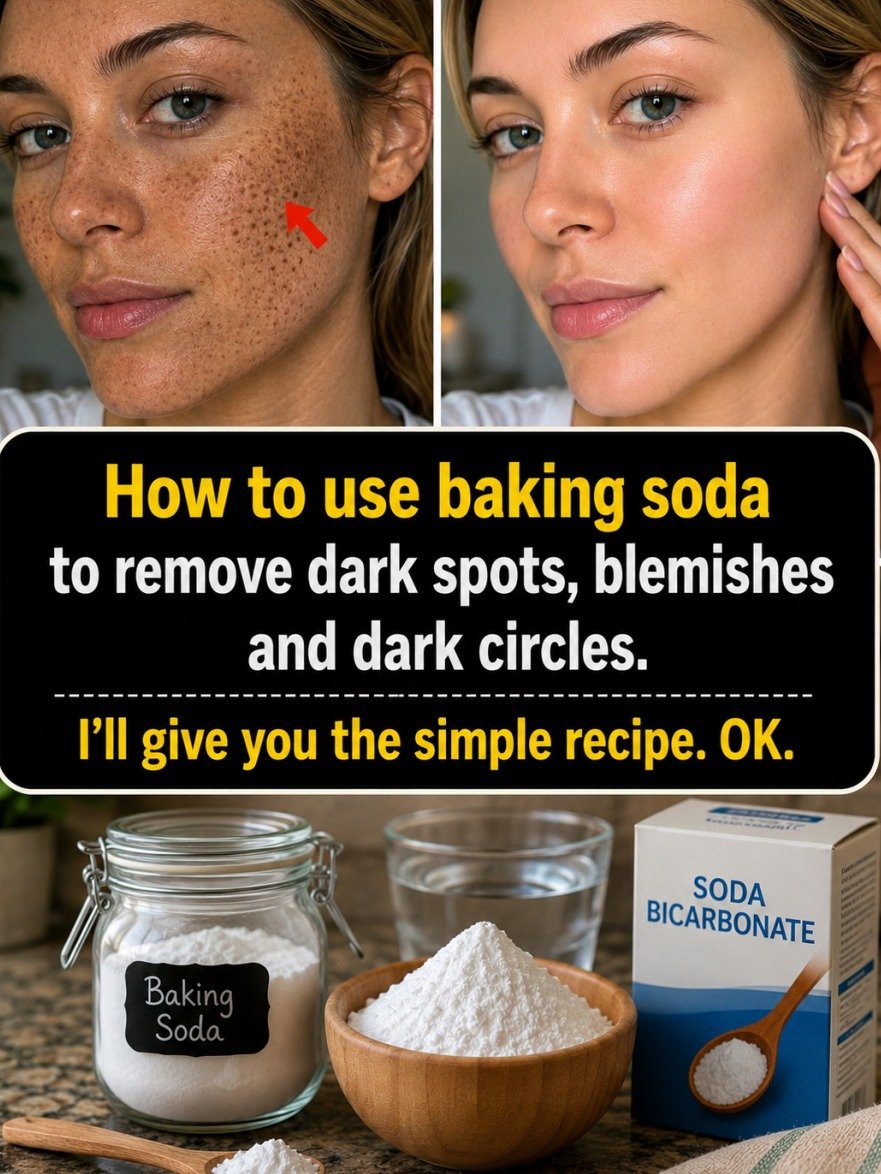
 Have you ever found yourself reaching for that familiar box of baking soda, perhaps mixing it with water or honey, convinced it would magically deliver smoother skin, banish blackheads, or give you an instant glow? You’re certainly not alone. Social media is overflowing with seemingly simple DIY recipes touting incredible results from this everyday kitchen staple. However, for countless individuals who embrace these methods, the outcome is often skin that feels uncomfortably tight, appears noticeably redder, and becomes far more sensitive than before. The undeniable truth is that the highly alkaline nature of baking soda is fundamentally at odds with the delicate, natural chemistry of your facial skin. But once you grasp precisely why this chemical conflict occurs and discover what truly nurtures long-term skin comfort, you’ll be empowered to make choices that fortify your skin’s protective barrier, rather than inadvertently damaging it.
Why Baking Soda Became a Popular DIY Skincare Hack
Known scientifically as sodium bicarbonate, baking soda boasts a trifecta of appealing qualities: it’s incredibly inexpensive, readily available in almost any pantry, and possesses a fine, slightly abrasive texture. For decades, many have turned to it as a go-to physical exfoliant, believing it effectively buffs away dead skin cells, or as a paste designed to soak up excess oil. Anecdotal reports even suggest it can tackle mild acne or refine uneven skin texture, often because it provides a sensation of being ‘deeply cleansed.’ These notions gained rapid traction, fueled by their perceived naturalness and accessibility, particularly when financial constraints are a factor or as skin changes accompany the aging process. Yet, what might initially feel like an invigorating, deep clean can, in reality, lay the groundwork for significant skin issues that only surface hours or even days later. While its allure is completely understandable, the fundamental science governing your skin’s vital protective layer reveals a far more complex and cautionary tale.
The pH Problem That Changes Everything
The cornerstone of healthy skin is its slightly acidic surface, famously known as the acid mantle, which typically maintains a pH level ranging from 4.5 to 5.5. This exquisitely delicate balance is absolutely crucial; it acts like a natural shield, locking in essential moisture, fostering a thriving environment for beneficial skin bacteria, and serving as your body’s primary defense against environmental irritants and harmful pathogens. In stark contrast, baking soda registers an alarming pH of approximately 9, positioning it firmly in the distinctly alkaline category. When this substance is applied to your face, it drastically pushes your skin’s pH upwards. Extensive research into skin surface pH, including compelling findings detailed in the International Journal of Cosmetic Science, unequivocally demonstrates that skin performs optimally when its inherent acidity is meticulously preserved. Elevating the pH not only throws off the delicate enzyme activity vital for constructing and repairing your skin barrier but also profoundly disrupts the crucial balance of your skin’s microbiome. Yet, this isn’t the entire story. Over time, this repeated disruption severely diminishes your skin’s capacity to retain hydration, rendering it increasingly sensitive and reactive to everyday products that once felt perfectly fine. This fundamental imbalance explains why so many individuals observe their skin becoming progressively drier or more susceptible to redness after incorporating a baking soda routine, even if the initial applications seemed surprisingly tolerable.
Common Side Effects Reported by Users and Experts
It’s a consistent observation among dermatologists: patients frequently present with a range of skin concerns directly attributable to the use of baking soda on their faces. The most commonly reported adverse effects include:
- Dryness and tightness: The aggressive alkaline action mercilessly strips away the skin’s natural oils, which are critical for sealing in moisture and maintaining suppleness.
- Redness and irritation: Many users report noticeable flushing or a persistent stinging sensation, a reaction particularly pronounced on more delicate or mature skin.
- Increased sensitivity: Products that once felt completely benign can suddenly trigger discomfort, stinging, or even burning upon application.
- Worsened breakouts: A damaged skin barrier often leads to heightened inflammation and, ironically, can provoke an overproduction of oil as the skin attempts to compensate, potentially exacerbating acne.
- Rough or flaky texture: Continuous disruption impedes the skin’s natural cell turnover and repair mechanisms, resulting in a noticeably uneven or scaly feel.
Beyond these common issues, clinical reports have documented more severe instances where excessive or prolonged application on already compromised skin resulted in considerable irritation. While such extreme outcomes are fortunately rare with casual use, they powerfully underscore why skincare experts strongly advocate for extreme caution, especially when it comes to the delicate skin of the face.
What Board-Certified Dermatologists Actually Recommend
Reputable health authorities, including Healthline, and numerous clinical dermatology reviews unequivocally stress that baking soda is simply not designed for routine application on the face. Its inherent abrasive nature, coupled with its dramatic pH-altering effect, renders it entirely unsuitable as a daily or even weekly scrub for the vast majority of individuals. Board-certified dermatologists consistently highlight that while highly diluted baking soda may have very specific, limited applications in certain medical contexts, always under expert supervision, homemade face masks and scrubs fall decidedly outside these safe professional guidelines. The professional consensus is crystal clear: the potential risks posed to your skin barrier overwhelmingly overshadow any perceived, fleeting exfoliation benefits. This warning becomes even more critical as we age, given that mature skin naturally produces fewer protective oils and possesses a thinner, more fragile barrier. Consequently, any practice that further elevates the skin’s pH or strips away vital protective lipids can dramatically accelerate issues like dryness and heightened sensitivity.
Myths vs. Reality About Baking Soda on Skin
Let’s debunk some common misconceptions surrounding baking soda and its purported skincare benefits:
Myth: “Since it’s a natural ingredient, it must be gentle and good for my skin.”
Reality: The term ‘natural’ is often misleading and certainly doesn’t equate to safe or appropriate for the delicate skin on your face. Baking soda’s dangerously high pH level completely negates any notion of gentleness, making it inherently harsh.
Myth: “It effectively clears acne by drying out excess oil.”
Reality: While it might offer a temporary reduction in surface oil, the subsequent damage it inflicts on your skin barrier frequently provokes a compensatory rebound effect, leading to even more oiliness and inflammation – ultimately worsening acne in the long run.
Myth: “Just a quick rinse with baking soda is completely harmless.”
Reality: Even brief contact is sufficient to significantly alter your skin’s vital pH balance, impacting the protective acid mantle. This disruptive effect is amplified with repeated applications, even if they seem short.
Gentler, More Effective Alternatives That Work With Your Skin
Rather than waging war against your skin’s inherent chemistry, the most effective strategy is to actively support its natural, protective functions. Below, you’ll find a clear comparison of these differing approaches:
| Aspect | Baking Soda DIY Approach | Better Alternative Approach |
|---|---|---|
| pH Impact | Raises pH significantly (alkaline) | Respects or slightly lowers pH (acidic/neutral) |
| Risk of Irritation | High, especially with scrubbing | Low when used at appropriate concentrations |
| Barrier Effect | Disrupts protective layer | Strengthens barrier with ceramides & lipids |
| Suitability for Mature Skin | Often too harsh | Generally well-tolerated with proper formulation |
| Long-term Results | Temporary smoothness, possible rebound | Gradual improvement in texture and resilience |
Consider these practical and skin-friendly alternatives:
- Opt for gentle, pH-balanced cleansers, specifically seeking out formulas that align with your skin’s natural pH, typically around 5–6.
- Incorporate chemical exfoliants like low-percentage salicylic acid (BHA) or lactic/glycolic acid (AHA), using them judiciously 1–3 times per week based on your skin’s tolerance.
- Integrate barrier-supporting ingredients such as ceramides, niacinamide, and hyaluronic acid into your routine through well-formulated moisturizers and serums.
- For those who prefer physical exfoliation over acids, occasional enzyme masks or very mild options with finely rounded jojoba beads can be a less disruptive choice.
These carefully selected alternatives are designed to deliver a noticeably smoother texture and clearer pores, all without introducing the significant level of disruption caused by harsh DIY methods.
Actionable Steps to Protect and Repair Your Skin Barrier
If you’ve been using baking soda and have started noticing unwelcome tightness or increased sensitivity, or if your goal is simply to cultivate a more skin-friendly routine, here are immediate, actionable steps you can implement starting today:
- Prioritize your cleanser switch. Immediately discontinue any harsh or homemade cleanser and replace it with a gentle, fragrance-free, pH-balanced option. Always cleanse with lukewarm water and gently pat your skin dry—avoid any abrasive rubbing.
- Embrace a short, restorative reset period. For a duration of 1–2 weeks, pare down your routine to just three essentials: a gentle cleanser, a nourishing moisturizer, and daily sunscreen. This crucial simplification allows your skin barrier ample time to recover and stabilize.
- Select moisturizers that intelligently mimic your skin’s natural lipids. Actively seek out products formulated with ceramides, cholesterol, and essential fatty acids. For optimal hydration, apply your chosen moisturizer while your skin is still slightly damp to effectively seal in moisture.
- Introduce any new active ingredients with extreme caution and slowness. If you’re keen on incorporating chemical exfoliation, start with a very low-strength product just once a week, preferably at night. Meticulously observe your skin’s response before considering any increase in frequency.
- Under no circumstances should you ever skip sunscreen. A compromised skin barrier leaves your complexion significantly more susceptible to harmful UV damage. Commit to applying a broad-spectrum SPF 30+ every single morning, even when you’re indoors near windows.
- Always patch test every new product. Before applying any new product to your entire face, perform a small patch test on an inconspicuous area like your inner arm or behind your ear for 24–48 hours to check for adverse reactions.
- Nourish your skin from the inside out. Consistent internal hydration, ensuring you get adequate, restorative sleep, and maintaining a balanced diet rich in antioxidants are all fundamental pillars that contribute to your skin’s overall resilience and health.
The vast majority of individuals experience a noticeable improvement in skin comfort and a significant reduction in reactivity within just a few weeks of diligently adopting these consistent, beneficial habits.
Final Thoughts
While viral DIY beauty trends frequently dangle the allure of rapid results with seemingly minimal effort, the enduring truth is that genuine skin health is meticulously built upon consistency and a profound respect for its intricate natural chemistry. Although baking soda might offer a fleeting sensation of effectiveness, the severe pH disruption it causes and the undeniable potential for skin barrier damage firmly establish it as a perilous choice for your facial skin—a risk that only compounds with prolonged use or as your skin naturally matures. The encouraging news, however, is that a wealth of gentler, scientifically-backed alternatives are readily available, capable of delivering authentically smoother, more comfortable skin without incurring these hidden costs. Your skin barrier is a tireless protector, working relentlessly for you every single day; providing it with the precise, nurturing support it needs stands as one of the most impactful investments you can make for cultivating long-term radiance and unwavering resilience.
Frequently Asked Questions
Is there any scenario where baking soda can be safely applied to the face?
The overwhelming consensus among dermatologists is to completely avoid using baking soda on facial skin due to its intensely high pH and the significant risk of disrupting the vital skin barrier. While extremely occasional, highly diluted applications on non-facial areas (such as specific body spots) might be tolerated by some individuals, the delicate nature of facial skin generally makes this approach far too risky.
How much time does skin typically need to recover after discontinuing baking soda use?
The recovery timeline can vary significantly from person to person. However, many individuals report experiencing a notable reduction in tightness and sensitivity within 1–3 weeks of transitioning to a gentle, barrier-focused skincare regimen. If redness or discomfort persists, it is always advisable to seek evaluation from a qualified dermatologist.
What are the most effective, non-irritating methods for exfoliating mature or sensitive skin?
For mature or sensitive skin, chemical exfoliants at very low concentrations (such as 1–2% salicylic acid or a mild lactic acid) used sparingly tend to be far better tolerated and more effective than harsh physical scrubs. Crucially, always follow exfoliation with a hydrating moisturizer and broad-spectrum sunscreen, and introduce any new products one at a time to monitor your skin’s reaction.
Disclaimer: Please be aware that this article is provided solely for educational and informational purposes and should not be considered medical advice. The content herein is grounded in general dermatological consensus and peer-reviewed research; however, it is not intended to replace a professional medical evaluation. It is imperative that you always consult with a qualified dermatologist or healthcare provider before initiating or altering any skincare routine, especially if you have pre-existing skin conditions, known sensitivities, or specific concerns. Individual results and product tolerances can and do vary.