 By nguyentiendung24101994
 Ever stared in the mirror, exasperated, at those tiny, stubborn white bumps stubbornly clinging to your skin, especially around your eyes, cheeks, or nose? You’ve tried everything, but unlike typical pimples, they refuse to budge, leaving your complexion looking uneven and chipping away at your confidence. The frustrating truth is, you might be making one crucial mistake that’s preventing them from ever fading—but don’t worry, because this guide will reveal the surprising, overlooked secret to finally achieving the smooth, clear skin you crave.
What Exactly Are Those Little White Bumps Called Milia?
So, what exactly are these persistent little intruders? Known scientifically as milia (or sometimes colloquially as milk spots or oil seeds), these are tiny, firm, white or yellowish cysts that develop just below your skin’s outermost layer. Crucially, they are fundamentally different from acne; they don’t arise from clogged pores overflowing with oil and bacteria. Instead, milia form when small bits of keratin—a vital, natural protein found in your skin—become trapped and solidify into a miniature cyst. Experts confirm that milia are entirely benign, causing no pain, itchiness, or inflammation. While they’re most frequently spotted on the face, particularly around the delicate eye area, cheeks, nose, and forehead, they can occasionally make an appearance on other body parts like the chest.
Here’s a common misconception that needs to be cleared up immediately: milia are *not* an indicator of poor hygiene or a precursor to an acne breakout. Their presence is purely a cosmetic issue for countless adults, and they’re even a common, temporary occurrence in newborns. Studies consistently show that milia can affect individuals across all age groups, although the underlying causes often vary significantly between infants and adults.
Why Do Milia Keep Showing Up? Common Causes and Triggers
At their core, milia emerge when your skin’s natural exfoliation process falters, leading to dead skin cells and keratin becoming trapped beneath the superficial layer of your epidermis. While incredibly prevalent in newborns, where they typically vanish spontaneously within a few weeks, adults often find their milia are triggered by a range of common, everyday factors that you might not even suspect.
Leading dermatologists frequently highlight these common culprits responsible for adult milia:
- Heavy or occlusive skincare products, especially thick creams and ointments around the eyes
- Sun damage that thickens the skin’s outer layer over time
- Skin trauma from procedures, burns, or even harsh exfoliation
- Certain medications or underlying skin conditions that slow natural cell turnover
However, this isn’t the entire picture. You might be surprised to learn that even a seemingly innocuous habit, like applying an unsuitable moisturizer, can contribute to their formation. This explains why transitioning to lightweight, non-comedogenic skincare products frequently leads to a significant improvement. Both scientific studies and extensive clinical observations consistently establish a clear connection between these lifestyle and product choices and the persistence of milia in adult skin.
Milia vs. Whiteheads or Other Bumps: How to Tell the Difference
It’s incredibly common, and understandable, to confuse milia with whiteheads or other types of blemishes. Yet, these two skin concerns are fundamentally distinct, and crucially, attempting to treat milia with acne-focused methods can often exacerbate the problem rather than solve it.
| Feature | Milia | Whiteheads (Acne) |
|---|---|---|
| Appearance | Hard, pearl-like, no opening | Softer, may have a visible tip |
| Cause | Trapped keratin under skin | Clogged pores with oil/debris |
| Feel | Firm to the touch | Often softer or pus-filled |
| Pain/Redness | None | May be inflamed |
| Resolution | Often needs help to fade | Can resolve with acne care |
Remember this vital distinction: aggressively squeezing or picking at milia is a strategy that almost invariably backfires. Unlike a typical pimple, milia lack a natural ‘exit’ point for their contents, meaning attempts at self-extraction often result in unsightly redness, potential scarring, or even infection. This underscores precisely why a gentle, highly targeted approach to care is absolutely essential.
Why You Should Never Try to Pop or Squeeze Milia at Home
Now, let’s address a critical point where many individuals inadvertently make a costly error. While enticing viral ‘hacks’ promising overnight fixes—like harsh scrubs, baking soda concoctions, or overly heavy oils—might circulate online, leading dermatologists unequivocally caution against them. Trying to extract milia on your own risks severe damage to your skin’s delicate barrier, potentially leaving behind permanent marks or scars. This is particularly true for the skin around your eyes, which is exceptionally thin and vulnerable to complications.
Rather than subjecting your skin to unnecessary irritation and potential harm, channel your efforts into nurturing and supporting its inherent renewal mechanisms. And here’s a crucial insight often overlooked: implementing small, consistent adjustments to your daily skincare regimen frequently yields far superior and more lasting results than chasing after dramatic, one-off treatments.
Safe At-Home Strategies to Help Improve Your Skin’s Appearance
The encouraging news is that you don’t need to simply wait idly for milia to disappear on their own. There are several gentle, yet highly effective, at-home strategies you can adopt to encourage more efficient skin cell turnover and progressively diminish the appearance of these bumps. As with any new product, always remember to patch-test first and introduce new additions to your routine gradually.
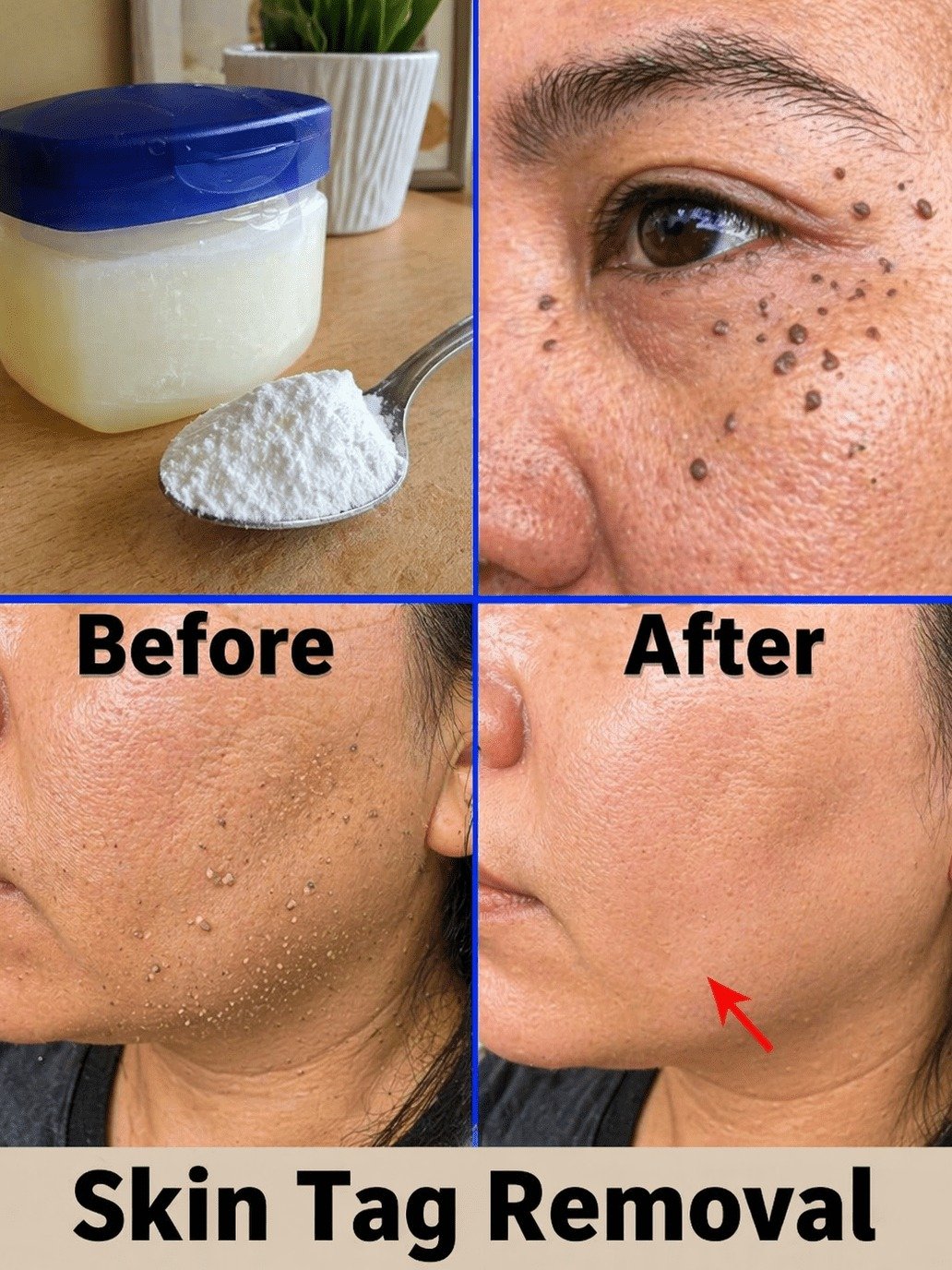
Try this simple, step-by-step daily routine that many people find helpful:
- Cleanse gently twice a day with a mild, non-foaming cleanser to remove dead skin without stripping your barrier.
- Apply a lightweight, non-comedogenic moisturizer—especially important if you’ve been using heavier creams around the eyes.
- Incorporate an over-the-counter retinoid like adapalene gel (a gentle form available without prescription) a few nights a week to promote healthy cell turnover.
- Use broad-spectrum sunscreen every morning, even indoors, because sun exposure can thicken skin and trap more keratin.
- Consider a mild chemical exfoliant containing alpha or beta hydroxy acids once or twice a week, but only after confirming your skin tolerates it well.
But hold on—prevention extends beyond just the products you apply. Your daily lifestyle habits play an equally significant role. Maintaining optimal hydration, consciously steering clear of excessively rich or occlusive eye creams, and cultivating patience are all integral components of this comprehensive approach. Many individuals who consistently follow these guidelines report observing a noticeably smoother skin texture within a matter of weeks.
When Professional Help Can Make a Real Difference
For those instances where milia prove exceptionally stubborn and resistant to at-home care, consulting a board-certified dermatologist represents the most intelligent and effective course of action. These skin specialists possess the expertise and sterile instruments to safely and efficiently remove individual cysts through a quick, in-office procedure. Beyond manual extraction, they might also suggest other advanced options, such as gentle chemical peels or, in specific situations, laser treatments designed to expertly resurface and rejuvenate the skin.
The truly beneficial aspect of professional intervention is that these treatments are primarily cosmetic, aimed at enhancing your appearance, and typically involve minimal downtime when executed by a skilled practitioner. Should your milia appear in clusters or stubbornly refuse to disappear after months of diligent home care, a brief consultation with a dermatologist can offer invaluable clarity and much-needed peace of mind.
Your Actionable Milia Prevention Checklist
To effectively prevent the formation of new milia and sustain a consistently clearer complexion over the long term, make sure these essential habits remain at the forefront of your daily routine:
- Choose non-comedogenic and fragrance-free products labeled “won’t clog pores.”
- Exfoliate gently—no harsh scrubs or abrasive tools.
- Apply eye creams sparingly and opt for lightweight formulas.
- Protect your skin daily with SPF 30 or higher.
- Avoid picking or using home extraction tools.
Following this checklist consistently can help your skin look smoother and feel more confident every day.
Wrapping It Up: Smoother Skin Is Within Reach
Ultimately, those persistent little white bumps don’t have to dictate your confidence or how you perceive your reflection. Simply grasping that milia are benign keratin cysts—and not blemishes you can forcefully scrub or squeeze into oblivion—already places you significantly ahead. Through a combination of gentle, informed skincare practices, judicious product selections, and professional consultation when necessary, the vast majority of individuals achieve notable enhancements in their skin’s overall texture and visual appeal. The profound truth many only realize later is that unwavering patience, combined with steadfast consistency, will always triumph over any fleeting quick-fix solution.
Frequently Asked Questions About Milia
What causes milia in adults?
For adults, milia frequently arise when keratin becomes trapped beneath the skin’s surface, often triggered by factors like excessive sun exposure, the use of overly rich or occlusive skincare products, or various forms of skin trauma. Distinct from the milia seen in infants, adult milia typically persist for extended periods unless addressed with consistent, appropriate care.
Can milia go away on their own?
Indeed, a significant number of milia cases do resolve spontaneously over several weeks or months, thanks to your skin’s inherent renewal processes. Nevertheless, particularly stubborn milia may significantly benefit from a targeted skincare regimen or professional intervention to safely accelerate their disappearance.
When should I see a dermatologist for white bumps?
It is highly advisable to consult a dermatologist if your white bumps persist despite diligent gentle home care, if they suddenly emerge in considerable numbers, or if their presence begins to negatively impact your self-confidence. A dermatologist can accurately diagnose milia and collaboratively determine the most appropriate and safest course of action for your skin.
Disclaimer: Please be aware that this article is intended solely for general informational purposes and should not be considered a replacement for expert medical advice. Always seek the counsel of a qualified healthcare provider or dermatologist for personalized recommendations concerning your specific skin conditions. Outcomes are not guaranteed and individual skin reactions may vary.