 By nguyentiendung24101994
 What if the humble apple, a fruit you’ve enjoyed your entire life, held a secret that could either cure disease or pose a hidden threat? For years, whispers and viral claims have circulated, branding apple seeds as ‘miracle seeds’ with the power to combat abnormal cell growth, sparking both fervent hope and deep-seated fear. On one hand, people dream of a simple, natural aid; on the other, alarming warnings about toxins leave many wondering if their favorite fruit is secretly dangerous. This constant tug-of-war has turned a simple, healthy snack into a source of widespread confusion and anxiety.
Navigating the maze of conflicting information online can be incredibly frustrating, making it nearly impossible to discern fact from fiction regarding what’s truly safe or beneficial. Thankfully, scientific research has meticulously examined the precise contents of these tiny seeds and observed their exact interactions within the human body. The actual truth, it turns out, is far more complex — and significantly less sensational — than the clickbait headlines would have you believe. By the time you finish reading, you will possess a clear understanding of what apple seeds actually do, why the audacious claims about their cancer-fighting abilities are unsubstantiated, and how you can confidently continue enjoying apples free from needless worry.
What Apple Seeds Actually Contain
Nestled within the very heart of one of the planet’s most beloved fruits, apple seeds might seem insignificant. However, each minuscule seed contains a naturally occurring chemical known as amygdalin. This compound is a type of cyanogenic glycoside, a substance also found in the kernels of apricots, peaches, and various other stone fruits.
As long as these seeds remain whole, their robust outer shell effectively locks away the amygdalin. Should you accidentally swallow one or two intact seeds, their tough exterior typically withstands the digestive process, allowing them to pass through your system largely without releasing the compound or causing any significant interaction.
The situation shifts dramatically only when these seeds are chewed, crushed, or ground into a fine consistency. Under such conditions, the amygdalin becomes exposed and can react with digestive enzymes and stomach acid, initiating a chemical reaction that liberates tiny quantities of hydrogen cyanide. Fortunately, your body possesses highly efficient natural detoxification mechanisms, primarily located in the liver, capable of neutralizing and eliminating these very small amounts without any adverse effects. The crucial factors here are both the amount consumed and the method of preparation.
The Origin of the Cancer Claims
Many decades ago, a refined version of amygdalin, commonly referred to as laetrile (and occasionally promoted under the guise of ‘vitamin B17’), began to capture significant interest within various alternative health communities. Its advocates proposed that it possessed the unique ability to target and release cyanide specifically within cancerous cells, leaving healthy tissues unharmed. This compelling notion quickly gained traction, fueled by powerful personal anecdotes and early, persuasive literature, resonating deeply with individuals searching for compassionate, natural alternatives during challenging health battles.
Eventually, this narrative extended to include common apple seeds and apricot kernels, captivating a wider audience due to their easy availability and minimal cost. However, these assertions consistently failed to progress beyond preliminary laboratory findings and individual testimonials, never translating into robust evidence from meticulously designed human clinical trials. Leading health organizations have consistently scrutinized this theory over the years, concluding that it fundamentally lacks scientific validation.
What Science Shows Actually Happens in Your Body
Upon entering the digestive system, particularly when crushed, apple seeds allow amygdalin to decompose into various constituent parts, one of which is hydrogen cyanide. This specific compound is known to disrupt the fundamental process by which cells utilize oxygen. However, when encountered in minuscule quantities, the human body is remarkably adept at detoxifying and expelling it with considerable efficiency.
Conversely, ingesting larger, deliberate amounts can potentially overload these natural detoxification systems, leading to noticeable symptoms like headaches, nausea, or dizziness. These are classic indicators that your body is being forced to work harder than its normal capacity. It’s crucial to understand that these effects do not signify a ‘therapeutic crisis’ or a beneficial ‘cleansing’ process; rather, they are merely the body’s response to handling a greater quantity of the compound than it can comfortably or safely manage.
Numerous studies and comprehensive toxicology reviews consistently highlight that any significant release of cyanide only occurs with the intentional consumption of substantial quantities of crushed or finely ground seeds over an extended period. For the vast majority of adults, simply enjoying whole apples as part of a regular diet will not lead to exposure levels that are remotely concerning.
| Situation | What Typically Happens | Level of Concern for Most People |
|---|---|---|
| Accidentally swallowing 1–2 whole seeds | Hard coating limits release; seeds usually pass through | Very low |
| Chewing seeds from 1–2 apples | Small release occurs; body manages trace amounts naturally | Low |
| Deliberately grinding and eating many seeds daily | Higher release possible; symptoms may appear if sustained | Higher if continued |
Why the Cancer Claims Lack Solid Support
While both laboratory experiments and animal studies have indeed delved into the properties and behavior of amygdalin, with some research noting alterations in cellular activity under strictly controlled environments, the critical challenge lies in translating these isolated findings into tangible, significant health benefits for human beings. This transition has consistently proven to be exceptionally difficult.
A pivotal clinical assessment conducted in the early 1980s, with backing from the National Cancer Institute, definitively concluded that laetrile offered no discernible anticancer activity in the patients who received it. In fact, cancer continued to advance in every participant, and a subset even reported adverse effects directly linked to cyanide exposure. Subsequent systematic reviews undertaken by prominent cancer organizations have consistently arrived at an identical conclusion: there exists no credible clinical evidence whatsoever to suggest that amygdalin or laetrile can effectively treat, prevent, or enhance the outcomes for cancer in humans.
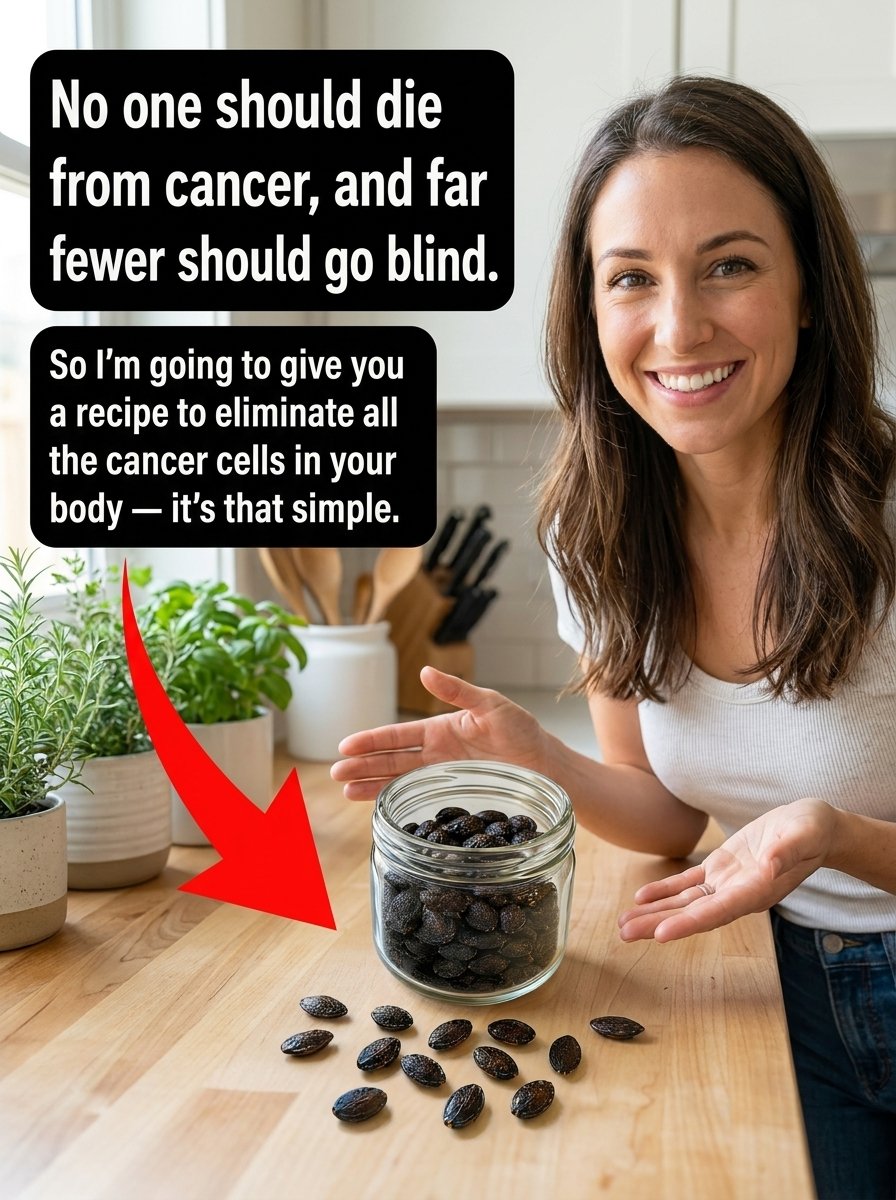
It’s important to remember that our bodies are constantly processing minute quantities of naturally occurring compounds derived from the foods we consume daily. When apple seeds are eaten in the usual manner, they fall squarely within this normal physiological pattern. The sensational and dramatic claims surrounding their supposed benefits simply lack the robust backing of rigorous human clinical trials required to substantiate such assertions.
How Much Is Actually Too Much?
Toxicological research provides reassuring data, suggesting that an adult would need to meticulously chew and ingest an exceptionally high number of apple seeds — frequently estimated to be in the hundreds, varying based on the specific apple variety and individual metabolic differences — before approaching a level of cyanide exposure that would be considered concerning. Considering that a standard apple typically contains only five to eight seeds, it becomes clear that achieving dangerous levels through routine eating habits would necessitate an extraordinary and prolonged effort, far beyond typical consumption.
The vast majority of individuals who inadvertently swallow one or two whole apple seeds will experience absolutely no adverse effects. The real concern primarily emerges when people actively follow misguided online advice, such as grinding entire apple cores into smoothies, or intentionally consuming highly concentrated forms of these compounds. When consumed in typical, everyday quantities, the compounds within apple seeds simply do not build up to dangerous levels within the body of an average, healthy adult.
Simple, Practical Steps to Enjoy Apples Confidently
You can absolutely continue to relish apples as a wholesome component of your balanced diet, effectively minimizing any theoretical anxieties. Implementing these simple habits requires virtually no additional effort or time:
- Whenever you’re slicing or blending apples, simply core them first and responsibly dispose of the core and its seeds.
- If you prefer eating an apple whole, just make sure to consume the succulent flesh and leave the central core, along with its seeds, untouched – there’s no need to chew them.
- When preparing homemade juices or smoothies, always remove the core and seeds beforehand; this proactive step prevents any unintended release of the compound into your drink.
- Keep any cut apples refrigerated and aim to consume them within a day or two. This small practice helps ensure you won’t be tempted to nibble at the core out of habit.
- Educate children to enjoy the delicious, fleshy parts of the apple while setting the core aside. Establishing this simple habit early on can prevent future questions and concerns.
By adopting these effortlessly simple adjustments, you can fully delight in the crisp texture, refreshing natural sweetness, and abundant fiber that apples offer, all without a moment’s hesitation or second-guessing each delicious bite.
The Bigger Picture for Lasting Wellness
While public discourse frequently fixates on isolated components of foods, true and enduring well-being is forged from consistent, holistic daily habits, rather than relying on the supposed magic of a single ingredient. A vibrant array of fruits and vegetables, consistent physical activity, restorative quality sleep, and regular preventative check-ups with trusted healthcare professionals collectively establish a far more robust and resilient foundation for your health.
Within this expansive tapestry of health, apple seeds emerge as merely a minor detail — neither a miraculous cure-all nor a sinister hidden danger, provided they are approached with a basic level of awareness. Whenever sensational narratives about common foods begin to spread, it’s incredibly beneficial to take a moment, pause, and critically evaluate what the overarching body of scientific evidence genuinely supports. Maintaining this balanced perspective empowers you to savor familiar foods with peace of mind, firmly rooted in practical, scientific reality.
Final Thoughts
To summarize, apple seeds do indeed contain a natural compound capable of releasing only trace amounts of cyanide, and this occurs exclusively when the seeds are crushed or thoroughly chewed in substantial quantities. For the majority of individuals, simply enjoying whole apples as part of their daily routine will not lead to any significant exposure. Furthermore, the persistent claims linking apple seeds to cancer treatment or prevention remain entirely unsubstantiated by rigorous clinical research in humans. By making the simple choice to core your apples when convenient and consciously avoiding chewing the seeds, you can confidently continue to enjoy this truly wholesome fruit.
Frequently Asked Questions
Will accidentally swallowing one or two apple seeds poison me?
Under typical conditions, if you happen to swallow a couple of whole apple seeds, they will generally pass through your digestive tract with minimal to no release of the compound, thanks to their robust, intact outer coating. The vast majority of people experience absolutely no symptoms whatsoever from such occasional, unintentional ingestion.
Is there any truth to claims that apple seeds can help fight or prevent cancer?
While some laboratory observations have investigated the compound present in apple seeds, leading health organizations have consistently stated that there is no reliable clinical evidence to suggest that consuming apple seeds can treat, prevent, or enhance outcomes for cancer in humans. Basing any health decisions on apple seeds for such purposes is entirely unsupported by current medical and scientific understanding.
What’s the best and safest way to prepare apples to completely avoid any concerns about the seeds?
The most straightforward approach is to always remove the core and seeds before you slice, blend, or juice your apples. If you’re eating an apple whole, simply savor the delicious outer flesh and leave the central core untouched. These simple practices ensure that apple seeds remain out of your digestive process, allowing you to fully enjoy all the wonderful flavor and essential nutrients the fruit provides.
Disclaimer: This article is for general informational purposes only and does not constitute medical advice. It is based on publicly available scientific understanding at the time of writing and may evolve with new research. Always consult a qualified healthcare professional for personalized guidance regarding your diet, health concerns, or any symptoms you may be experiencing. Never use information from this or any article as a substitute for professional medical care or to delay seeking treatment.