 By nguyentiendung24101994
 Imagine waking up to mysterious purple spots on your skin – not a bruise you remember, just… there. It’s easy to shrug them off as nothing, a minor discoloration that will disappear on its own, right? But what if those seemingly innocent marks are actually your body trying to tell you something critical, a silent alarm bell you can’t afford to ignore? While many people quickly dismiss these unexplained blemishes, understanding their true nature could be the difference between a fleeting concern and identifying an underlying health issue that demands prompt attention.
What Are Purple Spots on the Skin?
Those distinct purple or dark patches you see on your skin are essentially tiny internal bleeds. They form when minuscule blood vessels just beneath the skin’s surface rupture or leak, causing blood to collect in the surrounding tissue. Medical professionals refer to these as purpura or ecchymoses, with the distinction often based on their size. Crucially, unlike a typical rash that might briefly turn white when pressed, these spots retain their dark hue because the blood has already escaped the vessels and settled.
What makes them particularly noteworthy is their tendency to emerge on areas like arms, legs, or even the torso without any obvious trauma or impact, which is precisely why they warrant a much closer examination.
Common Causes of Purple Spots
This is where the mystery often begins. While purple spots aren’t always a harbinger of serious health problems, knowing the most frequent culprits can empower you to stay informed and proactive about your well-being.
1. Minor Injuries and Everyday Bruising
Even the slightest knock, a bump you barely registered, can be enough to damage the delicate capillaries under your skin. Initially, the spot appears purple, then gracefully shifts through shades of green and yellow as your body efficiently reabsorbs the pooled blood. This natural healing process typically resolves within 1 to 2 weeks.
2. Age-Related Skin Changes
As the years advance, our skin naturally becomes thinner and loses some of its essential protective fat layer. Concurrently, blood vessels grow more fragile, particularly in areas frequently exposed to the sun. Extensive research published in leading dermatology journals confirms that this phenomenon, known as “senile purpura” or “actinic purpura,” is incredibly common after the age of 60 and can manifest from even minimal pressure.
3. Medications That Affect Blood Clotting
If you’re taking blood-thinning medications such as aspirin, warfarin, or newer anticoagulants, you might find yourself bruising much more easily. Similarly, certain steroids and various anti-inflammatory drugs can also contribute to this effect. Should you be on any of these prescriptions and notice a consistent appearance of new spots, it’s definitely a point to discuss with your doctor during your next visit.
4. Low Platelet Levels and Blood Disorders
Platelets are the tiny blood cells crucial for forming clots and stopping bleeding. When their count drops significantly—a situation that can arise from immune conditions, bone marrow disorders, or specific conditions like immune thrombocytopenia (ITP)—you might spontaneously develop tiny pinprick purple spots (called petechiae) or even larger purple patches without any injury.
5. Vitamin Deficiencies
A critical shortage of vitamin C can severely compromise the integrity of blood vessel walls, making them more prone to leakage. Scientific studies consistently link insufficient levels of vitamin C (and sometimes vitamin K) to an increased tendency for easy bruising and purpura, especially in individuals with restricted dietary habits or malabsorption issues.
6. Serious Infections and Immune Conditions
In some cases, severe infections or autoimmune disorders can trigger inflammation within blood vessels or disrupt the body’s intricate clotting mechanisms. When this occurs, purple spots may not only appear but can also spread rapidly, often accompanied by a range of other concerning symptoms.
But hold on—there’s more to uncover. While the causes listed above span from the everyday to the potentially serious, many individuals still find themselves grappling with uncertainty about which category applies to their specific situation.
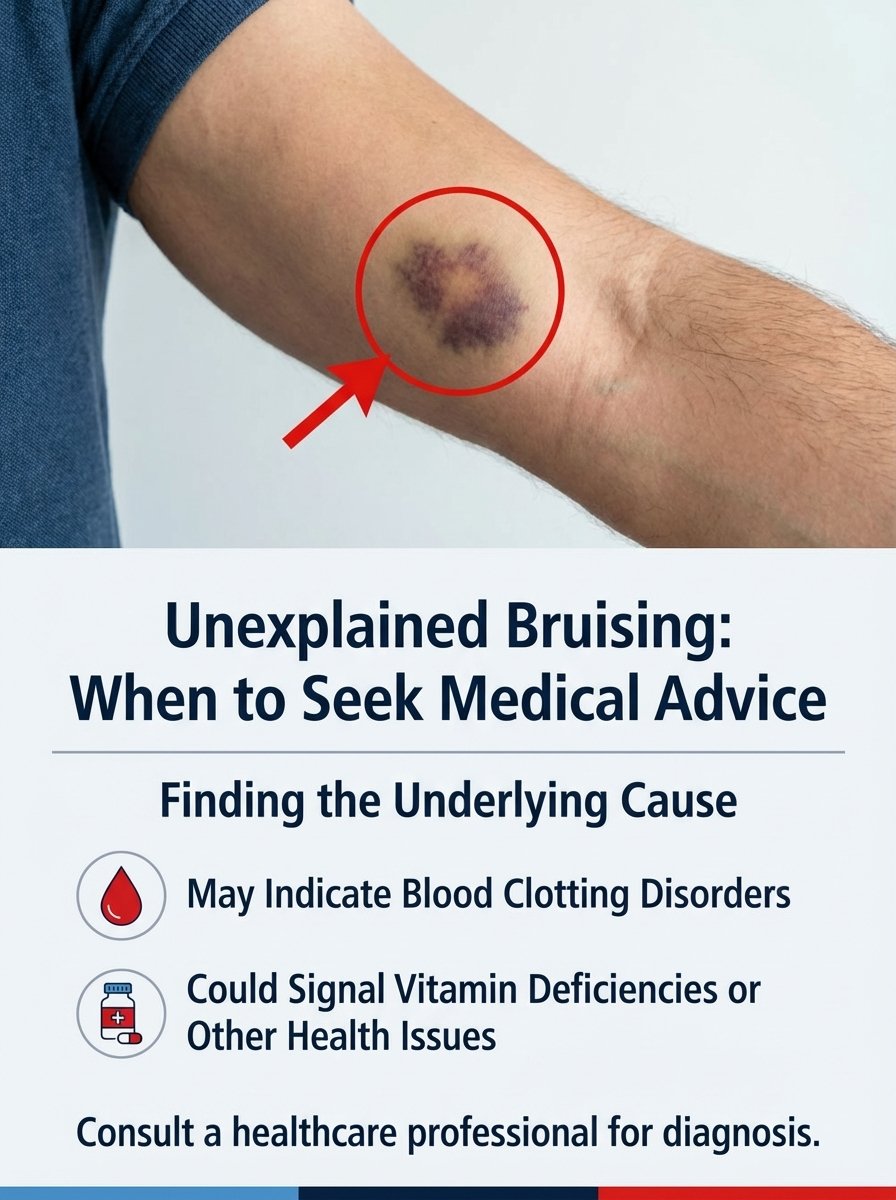
When Purple Spots Deserve Immediate Medical Attention
While most minor bruises are harmless and will resolve on their own, certain unmistakable red flags indicate that it’s absolutely crucial to contact a healthcare provider without delay:
- The spots appear suddenly, without any preceding injury or trauma.
- They begin to spread rapidly across your body or significantly increase in size.
- You simultaneously observe bleeding from your gums, nosebleeds, or notice unusually easy bruising in other areas of your body.
- The spots are accompanied by unexplained fatigue, a persistent fever, unusual weakness, or new joint pain.
- You are currently taking blood-thinning medication, and new spots continue to emerge frequently.
These specific indicators can sometimes be critical clues pointing toward underlying conditions that necessitate prompt medical evaluation. Often, a combination of simple blood tests and a quick physical examination can swiftly clarify whether these spots are benign or part of a more serious health concern requiring immediate intervention.
What You Can Do at Home Right Now
While you await a professional medical opinion (or as minor bruises naturally heal), there are several practical steps you can take from the comfort of your home to support your skin and enhance your overall well-being:
- Apply cold therapy immediately after any minor bump: Gently wrap ice in a clean cloth and hold it on the affected area for 10–15 minutes, repeating several times a day. This helps constrict blood vessels and limit the extent of blood leakage.
- Keep the affected area elevated whenever feasible, as this simple action can help reduce blood pooling and swelling.
- Protect fragile skin: Opt for long sleeves or pants, especially when in sun-exposed environments, and steer clear of rough fabrics that could exert additional pressure or friction on delicate areas.
- Support your nutrition: Actively incorporate an abundance of vitamin C-rich foods into your diet, such as citrus fruits, various berries, and bell peppers. Staying well-hydrated is also key. These small, consistent daily habits can significantly strengthen blood vessel walls over time.
- Track your spots: Make it a habit to take dated photographs of any new or changing spots and meticulously note down any accompanying symptoms you experience. This detailed information will be invaluable in helping your doctor quickly understand the full progression and context.
Remember, these proactive measures are designed to provide comfort and control as you navigate your next steps; they are not a substitute for professional medical advice or a definitive diagnosis.
Final Thoughts
In many instances, those purple or dark spots appearing on your skin are indeed quite minor—often a simple consequence of a forgotten bump or a natural sign of aging. Yet, when they emerge without a clear explanation, persist stubbornly, or repeatedly return, they can be your body’s subtle but insistent way of signaling that it’s time for a closer look. By becoming adept at recognizing the most common causes, diligently watching for critical warning signs, and implementing straightforward home care strategies, you empower yourself to be proactive rather than merely reactive to your body’s signals.
Here’s the surprising insight many individuals tend to overlook: a significant number of cases often show dramatic improvement once underlying issues like vitamin deficiencies, medication adjustments, or minor clotting problems are gently and effectively addressed with expert professional guidance. Paying attention to what your skin communicates early on is a powerful way to stay one crucial step ahead of potentially more significant health concerns.
FAQ
Are purple spots on skin always serious?
Absolutely not. Many are entirely harmless, stemming from everyday bruises or common age-related skin changes. However, any spots that appear suddenly, spread rapidly, or remain unexplained should always prompt a doctor’s evaluation to definitively rule out any underlying health concerns.
How long do purple spots usually take to fade?
Typical bruises will naturally change color and completely vanish within approximately 1 to 2 weeks. Spots that are linked to specific medications or more complex health conditions, however, may linger for longer periods or continue to reappear until the root cause is properly identified and managed.
Can diet or lifestyle changes prevent new purple spots?
Adopting a well-balanced diet rich in essential vitamins C and K, consistently practicing gentle skin protection, and consciously avoiding unnecessary trauma can certainly contribute to reducing your risk—especially if you are older or currently on certain medications. Always remember to consult with your doctor before making any substantial dietary or lifestyle modifications.
Disclaimer
This article is provided for educational purposes only and should not be considered a substitute for professional medical advice, diagnosis, or treatment. If you observe any new or concerning purple spots on your skin, it is imperative to consult a qualified healthcare provider for a personalized and thorough evaluation.