 By nguyentiendung24101994
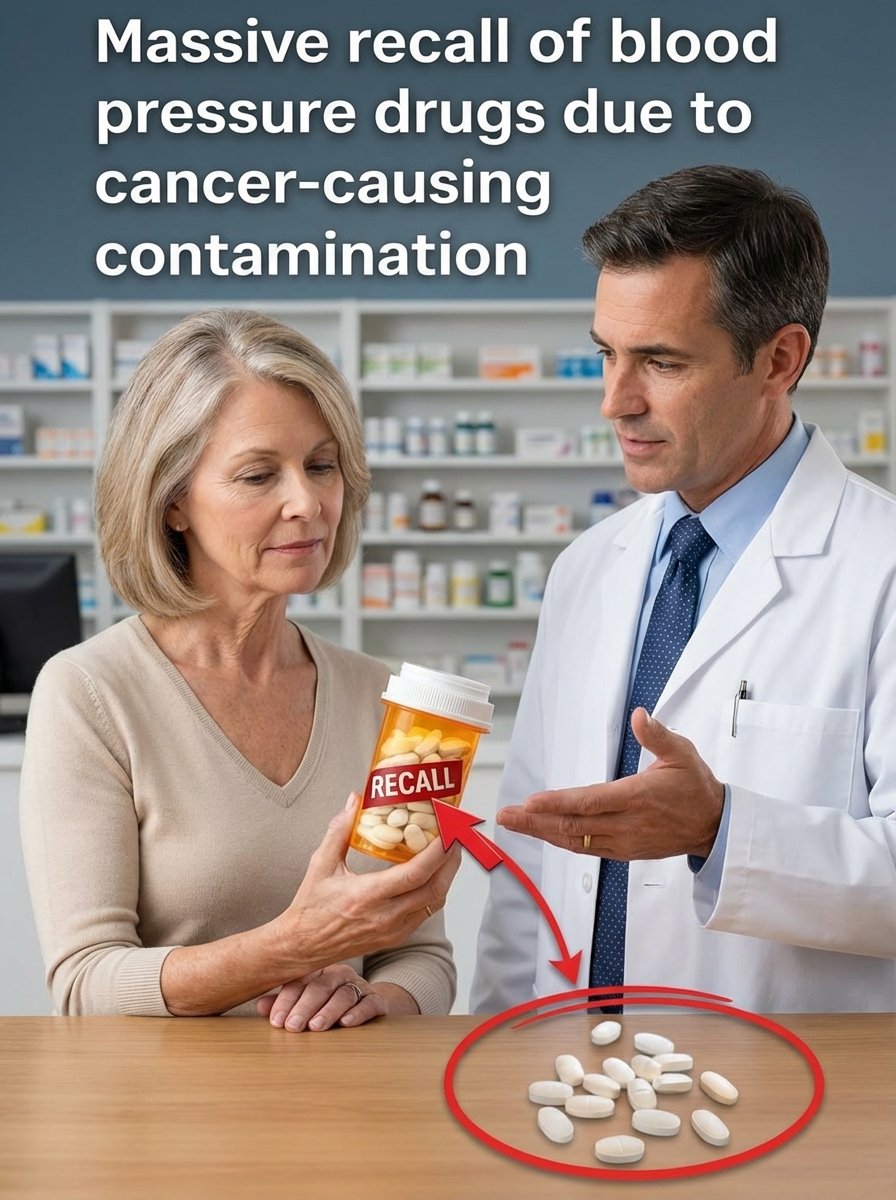
 Imagine reaching for your daily blood pressure medication, only to wonder if the very pill meant to protect your heart could actually be putting it at risk. This isn’t a hypothetical scenario; it’s the unsettling reality for millions right now as a massive recall impacts over half a million bottles of a common blood pressure drug, prazosin, due to potential cancer-linked contaminants. It’s completely natural to feel a surge of concern and uncertainty when news like this breaks, especially when you rely on these medications daily for your cardiovascular health. The good news is that by taking a few clear, actionable steps today, you can quickly determine if your prescription is affected and safeguard your well-being without unnecessary alarm. Plus, understanding the mechanics of these recalls, even if your current medication isn’t involved, will equip you with vital knowledge to confidently navigate any future prescription concerns.
What Exactly Happened in This Blood Pressure Drug Recall?
In a significant announcement made in late October 2025, Teva Pharmaceuticals USA, along with its distributor Amerisource Health Services, initiated a voluntary nationwide recall. This recall targets over 580,000 bottles of prazosin hydrochloride capsules. The U.S. Food and Drug Administration (FDA) designated this a Class II recall, a classification issued after laboratory tests detected concerning levels of a specific nitrosamine impurity, identified as N-nitroso prazosin impurity C.
Prazosin, a widely used alpha-blocker, plays a crucial role in relaxing blood vessels, thereby effectively managing high blood pressure. Beyond its primary use, it’s also prescribed for other medical conditions, including specific symptoms associated with PTSD. It’s important to note that this recall specifically targets particular batches of the 1 mg, 2 mg, and 5 mg capsules, with affected products having expiration dates reaching into 2025 and 2026.
It’s vital to understand this crucial detail: not all prazosin medications, nor every blood pressure drug on the market, is implicated in this recall. The FDA has clearly stated that the potential health risk posed by these low-level impurities is generally viewed as minimal, especially with short-term exposure. This precautionary recall demonstrates that both manufacturers and regulatory bodies are committed to acting swiftly to uphold public safety.
Why Do Nitrosamine Impurities Appear in Medications?
Nitrosamines are chemical compounds that can inadvertently emerge during the complex manufacturing process or over the storage period of certain pharmaceutical products. Although these substances exist naturally in trace quantities within various foods and even drinking water, the FDA imposes extremely stringent limits for their presence in medications. This strict regulation is specifically designed to mitigate any potential long-term health risks associated with pharmaceutical exposure.
For this particular recall, the identified impurity surpassed the acceptable daily intake levels as stipulated by the agency’s rigorous guidelines. Thanks to ongoing research and advancements in testing methodologies, the pharmaceutical industry has become increasingly adept at detecting and resolving such issues. In fact, similar nitrosamine-related concerns have triggered recalls involving other blood pressure medications in recent years, a trend that has ultimately led to more robust and comprehensive quality control measures throughout the industry.
The reality is that our pharmaceutical system is fortified with multiple layers of stringent oversight, meticulously designed to identify and intercept such problems at their earliest stages. This continuous monitoring by the FDA is precisely what ensures that any emerging issues are met with prompt and decisive action, protecting consumers.
How to Check If Your Medication Is Affected by the Recall
Here’s the single most critical piece of advice: under no circumstances should you suddenly discontinue your blood pressure medication without first speaking with your doctor or pharmacist. Abruptly stopping this vital treatment can lead to a dangerous and sudden spike in your blood pressure, introducing a whole new array of health risks.
To quickly determine if your medication is impacted and take appropriate action, here’s a straightforward, step-by-step process you can easily follow right now:
- Carefully inspect the label on your medication bottle. Look for key details such as the manufacturer’s name (Teva), the specific drug name (prazosin hydrochloride), the dosage strength (1 mg, 2 mg, or 5 mg), the unique lot number, and the expiration date.
- Access the official FDA recall page or navigate to your pharmacy’s dedicated website. There, you can cross-reference your medication’s lot number with the comprehensive list of recalled products.
- Contact your local pharmacy directly. They possess the resources to swiftly verify your specific prescription details and can typically facilitate a free replacement or issue a refund if your medication is part of the recall.
- If your medication is indeed affected, promptly schedule a consultation with your healthcare provider to explore and discuss suitable alternative treatment options.
Rest assured, numerous safe and effective alternative treatments are available, both within the alpha-blocker class and other categories of blood pressure medications. Your doctor is uniquely positioned to guide you in selecting the ideal option that perfectly aligns with your specific health profile and requirements.
Quick Checklist for Immediate Peace of Mind:
- Verify that the manufacturer and dosage strength on your bottle correspond to the recall information.
- Carefully note down your medication’s lot number and expiration date for easy reference.
- Do not hesitate to contact your pharmacist or doctor immediately with any questions or concerns.
- Adhere to proper medication disposal protocols, ideally through pharmacy take-back programs, and never dispose of medications in household trash or flush them down the toilet.
What This Recall Means for Your Daily Health Routine
While receiving news of a medication recall, especially concerning a drug you rely on, can undoubtedly feel unsettling when you’re diligently managing your blood pressure, it’s crucial to maintain perspective. Numerous studies consistently demonstrate that millions of individuals effectively control their condition by combining prescribed medical treatments with strategic, healthy lifestyle choices.
This recent event serves as a powerful and timely reminder of how essential it is to remain well-informed about your health and medications. The underlying truth is that recalls like this vividly illustrate the effectiveness of the safety mechanisms built into our pharmaceutical system. Furthermore, extensive research published in reputable medical journals consistently emphasizes that consistently maintaining optimal blood pressure levels is paramount for safeguarding long-term heart and vascular health.
However, the impact doesn’t stop there. For many, moments like these can serve as a potent catalyst, inspiring them to cultivate even more robust daily habits that perfectly complement their prescribed medical care and enhance their overall well-being.
Actionable Tips You Can Start Today to Support Healthy Blood Pressure
There’s no need to delay positive changes until your next doctor’s appointment. The following practical and impactful steps can be seamlessly integrated into your daily routine, starting today:
- Monitor your blood pressure at home: Acquire a clinically validated home blood pressure monitor. Make it a habit to take readings at consistent times each day and meticulously log these measurements to share with your healthcare provider.
- Incorporate daily movement: Strive for a minimum of 30 minutes of moderate physical activity, such as brisk walking, on most days of the week. Regular exercise is incredibly effective in helping your body naturally regulate blood pressure.
- Optimize your diet: Focus on significantly reducing sodium intake while simultaneously increasing your consumption of potassium-rich foods like bananas, spinach, and sweet potatoes. Prioritize fresh, whole foods and limit heavily processed options.
- Make rest and relaxation a priority: Ensuring you get quality sleep and practicing stress-reduction techniques, such as deep breathing exercises or mindfulness, are vital for maintaining cardiovascular balance.
- Maintain proper hydration: Consuming sufficient water throughout the day is crucial, as it supports healthy blood volume and optimizes circulation across your entire body.
It’s often the small, consistent actions, rather than drastic, unsustainable overhauls, that produce the most significant and lasting health improvements. Health experts consistently affirm that integrating these powerful lifestyle approaches with your prescribed medical regimen typically leads to superior overall health outcomes.
Understanding the Bigger Picture of Medication Safety
While the pharmaceutical industry and regulatory bodies like the FDA uphold incredibly rigorous standards, the sheer complexity of large-scale drug production means that occasional issues can still emerge. The mechanism of voluntary recalls, once a problem is detected, ensures the rapid and efficient removal of any affected products from circulation, safeguarding public health.
This recent prazosin recall powerfully reiterates the immense value of remaining informed and proactive, yet without succumbing to overreaction. Remember, your doctor and pharmacist stand as your most invaluable resources, offering personalized guidance meticulously tailored to your unique medical history.
Should general concerns about nitrosamines weigh on your mind, it’s helpful to recall that these compounds are naturally present in trace amounts in various everyday items, including certain cured meats. As emphasized by FDA guidance, the overall context and cumulative exposure levels are critical factors in assessing any potential risk.
FAQ
What immediate steps should I take if I suspect my prazosin medication is part of this recall?
It is imperative to contact your pharmacy or healthcare provider without delay. They are equipped to verify if your specific medication lot is affected and can assist in arranging a safe replacement. Always prioritize professional medical guidance before making any alterations to your prescribed medication.
How significant is the potential cancer risk associated with this recall?
According to leading health authorities, the risk posed by these low-level impurities is considered very small, particularly when factoring in typical short-term exposure. This recall was primarily initiated as an abundance of caution to ensure public safety.
Is it possible for lifestyle modifications to completely replace my prescribed blood pressure medication?
While adopting healthy lifestyle habits can significantly and positively impact blood pressure management, any decision regarding the adjustment or discontinuation of your medication must originate directly from your doctor. Such changes should always be based on a thorough evaluation of your personal health profile and current blood pressure readings.
Final Thoughts
Navigating news of a blood pressure medication recall, such as the recent prazosin issue, can undoubtedly induce initial stress and anxiety. However, by proactively inspecting your medication bottles, engaging with trusted healthcare professionals, and reinforcing your daily wellness habits, you empower yourself to effectively take control of the situation.
Always remember that your health journey is profoundly personal and unique. Taking small, proactive steps today will cultivate lasting confidence in your ability to effectively manage your blood pressure for many years ahead. Remain informed, maintain open communication with your dedicated care team, and consistently prioritize the strategies that yield the best results for your individual well-being.
Disclaimer: This article is for informational purposes only and is not a substitute for professional medical advice. Always consult your healthcare provider or pharmacist before making any changes to your medications or health routine. Individual circumstances vary, and only a qualified professional can provide advice tailored to your specific needs.