 By nguyentiendung24101994
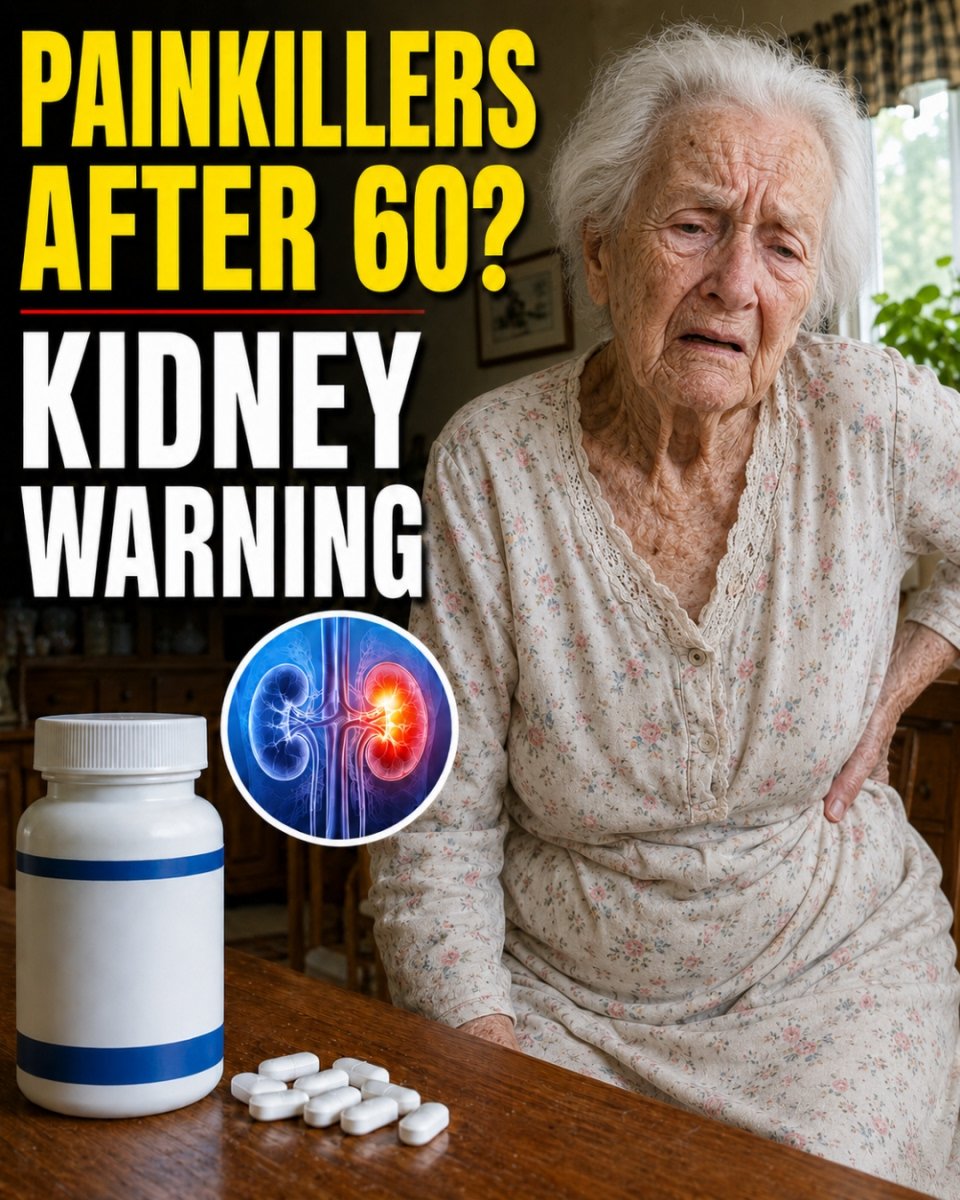
 Imagine reaching for that familiar pain pill, hoping for quick relief from aches and stiffness, only to unknowingly put one of your body’s most vital organs at risk. For millions over 60, this isn’t a hypothetical scenario but a silent danger lurking in medicine cabinets. While the desire for fast relief from daily stiffness, backaches, and joint discomfort is completely natural, the truth about how common over-the-counter pain relievers impact kidney function, particularly as we age, often goes unnoticed. Your kidneys tirelessly filter waste and maintain crucial fluid balance, yet certain medications can quietly reduce their blood flow or impose undue stress with regular use. The good news? By understanding these interactions and making a few simple, informed adjustments, you can effectively safeguard both your comfort and your long-term kidney health – and we’re here to guide you through exactly how.
Why Your Kidneys Need Extra Vigilance After Age 60
It’s a natural part of aging: kidney function typically sees a gradual decline, often by about one percent annually once you hit 40. This inherent physiological change means your kidneys inherently possess less functional reserve to cope with additional demands. Furthermore, a significant number of individuals in their sixties and beyond are simultaneously navigating other prevalent health issues, such as elevated blood pressure or various heart conditions, all of which can further compromise the kidneys’ ability to function optimally.
Compounding this, dehydration becomes a more frequent concern, whether due to a diminished sense of thirst or as a side effect of specific medications. When your body experiences a fluid deficit, your kidneys must exert extra effort to conserve water, placing them under considerable strain. Introducing certain pain relievers into this already vulnerable state can further restrict the blood flow vital for these organs. The National Kidney Foundation explicitly highlights that this challenging combination significantly increases the risk of kidney-related complications, especially with consistent or high-dose medication use.
The Surprising Ways Common Painkillers Can Impact Your Kidneys
The primary area of concern centers around nonsteroidal anti-inflammatory drugs, widely known as NSAIDs. This category encompasses familiar medications like ibuprofen (the active ingredient in Advil and Motrin) and naproxen (found in Aleve). Their mechanism of action involves inhibiting enzymes that trigger inflammation, which, in turn, impacts compounds called prostaglandins. Under normal circumstances, prostaglandins play a crucial role in maintaining sufficiently wide blood vessels within the kidneys, essential for efficient filtration. When this vital support is diminished, blood flow can decrease, potentially leading to significant stress on these delicate organs.
In contrast, acetaminophen, the active component in Tylenol, operates through a distinct pathway. Its primary action targets pain signals within the brain, rather than broadly suppressing inflammation across the entire body. Due to this unique mechanism, acetaminophen is typically considered to exert a less direct influence on kidney blood flow when administered within recommended dosage guidelines. Nevertheless, careful usage remains imperative, particularly concerning the total daily intake and any pre-existing liver health conditions.
Topical pain relief options, including creams, gels, and patches that contain ingredients like diclofenac, are designed to deliver medication primarily to the localized area of application. Consequently, only a minimal amount of the active ingredient typically enters the bloodstream. This localized action is precisely why many medical professionals often view them as a lower-risk alternative for managing specific aches and pains, provided they are used exactly as instructed.
Could you be at higher risk? Here are the critical factors that can increase your vulnerability:
- Age over 60, when kidney reserve is naturally lower
- Existing reduced kidney function or chronic kidney disease
- Dehydration or low fluid intake
- Heart conditions or heart failure
- High blood pressure, especially when treated with ACE inhibitors, ARBs, or diuretics
- Long-term or high-dose use of NSAIDs
- Taking multiple medications that affect the kidneys
The Startling Truth: What Research Reveals About Painkillers and Your Kidneys
Numerous studies focused on older adults have consistently highlighted a clear link between routine NSAID use and measurable shifts in kidney function. For instance, an in-depth analysis conducted on a substantial community-based cohort of seniors uncovered a compelling correlation: significant cumulative exposure to NSAIDs was associated with a staggering 26 percent greater probability of accelerated progression of chronic kidney disease. Further investigations have also documented elevated incidences of acute kidney stress among individuals over 65 who regularly took these medications, especially when compounded by other pre-existing risk factors.
The National Kidney Foundation issues a strong recommendation: individuals with a lower estimated glomerular filtration rate (eGFR) – particularly those below 60 – should typically steer clear of NSAIDs unless explicitly advised by a qualified healthcare professional. Even for those without a formal diagnosis of kidney disease, the combined impact of aging and consistent NSAID consumption demands careful thought and discussion. While these findings don’t imply that occasional, brief use is universally detrimental, they powerfully underscore why many physicians advocate for heightened caution and routine medical evaluations.
Smarter Choices: Safer Pain Relief Strategies You Need to Know About
Given the vast spectrum of individual health circumstances, the absolute first and most crucial action you can take is to engage in a comprehensive discussion with your doctor or pharmacist. These professionals possess a complete understanding of your medical history and all current medications, enabling them to thoroughly review your latest kidney function test results, other prescriptions, and your overall health profile to recommend the safest and most effective pain management strategy tailored specifically for you.
Should medication prove necessary, a common recommendation from many healthcare providers is to commence with the absolute lowest effective dose for the briefest duration required. Acetaminophen is often highlighted as a primary choice for various types of pain, especially when kidney health is a consideration, as long as the total daily intake remains strictly within prescribed limits (typically no more than 3,000 mg over a 24-hour period for most adults, though your doctor might suggest a different amount based on your specific needs). Diligently scrutinizing product labels is essential to prevent inadvertently consuming additional acetaminophen, which is often hidden in combination cold or flu medications.
Topical treatments provide a fantastic way to deliver targeted relief directly to aching joints or muscles, minimizing systemic exposure to medication. Complementary approaches like gentle heat or cold therapy, the appropriate use of supportive braces, and brief periods of rest are also incredibly beneficial. Remember, the ultimate aim isn’t to instantly eradicate all discomfort, but rather to foster consistent, sustainable improvements that empower you to maintain an active and fulfilling lifestyle.
Your Immediate Action Plan: Simple Steps to Protect Your Kidneys Starting Today
- Conduct a personal medication audit. Take a few moments to meticulously list every pain reliever you’ve used over the past month, noting the frequency and specific doses. This crucial inventory should be brought to your very next medical appointment.
- Engage in proactive questioning. Insist on knowing your most recent kidney function indicators, specifically your eGFR and creatinine levels. Discuss openly whether any pain relievers you currently use are truly appropriate for your individual health profile, and inquire about potential interactions with all your other medications.
- Make hydration and consistent movement non-negotiable. Consciously sip water throughout your day, unless your physician has specifically recommended fluid restrictions. Incorporate brief, gentle walks or professional-approved chair exercises to boost circulation and enhance joint comfort.
- Opt for non-pharmacological relief for minor discomfort. Before reaching for a pill, try applying a warm compress for 15-20 minutes, practicing calming deep breathing techniques, or using a topical rub directly on the affected area. Many individuals discover these simple interventions significantly reduce their reliance on oral medications.
- Cultivate a robust support network. Explore working with a physical therapist to develop a personalized movement regimen, or inquire about safe, effective stretching routines you can perform independently at home. Engaging with beginner-friendly tai chi or chair yoga videos specifically tailored for seniors can remarkably enhance balance and progressively alleviate stiffness.
- Commit to routine health screenings. Even when you feel perfectly fine, consistent laboratory testing is instrumental in detecting any subtle physiological changes early on. This proactive approach provides both you and your doctor with the vital data necessary to make timely and informed adjustments to your health plan.
Beyond Pills: Effective Non-Medication Strategies for Pain Relief
- Gentle physical activity, including activities like walking, swimming, or using a stationary bicycle, is excellent for preserving muscle strength and enhancing joint mobility without putting undue stress on your body.
- Mindfulness and relaxation techniques such as meditation, guided breathing exercises, or simply listening to soothing music, can remarkably diminish your perception of pain and effectively alleviate muscle tension.
- Prioritizing quality sleep and adopting an anti-inflammatory dietary regimen – one abundant in fresh vegetables, vibrant fruits, hearty whole grains, and beneficial healthy fats – profoundly supports your body’s overall recovery processes and energy levels.
- Thoughtful application of heat, cold, or gentle massage can provide targeted comfort and significantly improve well-being in specific areas, complementing your other pain management efforts.
The greatest efficacy of these strategies is realized when they are meticulously customized to align with your individual capabilities and personal preferences. A trusted healthcare provider or an experienced physical therapist can expertly guide you in selecting the most suitable options for your unique circumstances.
Bringing It All Together: Your Path to Smarter Pain Management
Pain serves as a crucial signal that demands our attention, and the decisions we make in response profoundly shape both our immediate daily comfort and our long-term health trajectory. For those over 60, exercising heightened mindfulness regarding kidney health when selecting pain relief is one of the most benevolent actions you can take for yourself and for those who rely on you. While the scientific evidence undeniably underscores the importance of awareness, this narrative extends far beyond mere caution; it empowers you with actionable, real-world strategies.
You now possess a significantly clearer understanding of why specific painkillers warrant greater consideration, which alternatives generally pose a lower risk to kidney health, and precisely what questions and lifestyle habits can actively safeguard your overall well-being. Your immediate next step is to integrate this vital knowledge into your upcoming discussion with your healthcare provider and commit to initiating one or two small, manageable changes. Trust that your kidneys – and your future, healthier self – will undoubtedly express their gratitude.
Frequently Asked Questions: Getting the Answers You Need
Is it truly safe to take ibuprofen occasionally if I’m over 60 and believe I have no kidney problems?
While infrequent, short-term use at the absolute lowest effective dose might be deemed acceptable for certain individuals, it’s crucial to remember that age alone amplifies kidney vulnerability. The most prudent course of action is always to consult your doctor or pharmacist beforehand, particularly if you are on other medications or manage conditions like high blood pressure or heart issues. They are best equipped to review your specific health profile and provide personalized guidance.
When kidney function is a worry, what pain relief options are typically recommended?
Many healthcare professionals frequently suggest acetaminophen as a primary choice, largely because its mechanism of action differs from NSAIDs, and it generally exerts less direct impact on kidney blood flow when taken at appropriate doses. Additionally, topical treatments and various non-medication strategies are widely endorsed. Your doctor remains the best resource to help identify the most suitable options for your unique health situation and kidney function readings.
What signs might indicate that my pain medication is impacting my kidneys?
Any noticeable alterations in your urination patterns, unexplained swelling in your legs or around your eyes, persistent or unusual fatigue, or new discomfort in your back near the kidney region are all symptoms that warrant immediate discussion with your doctor. While these signs can stem from various causes, a professional evaluation coupled with laboratory tests is the sole dependable method to accurately diagnose the underlying issue. Consistent monitoring offers the most definitive insights.
Disclaimer: This article is for general informational purposes only and is not intended as medical advice, diagnosis, or treatment. It does not replace personalized guidance from a qualified healthcare professional. Always consult your doctor or pharmacist before starting, stopping, or changing any medication, and discuss your individual health history, current medications, and kidney function results. Research findings and guidelines can evolve; professional medical advice should be sought for any health concerns.