 By nguyentiendung24101994
 Ever caught a glimpse of your skin and wondered, “What are these small white spots?” You’re not alone. Those lighter patches popping up on your arms, back, face, or chest can be puzzling, sometimes even a little unsettling, especially when they become more visible after a day in the sun. It’s completely natural to feel a touch uneasy when your skin starts to look different, potentially impacting your confidence if these spots are in prominent areas or seem to be multiplying. The good news, however, is that the vast majority of small white spots on skin are linked to very common, often harmless processes, rather than anything truly serious.
But here’s the crucial insight many people miss until they delve deeper: understanding the most frequent causes can empower you to implement simple, yet incredibly effective, strategies to nurture your skin and confidently know precisely when it’s time to consult a healthcare professional. Stay with me through this comprehensive guide, because the actionable advice and clear answers you’ll find could fundamentally reshape your daily skincare approach, starting today.
Unmasking the Mystery: Why Small White Spots Appear on Your Skin
These small white spots, medically termed hypopigmented macules, emerge when specific areas of your skin either produce insufficient melanin – the vital pigment responsible for skin color – or when the very cells designed to produce this pigment are somehow compromised. This phenomenon can be triggered by a range of factors, including years of cumulative sun exposure, localized skin inflammation, an overgrowth of certain fungi, or even autoimmune activity. Dermatologists regularly encounter these conditions, and the reassuring news is that most are benign and respond well to management.
Leading dermatology institutions like the Cleveland Clinic consistently highlight that a thorough visual examination is typically sufficient for diagnosis. However, in some instances, specialized tools like a Wood’s lamp exam or even a biopsy might be employed to definitively confirm the underlying cause. Ultimately, the key lies in recognizing these patterns, enabling you to proactively safeguard your skin and know precisely when to seek expert medical care.
Idiopathic Guttate Hypomelanosis: The “Reverse Freckles” from Sun Exposure
Among the most frequently observed small white spots by dermatologists in adult patients are those linked to idiopathic guttate hypomelanosis. Often colloquially referred to as “white sun spots” or even “reverse freckles,” these manifest as tiny, distinctively round, and flat white dots, typically ranging from 1 to 5 mm in diameter. They often present with a characteristic raindrop-like appearance, predominantly surfacing on areas of the body that receive significant sun exposure, such as the shins, forearms, upper back, and chest.
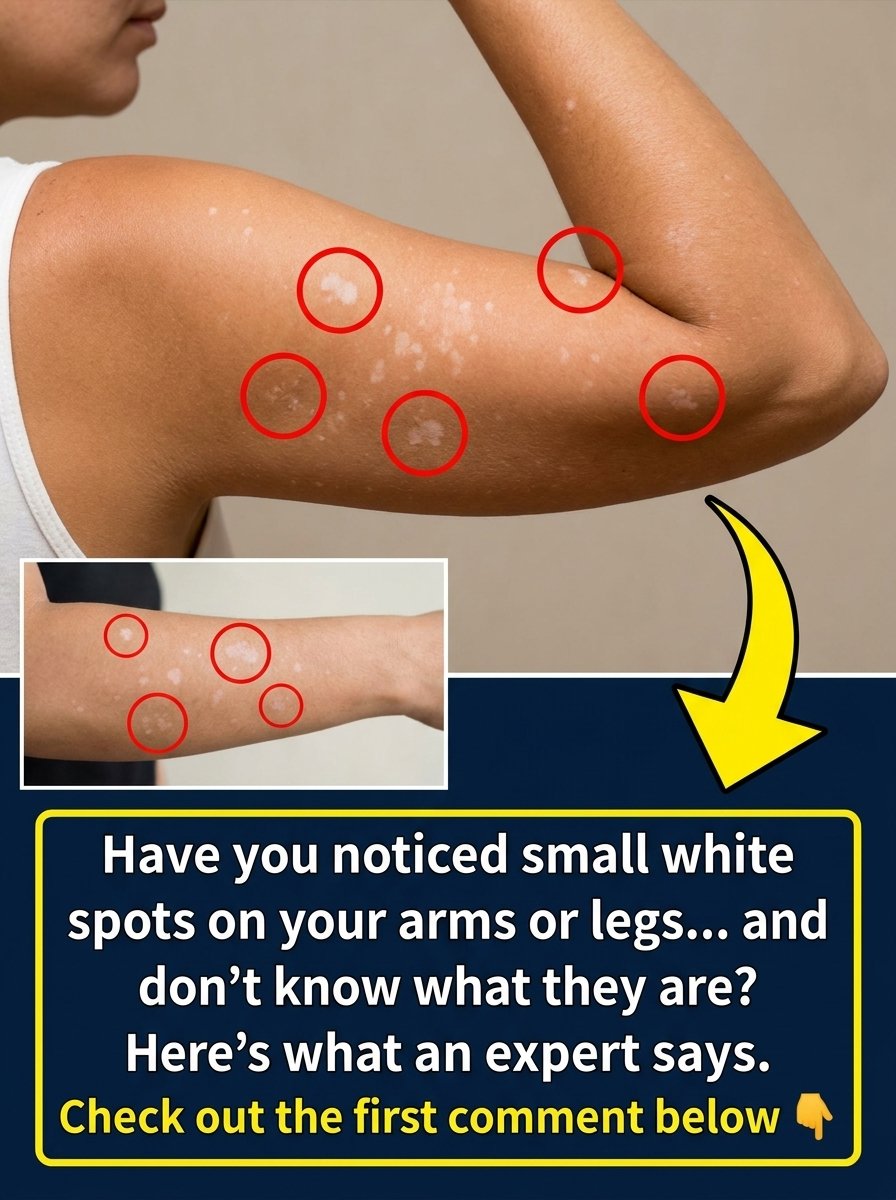
Extensive research firmly establishes a strong connection between these spots and decades of cumulative ultraviolet (UV) exposure, compounded by the natural aging process. Over time, the melanocytes—the cells responsible for producing melanin—in these specific areas become less active or sustain damage, resulting in the formation of permanent lighter spots. They tend to be more conspicuous on individuals with lighter skin tones or those who have experienced significant sun damage, typically making their debut after the age of 40.
Crucially, these spots are entirely harmless and do not cause any itching or pain. However, it’s common for the surrounding skin to exhibit other tell-tale signs of sun damage, such as fine lines or brown age spots. The reality is, once these spots have developed, they rarely disappear entirely on their own. Nevertheless, diligent and consistent sun protection is an invaluable strategy to prevent the formation of new ones.
Tinea Versicolor: The Yeast-Related Pigment Puzzle
Another frequent suspect behind small white spots, particularly prevalent in warmer or more humid environments, is tinea versicolor (also known as pityriasis versicolor). This incredibly common fungal skin condition arises when a type of yeast called Malassezia, which naturally inhabits our skin without causing harm, begins to overgrow. This rampant growth then produces specific acids that interfere with the skin’s normal melanin production, resulting in the appearance of small white, pink, or light-brown patches that often have a subtly scaly texture.
You’ll typically discover these patches on your upper back, chest, shoulders, neck, and occasionally extending to the upper arms. While they might blend in inconspicuously during the cooler months, they become strikingly obvious in summer as the surrounding skin acquires a tan. Some individuals may experience mild itching, but a significant number report no discomfort whatsoever. It’s important to note that it’s not considered contagious in the traditional sense; rather, it’s an overgrowth of your own skin flora, not something you