 By nguyentiendung24101994
 Imagine finally finding a miracle cure for breakouts, oily skin, and dullness—cheap, natural, and right in your kitchen. For years, baking soda has been touted as the ultimate DIY skin solution, promising a radiant glow without breaking the bank. But if you’ve ever felt that tell-tale tightness, seen new blemishes emerge, or wondered why your skin feels more sensitive after using it, you’re not alone. The truth is, this popular pantry staple holds a secret that could be secretly sabotaging your complexion, turning a simple hack into a skin nightmare if you don’t know the full story. Keep reading, because we’re about to expose the one critical error almost everyone makes that transforms baking soda from a potential helper into a serious irritant for your delicate skin.
What Is Baking Soda?
That familiar white crystalline powder tucked away in your kitchen cabinet? That’s baking soda, scientifically known as sodium bicarbonate. While it naturally forms in mineral deposits, it’s also widely manufactured for countless uses, from making your cakes light and fluffy to tackling tough household grime. But beyond its culinary and cleaning prowess, baking soda has carved out a significant niche in the world of DIY skincare, celebrated by some as a natural abrasive and a clever pH-balancer in homemade facial treatments.
Here’s where this humble ingredient takes a fascinating turn for your complexion: its incredibly fine, granular texture, coupled with subtle antibacterial properties, has cemented its status as a wildly popular DIY beauty secret. Enthusiasts often blend it with water or their go-to facial cleanser, all in pursuit of a brighter, more refreshed complexion. Yet, a crucial question consistently lands on dermatologists’ desks: do these viral kitchen-cabinet promises truly deliver when applied to your sensitive facial skin?
Potential Benefits for Facial Skin
It’s true, baking soda isn’t entirely without merit. It boasts a handful of immediate, short-term benefits that powerfully explain its widespread appeal. Let’s explore these advantages with complete transparency.
- Gentle Exfoliation
The minute, granular structure of baking soda functions as a physical exfoliant, capable of delicately sloughing away dull, dead skin cells and surface impurities. When incorporated sparingly into a facial scrub or mask, this action can reveal skin that feels noticeably smoother and appears temporarily more luminous. That immediate “glow” many users experience post-rinse is precisely the alluring outcome that fuels the popularity of such DIY skincare regimens. - Oil and Debris Removal
Thanks to its impressive ability to absorb surplus sebum, baking soda can effectively help to reduce shine in excessively oily areas, particularly the notorious T-zone. Many opt to blend a small amount into their daily face wash or formulate a simple paste for a deeper pore cleanse. For individuals constantly struggling with an oily sheen throughout the day, this accessible oil-controlling property feels like a significant, budget-friendly victory. - Antibacterial Properties
Sodium bicarbonate possesses inherent mild antibacterial attributes, which could potentially help to diminish surface bacteria often associated with the development of breakouts. Theoretically, this might contribute to soothing minor blemishes, especially when applied infrequently.
However, here’s the crucial detail that often gets overlooked in those trending social media videos: these perceived benefits are typically fleeting and are truly effective only with very sporadic application. The complete picture, and the real impact, unfolds in how your skin behaves in the hours and days following its use.
Important Risks You Should Know
Now, let’s confront the stark reality that many eager DIY skincare enthusiasts unfortunately learn through painful experience. Despite its innocent appearance, baking soda is far from a benign ingredient when applied to your delicate facial skin.
High pH Can Disrupt Skin Barrier
Your healthy facial skin maintains an optimal, slightly acidic environment, typically ranging from pH 4.5 to 5.5. This crucial natural ‘acid mantle’ functions as your skin’s primary protective barrier, diligently sealing in vital moisture and fending off detrimental bacteria. In stark contrast, baking soda boasts a significantly alkaline pH of approximately 9. Consistent or concentrated application can mercilessly strip away your skin’s essential natural oils, utterly derailing this delicate and necessary balance.
Extensive research consistently demonstrates that compromising this vital pH barrier inevitably results in heightened transepidermal water loss, leading to dryness, and a dramatic increase in susceptibility to irritation. Dermatologists frequently observe this concerning pattern among patients who have ventured too boldly into experimenting with highly alkaline skincare ingredients.
Can Cause Dryness and Sensitivity
The combined assault of baking soda’s abrasive texture and its intensely high alkalinity frequently leaves skin feeling uncomfortably tight, visibly flaky, or even acutely sensitive. For individuals already prone to redness or reactive skin, baking soda can rapidly exacerbate these existing concerns. It’s not uncommon for users to report a distinct burning sensation or a sudden surge in sensitivity to their other skincare products after just a single or a couple of applications.
Acne and Inflammation Risks
In a cruel twist of irony, the very ingredient many turn to in hopes of combating acne can, in fact, worsen the condition. By severely compromising the skin’s protective barrier, baking soda can inadvertently ignite further inflammation and provoke an increase in breakouts over time, rather than diminishing them. This is precisely why dermatologists almost universally caution against its use for acne-prone skin, citing this detrimental rebound effect.
But the risks don’t stop there. Excessive or prolonged use of baking soda can also inflict microscopic tears upon the delicate surface of your skin, inadvertently paving the way for chronic, long-term sensitivity that proves incredibly challenging to reverse.
How to Use Baking Soda on Your Face (If You Choose To)
Should you still feel compelled to cautiously explore using baking soda on your face, prioritizing safety is absolutely paramount. Here’s the precise method to proceed without potentially regretting your choice later:
- Patch test first – Combine a minuscule quantity with water and apply this mixture to a discreet area, such as the inside of your forearm. Observe the area for a full 24 hours to meticulously check for any signs of redness, itching, or irritation.
- Use sparingly – Restrict your application to a maximum of once or twice per week. Attempting more frequent use will almost invariably lead to adverse reactions and counterproductive results.
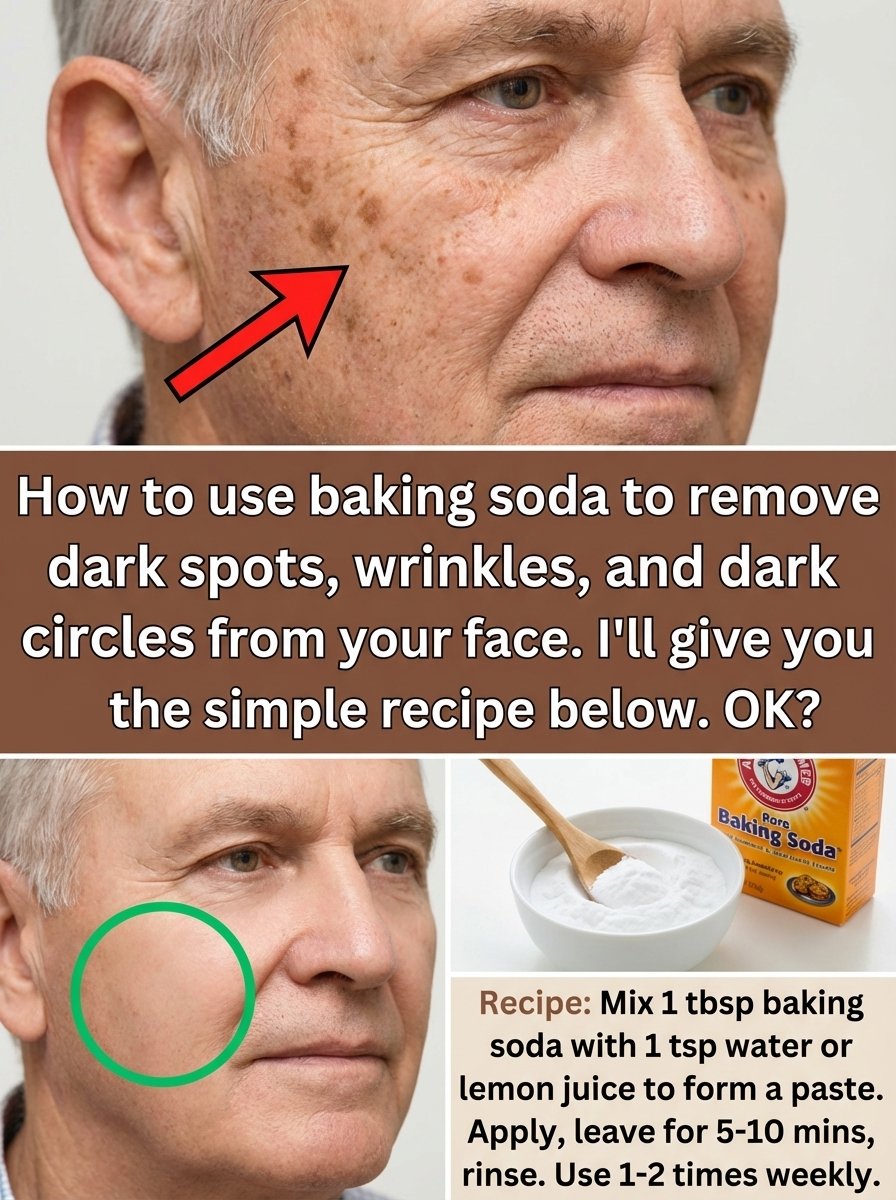
- Mix with water – Blend 1–2 teaspoons of baking soda with only enough water to achieve a smooth, consistent paste. Crucially, refrain from mixing it with highly acidic ingredients such as lemon juice or vinegar, unless explicitly advised by a qualified dermatologist.
- Apply gently – Delicately massage the paste onto your skin using soft, circular motions, ensuring the application lasts no more than 5–10 minutes. Immediately after, rinse your face completely with lukewarm water until no residue remains.
- Moisturize immediately – Promptly follow your rinse with a soothing, fragrance-free moisturizer. This critical step helps to replenish lost hydration and calm any potential skin reactivity.
- Avoid eyes and irritated areas – Under no circumstances should you apply baking soda near your eyes, onto broken or compromised skin, or directly over areas experiencing active inflammation.
These meticulous steps are not merely suggestions; they represent the absolute critical difference between conducting a potentially safe, cautious experiment and ending up with a significantly irritated and compromised complexion.
Better Alternatives to Baking Soda for Face Care
Given that the potential risks frequently eclipse any fleeting rewards, the vast majority of skin experts strongly advocate for embracing gentler, meticulously pH-balanced alternatives. These superior options offer comparable benefits, but crucially, without the potential for skin drama and adverse reactions:
- Gentle exfoliating cleansers expertly formulated with alpha hydroxy acids like lactic or glycolic acid
- Targeted salicylic acid products specifically engineered for the unique needs of acne-prone skin
- High-quality commercial face scrubs developed with sensitive or normal skin types in mind
These expertly formulated alternatives honor your skin’s delicate natural pH balance, all while effectively delivering both exfoliation and superior oil control. Furthermore, a great many are rigorously dermatologist-tested and significantly less prone to provoking the rebound irritation that baking soda is notorious for triggering.
Conclusion
While baking soda undeniably offers mild exfoliation and some oil absorption at a remarkably low cost, its inherently high alkaline pH and abrasive texture position it as a precarious choice for consistent facial application. Once you grasp the intricate workings of your skin’s vital natural barrier, the strong warnings from dermatologists regarding this common pantry staple become undeniably clear.
So, what’s the most intelligent strategy? Employ it exceedingly sparingly – if you choose to use it at all – and always pay close attention to your skin’s immediate and ongoing reactions. For achieving consistent, sustainable, and truly beneficial long-term results, investing in products specifically formulated and optimized for delicate facial skin will invariably yield superior outcomes with substantially reduced risk.
FAQ
Can I use baking soda on my face every day?
Absolutely not. Daily application will almost certainly severely disrupt your skin’s crucial pH balance, leading directly to uncomfortable dryness and persistent irritation. If you choose to use it, limit yourself to a maximum of once or twice a week, and only if your skin clearly demonstrates good tolerance.
Is baking soda good for acne-prone skin?
While it might provide a very temporary sense of oil control, dermatologists overwhelmingly advise against its use for acne-prone skin. Its highly alkaline pH can severely compromise the skin barrier, potentially exacerbating breakouts or increasing inflammation in the long run, rather than improving them.
What should I do if baking soda irritates my skin?
Discontinue use immediately. Rinse your face thoroughly with cool water to remove all traces, then apply a gentle, soothing, fragrance-free moisturizer. If any redness, burning, or discomfort persists, it is crucial to consult a dermatologist for professional, personalized guidance.
Please note: This article is intended solely for informational purposes and should never be considered a substitute for professional medical advice. Before incorporating any new skincare ingredients into your routine, especially if you possess sensitive skin, have pre-existing skin conditions, or are uncertain about your skin’s potential reaction, always consult with a qualified dermatologist or healthcare provider.