 By nguyentiendung24101994
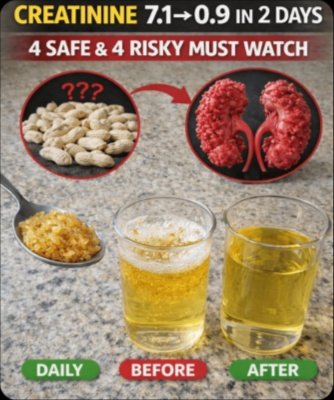
 Imagine seeing your creatinine plummet from a worrying 7.1 to a healthy 0.9 in just two days. Online stories like these can ignite a desperate hope, making you wonder if you’re missing a secret shortcut to kidney recovery. While no single food acts as an overnight magic bullet, the truth is that certain fats *can* play a crucial role in supporting your heart and kidney health long-term, when integrated wisely into a medically guided plan. But here’s the critical question: which fats are truly your allies, silently working to protect your kidneys, and which ones could be secretly sabotaging your efforts? Stay with us as we uncover the surprising facts, present a clear comparison, share real-life experiences, and provide actionable steps you can implement today.
The Shocking Truth: Why That “Miracle” Creatinine Drop is Often Too Good to Be True
Creatinine, a natural byproduct of muscle metabolism, is typically filtered out of your blood with remarkable efficiency by healthy kidneys. However, when levels surge to an alarming 7.1 mg/dL, it’s a red flag, frequently pointing to significant kidney stress, whether from severe dehydration, an acute injury, or an underlying chronic condition. The idea of these levels plummeting back to a perfect 0.9 mg/dL in a mere 48 hours is the kind of dramatic turnaround everyone dreams of. But the reality, unfortunately, is almost always far more complex and gradual.
Let’s clarify what really unfolds within your system. Typical creatinine levels generally fall between 0.6–1.3 mg/dL for men and 0.5–1.1 mg/dL for women, with slight variations based on individual factors like age, muscle mass, and specific lab guidelines. A reading as high as 7.1 mg/dL usually indicates either an acute kidney injury (AKI) or advanced chronic kidney disease (CKD). While it’s true that in very specific situations, such as severe dehydration causing a reversible prerenal issue, intensive hydration and medical treatment can bring down levels significantly within a day or two, a staggering 6-point reduction that rapidly is extraordinarily rare and virtually always necessitates expert medical intervention, not just dietary adjustments.
But here’s genuinely good news: you don’t need to chase viral “miracles” to regain a sense of control over your kidney health. The true power lies in consistent, evidence-backed habits. Leading organizations like the National Kidney Foundation consistently highlight that improvements in creatinine levels are typically seen gradually, unfolding over weeks or months through dedicated, ongoing management. Those sensational, instantaneous claims you see online are often rooted in isolated anecdotes, temporary lab fluctuations, or the resolution of an acute, reversible issue, rather than the impact of a single food or dietary tweak.
However, there’s a crucial piece of the puzzle that often gets overlooked: even though fats won’t magically reverse kidney damage overnight, specific types of fats can profoundly support the vital connection between your heart and kidneys—a relationship that is paramount for sustained, long-term health and well-being.
Your Kidney’s Best Friends: Healthy Fats That Offer Real Support
Let’s debunk a common myth: fats are not inherently bad. In fact, they are essential, providing vital energy, aiding nutrient absorption, and playing a critical role in taming inflammation throughout the body. For individuals mindful of their kidney function, the strategic choice of unsaturated fats becomes paramount. These fats actively work to lighten the cardiovascular burden, a crucial consideration given that chronic kidney conditions significantly elevate the risk of heart disease. The National Kidney Foundation consistently advocates for incorporating these intelligent fat choices, as they seamlessly integrate into a kidney-protective dietary approach.
When consumed thoughtfully and in appropriate portions, here are four exceptionally supportive options:
- Olive Oil: A true Mediterranean staple, olive oil is brimming with monounsaturated fats and powerful antioxidants such as oleic acid. It’s renowned for its ability to reduce inflammation and bolster heart health, all without posing concerns about high potassium or phosphorus. Feel free to generously drizzle it over salads, use it for gentle sautéing, or blend into homemade dressings – it’s incredibly versatile and exceptionally kind to your kidneys.
- Canola Oil: This oil provides a harmonious blend of monounsaturated and polyunsaturated fats, with an impressively low saturated fat content. Its mild, neutral flavor makes it an excellent choice for a wide array of cooking applications, from baking to higher-heat sautéing, and it’s frequently endorsed by experts for kidney-conscious meal preparation.
- Fatty Fish (e.g., Salmon): An undisputed champion of health, fatty fish like salmon is a rich source of omega-3 fatty acids. These essential fats are powerful inflammation fighters and crucial for maintaining robust blood vessel health. When choosing, opt for fresh or low-sodium canned options, and always be mindful of portion sizes to effectively manage protein and phosphorus intake.
- Avocado: This creamy fruit isn’t just delicious; it’s packed with beneficial monounsaturated fats, along with essential fiber and a spectrum of nutrients. Although avocados do contain a higher amount of potassium, many individuals in the earlier stages of kidney concerns can comfortably enjoy small, controlled portions—a quarter or half an avocado can make a wonderfully satisfying and nutritious addition to your meals.
Strategically incorporating these fat choices directly supports comprehensive heart-kidney protection plans. Extensive research consistently demonstrates that consciously substituting saturated fats with these healthier, unsaturated alternatives can significantly contribute to lowering harmful cholesterol buildup and alleviating overall physiological stress on your body’s vital systems.
Kidney Killers? Four Fats (and Sources) You Need to Approach with EXTREME Caution
It’s a common misconception that all fats touted as “healthy” are universally beneficial, especially when kidney function is already compromised. The reality is that certain fats can contain elevated concentrations of minerals like potassium or phosphorus, which impaired kidneys find exceptionally challenging to process and eliminate. Furthermore, some fats are loaded with saturated compounds that can directly contribute to increased strain on your cardiovascular system, indirectly impacting kidney health.
Be particularly vigilant and pay close attention to these four types of fats and their sources:
- Peanuts and Peanut Oil: Despite their delicious taste and widespread popularity, peanuts are frequently rich in both phosphorus and potassium. For individuals managing advanced kidney disease or undergoing dialysis, peanuts often appear on dietary restriction lists due to the significant risk of mineral accumulation, which can pose serious health concerns.
- Walnuts: While walnuts are celebrated for their beneficial omega-3 fatty acids, they also contain substantial levels of phosphorus and potassium. Small, carefully controlled portions might be acceptable once your laboratory values are stable, but individual tolerance varies greatly. It is absolutely crucial to always consult with your healthcare team before incorporating them.
- Coconut Oil or Palm Oil: These tropical oils are notorious for their high saturated fat content, which can dramatically elevate LDL (“bad”) cholesterol levels. This, in turn, places considerable additional stress on both your heart and your kidneys. Most reputable health guidelines strongly advise using these oils very sparingly, or, ideally, avoiding them altogether.
- Processed and Fried Fats (including Trans Fats): Ubiquitous in countless packaged snacks, convenience foods, and fast-food items, these fats are a triple threat. They actively promote systemic inflammation, are typically loaded with excessive sodium, and frequently contain hidden phosphorus. All these factors combine to impose an immense and utterly unnecessary burden on already struggling kidneys.
So, what’s the crucial lesson here? Even fats that are often perceived as “natural” or “healthy” demand meticulous portion control and awareness, particularly when kidney function is a concern. For instance, nuts such as macadamias or pecans might present a more favorable mineral profile compared to walnuts or peanuts, but consistent laboratory monitoring by your medical team remains absolutely indispensable.
Beyond the Hype: Real-Life Progress in Kidney Health Management
Consider Sarah, a 62-year-old who faced the frustration of persistently elevated creatinine levels, primarily linked to her hypertension. Rather than seeking quick fixes, she made a deliberate shift, adopting olive oil for her cooking and incorporating modest, controlled portions of avocado into her diet. This strategic dietary adjustment, alongside her prescribed medications and improved hydration habits, led to a significant improvement in her cholesterol profile and a gradual, yet consistent, downward trend in her creatinine levels over several months. Her experience wasn’t an overnight sensation, but a testament to the power of steady, sustained progress.
Then there’s Mike, a 70-year-old in the early stages of kidney concerns, who cautiously introduced walnuts into his diet, but only after receiving explicit approval from his nephrologist. He noticed an improvement in his energy levels and a general sense of well-being, though his doctor maintained vigilant monitoring of his mineral balances. Once more, the positive outcomes stemmed from diligent, consistent lifestyle choices, not from any dramatic, rapid transformation over a mere two days.
These authentic narratives vividly illustrate a universal truth experienced by countless individuals: when chosen wisely, specific fats can truly become invaluable allies within a comprehensive health strategy. They effectively support sustained energy levels and bolster cardiovascular health, all without resorting to misleading or unrealistic promises.
The Ultimate Cheat Sheet: Fats for Kidney Health (Side-by-Side)
| Fat Source | Type of Fat | Key Benefits | Potential Risks in Kidney Concerns | Portion Guidance |
|---|---|---|---|---|
| Olive Oil | Monounsaturated | Anti-inflammatory, heart support | Minimal if no added salt | Liberal use for cooking/dressings |
| Canola Oil | Mono/Polyunsaturated | Neutral, versatile | Low concerns | Good for high-heat cooking |
| Fatty Fish (salmon) | Omega-3 polyunsaturated | Reduces inflammation | Phosphorus/protein in large amounts | 3-4 oz portions, 2x/week |
| Avocado | Monounsaturated | Nutrient-dense | Higher potassium | Small (¼–½) if restricted |
| Peanuts/Walnuts | Polyunsaturated | Omega-3s in walnuts | High phosphorus/potassium | Limit or avoid if advanced |
| Coconut Oil | Saturated | Quick energy | Raises LDL, heart strain | Minimal or avoid |
This clear comparison vividly illustrates why plant-based unsaturated oils consistently emerge as superior choices for kidney health. They generally provide a wider margin of safety and present significantly fewer concerns regarding mineral content.
Your Kidney Health Action Plan: Simple Steps to Start NOW
- Make an immediate, impactful change: substitute your regular cooking fat with olive or canola oil for at least one meal today. Both your heart and kidneys will gratefully acknowledge this healthier choice.
- Elevate your next salad or snack by incorporating a small, appropriate handful of kidney-friendly nuts or a few slices of avocado. Pay close attention to how your body responds and feels over the course of the week.
- Become a label detective: diligently scrutinize packaged food labels and actively avoid products containing hidden trans fats and excessively high sodium levels, which can silently harm your kidneys.
- Ensure your chosen fats are complemented by ample hydration—drink plenty of water—and well-balanced, low-sodium meals. This holistic approach helps your body efficiently process nutrients and waste.
- Before implementing any substantial dietary changes, especially if your lab results are still a concern, proactively schedule a brief consultation with your trusted healthcare provider or a registered dietitian specializing in renal health.
Remember, it’s the aggregation of these small, consistent, and intentional actions that invariably leads to profound and noticeable improvements in your health over the long run.
The Bottom Line: Smart Fat Choices for Lasting Kidney Support
That captivating viral narrative of creatinine levels plummeting from 7.1 to 0.9 in just 48 hours is undeniably compelling, offering a beacon of hope when the fear of kidney disease feels all-consuming. However, scientific evidence unequivocally demonstrates that genuine, sustainable kidney support is forged through consistent, well-informed dietary decisions, not through the elusive promise of miracle foods. By embracing heart-healthy unsaturated fats such as olive oil and canola, while exercising prudence and caution with higher-mineral alternatives, you are providing your body with intelligent, enduring, and truly supportive care.
Frequently Asked Questions
Can adjusting the fats in my diet truly cause a rapid drop in creatinine levels?
It’s important to understand that no single food or specific type of fat can trigger a dramatic, overnight reduction in creatinine. While healthy fats are integral to overall well-being and can contribute to gradual improvements as part of a comprehensive health strategy, any sudden, significant change in creatinine levels typically warrants immediate medical evaluation.
Are all nuts detrimental to kidney health?
Not necessarily. Certain nuts, such as walnuts, are celebrated for their beneficial omega-3 content. However, many nuts also contain higher levels of phosphorus and potassium. The critical factors are portion control and your most recent laboratory results. Always consult with a renal dietitian to receive tailored advice specific to your condition.
Which cooking oil is most recommended for individuals with kidney concerns?
Olive oil and canola oil consistently rank at the top of expert recommendations. This is primarily because they are notably low in saturated fat and problematic minerals, while simultaneously delivering significant anti-inflammatory advantages. They are highly versatile, excellent for heart health, and generally very well-tolerated by those managing kidney conditions.
Disclaimer: This article is provided strictly for informational purposes and should never be considered a substitute for professional medical advice. It is imperative to always consult a qualified healthcare provider for personalized guidance concerning your kidney health and laboratory results.